Brain health improved by Vitamin D - review of 90 studies
Vitamin D and brain health: A systematic review
Clinical Nutrition Open Science. Volume 67, June 2026, 100646 https://doi.org/10.1016/j.nutos.2026.100646
Table of Contents
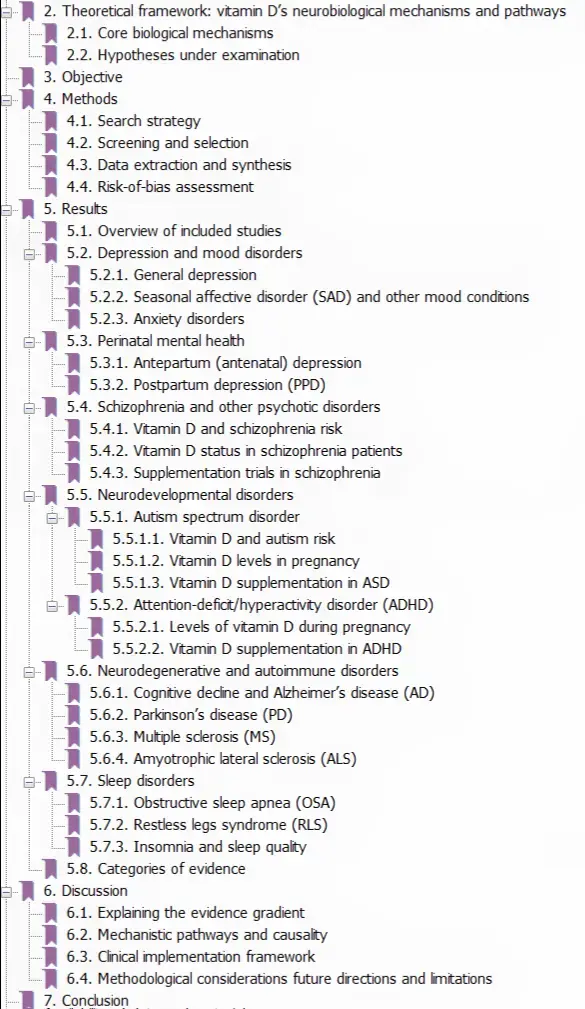
Vitamin D, once considered solely important for bone health, is increasingly considered a key neuro-steroid involved in brain development and function. This PRISMA-registered systematic review synthesizes evidence on the association between vitamin D status and neuropsychiatric and neurological disorders and evaluates the effects of vitamin D supplementation on brain-related outcomes.
It integrates findings from 90 studies including meta-analyses, clinical trials, and observational studies, about the associations between vitamin D status and the range of neuropsychiatric and neurological disorders.
From depression, schizophrenia, and autism spectrum disorders to neurodegenerative disorders such as Alzheimer’s and Parkinson’s, most studies show that low vitamin D is associated with increased risk, increased severity of symptoms, or worse outcomes. Supplementation, particularly for those who are deficient, usually provides improvements resulting in moderate but meaningful improvement in mental health symptoms, neurodevelopmental outcomes, and cognitive function. It is notable and probably most beneficial in individuals with baseline deficiency, and emerging evidence suggests genetic and microbiome factors may impact its benefits. This review emphasizes that vitamin D is a modifiable, low-cost, risk factor for mental and neurological health. This is especially pertinent in vulnerable populations (pregnant individuals; children; aging; psychiatric diagnoses). Vitamin D supplementation cannot be recommended as a primary treatment for neuropsychiatric or neurological disorders, but assessment and correction of deficiency may be considered as part of comprehensive care in selected high-risk populations. The review protocol was registered in PROSPERO (CRD420261282220).
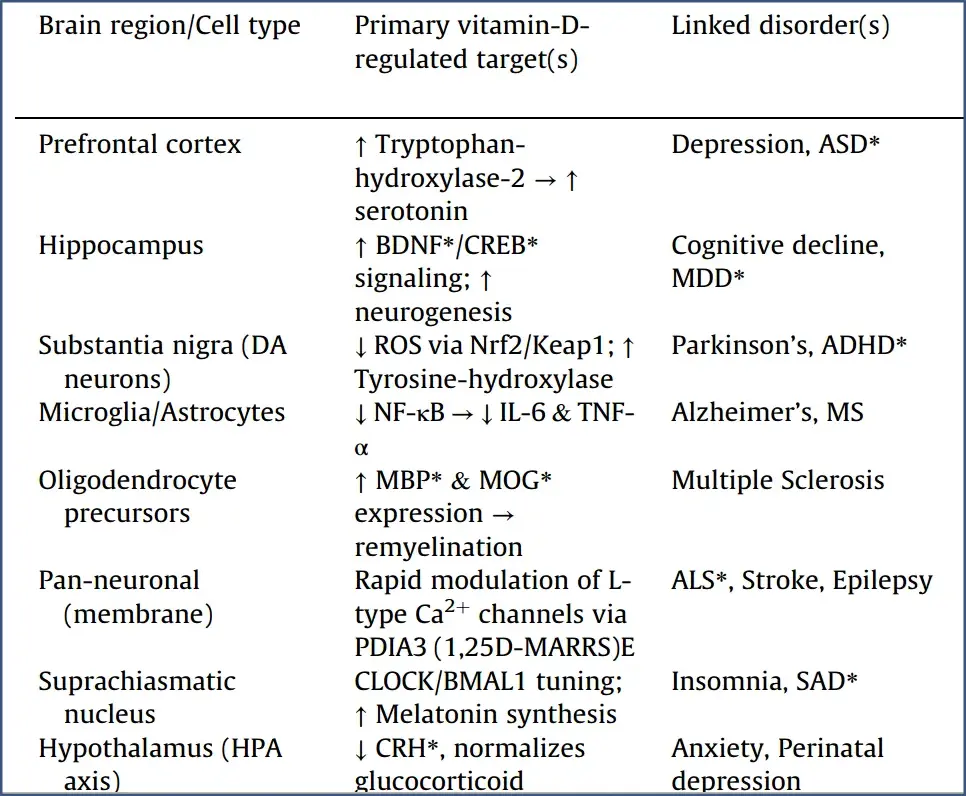
Abbreviations: ASD: Autism Spectrum Disorder; BDNF: Brain-Derived Neurotrophic Factor; CREB: cAMP Response Element Binding Protein; MDD: Major Depressive Disorder; DA: dopaminergic; MBP: Myelin Basic Protein; MOG: Myelin Oligodendrocyte Glycoprotein; CRH: Corticotropin-Releasing Hormone; ALS: Amyotrophic Lateral Sclerosis; SAD: Seasonal Affective Disorder; MS: Multiple Sclerosis.
Related in VitaminDWiki
- Brain and Vitamin D - many studies
- Brain and Vitamin D - Massive Review - 2026
- Variety of evidence that Vitamin D helps the brain
- Novel ways to get Vitamin D into the brain (topical, inhale, etc.)
- Perhaps drugs such as inhaled vitamin D can get directly to the brain
- Global burden of brain disorders surpasses cardiovascular disease and cancer
- Smaller brains associated with low vitamin D (again)
- Traumatic Brain Injury recovered faster if high vitamin D (review of 58 studies)
- Every Parkinson’s brain had a gene modification that limited how much vitamin D was available (CYP27B1)
- Alzheimer's proven to be prevented and treated - RCT 2026
- Overview Alzheimer's-Cognition and Vitamin D
- Brain cancer in 175 countries related to low UVB and low vitamin D
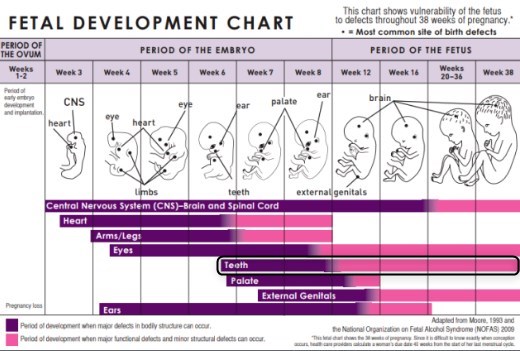
Some Brain Problems due to low vitamin D in 1st trimester of pregnancy
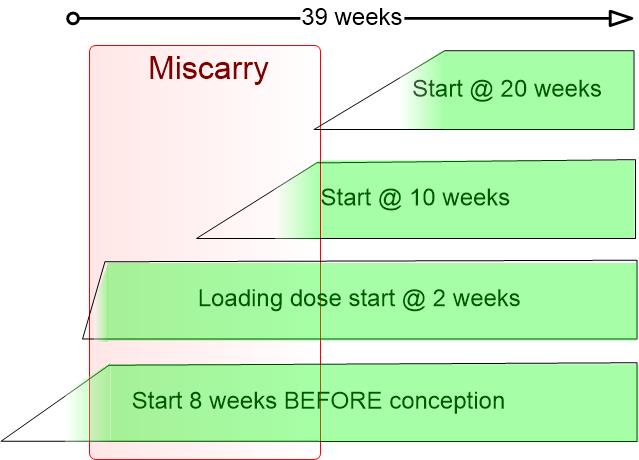
- Brain development typically starts months before Vitamin D supplemtation
shows body parts that are formed before the 20th week of pregnancy