Diabetes risk is reduced when Vitamin D > 40 ng/mL (PDF behind paywall)
Serum 25(OH)D and diabetes risk in adults with prediabetes: evidence, potential mechanisms, and implications
J Clin Endocrinol Metab. 2026 Nov 12:dgag460. doi: 10.1210/clinem/dgag460
Bess Dawson-Hughes 1, Erin LeBlanc 2, Anastassios G Pittas 3
Bess Dawson-Hughes has published >300 Vitamin D studies
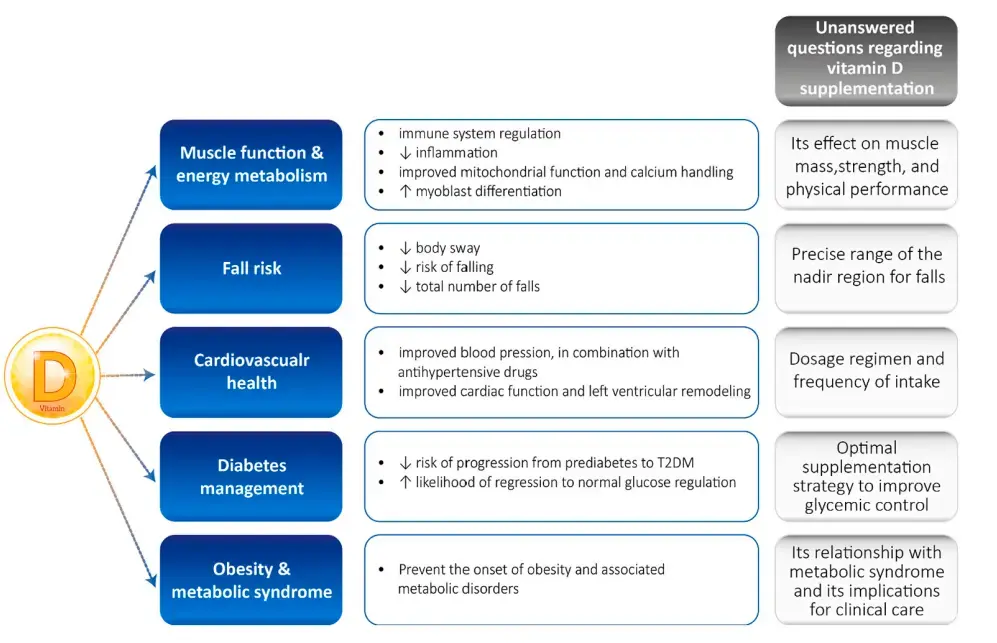
Correcting vitamin D deficiency to reach 25-hydroxyvitamin D levels in the replete range (≥ 20 ng/mL, as defined by the National Academy of Medicine) improves insulin secretion and sensitivity. Emerging evidence indicates that vitamin D may have a more extensive role in reducing risk of type 2 diabetes in selected adults with prediabetes. Specifically, vitamin D supplementation at doses sufficient to achieve 25-hydroxyvitamin D levels ≥ 40 ng/ml appears to confer additional benefit in reducing diabetes risk in subsets of the population with prediabetes. Herein we review evidence that achieving relatively high 25-hydroxyvitamin D levels may lower risk of progression to type 2 diabetes in selected vitamin D-replete adults with prediabetes. We consider potential mechanisms by which this may occur. We also discuss the potential benefits and risks of high-dose vitamin D supplementation across subgroups defined by genetic profile, age, and the presence of additional comorbidities. These findings indicate a potential role for a precision nutrition approach with high-dose vitamin D supplementation to lower risk of type 2 diabetes in adults with prediabetes.
Related in VitaminDWiki
- Prediabetes 1.5 X more likely to go away if take Vitamin D – meta-analysis
- Prediabetes treated by Vitamin D (34 ng, 3500 IU per day) – meta-analysis
- 4X reduction in prediabetes progressing to T2D if more than 50 ng of vitamin D – RCT
- Prediabetes reduced in half by those getting Magnesium Chloride – RCT
- Prediabetes reduced by weekly 60,000 IU of Vitamin D – RCT
- Zinc cut in half the rate of prediabetes progressing to diabetes (20 mg) – RCT
- Take Vitamin D to prevent prediabetes from progressing into diabetes – American Diabetes Association – 2024
- Prediabetes in US youths increased 2X in 2 decades
40 ng
- 80+ health problems substantially reduced when Vitamin D is above 40 ng
- Many Chronic Health Diseases and Infections care controlled by 40 ng of Vitamin D – Sunil
- T1 Diabetes 3X lower risk if high vitamin D (over 40 ng) – Meta-analysis
- Falls reduced by a third if achieved 40 ng level vitamin D– RCT
- Preterm births reduced in half if 40 ng of vitamin D in 3rd trimester
- 40 ng response to 4,000 IU daily Vitamin D for 2 months (and 60 ng for 8,000 IU)
- Pregnancies with more than 40 ng of vitamin D are great (Sweden, 2,000 pregnancies)
- Increasing the vitamin D level of all Canadians to 40 ng would save 6 to 18 billion dollars a year – Grant
- Hypertension risk decreased 10X by increasing vitamin D levels to more than 40 ng
- Pregnant women need at least 40 ng of Vitamin D (Wagner, genes)
- Optimum Vitamin D for bones might be 40 ng
50 ng
- COVID-19 mortality extrapolates to zero at 50 ng of vitamin D – 18th Meta-analysis
- Sports benefits from up to 50 ng of Vitamin – meta-analysis
- Psoriasis reduced for those getting Vitamin D levels above 50 ng – RCT
- Is 50 ng of vitamin D too high, just right, or not enough
- 40-50 ng level of Vitamin D often recommended
- Many diseases prevented if Vitamin D level higher than 50 ng -Sunil
- Type 1 Diabetic inflammation reduced by 50 ng of Vitamin D
- In vitro Fertilization not helped if Vitamin D is slightly above 30 ng (need 50 ng)
- T-cells need at least 40-50 ng of Vitamin D to fight COVID-19
- Vitamin D is needed for human fertility – goal is 50 ng
- 50 ng of Vitamin D - 100 hours of noon sunbathing OR 3 dollars of Vit D
- 50 ng level of Vitamin D proven to fight many diseases - Whittle
- Prevent half of T1 Diabetes with vitamin D levels of 50 ng
- Suggested dosing to get 50 ng of Vitamin D (if healthy)
Bess Dawson-Hughes has published >300 Vitamin D studies
- Vitamin D Receptor Polymorphisms and the Effect of Vitamin D Supplementation on Diabetes Risk Among Adults With Prediabetes - April 2026 PDF
- Consensus statement on vitamin D role in metabolic health - March 2026 PDF
"Overall, vitamin D supplementation should aim to maintain serum 25(OH)D concentrations within the range of 20–40 (up to 60) ng/mL, tailoring the dose to baseline status, comorbidities, and body weight as detailed in the previous Consensus"