
Children's autoimmune diseases (T1D, thyroid, celiac, JIA) linked to low vitamin D and cofactors - review
Endocrine–Immune Crosstalk in Pediatric Autoimmune Diseases: A Systematic Review of the Role of Micronutrients, with Emphasis on Vitamin D
Nutrients (MDPI), 24 September 2026, https://doi.org/10.3390/nu18193148
Atapattu Navoda, Sunil J. Wimalawansa
Summary by Claude Opus 5.5 - September 2026
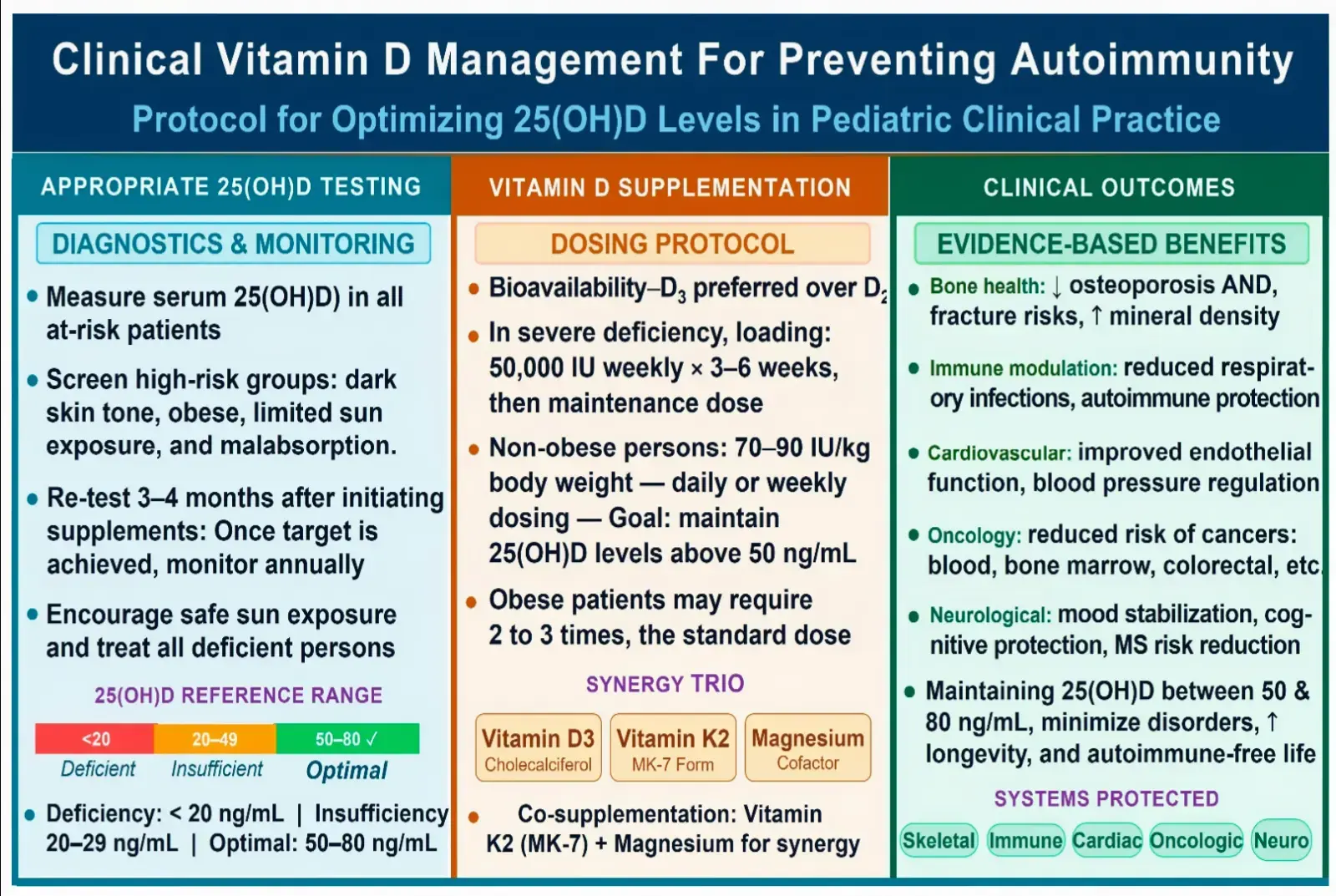
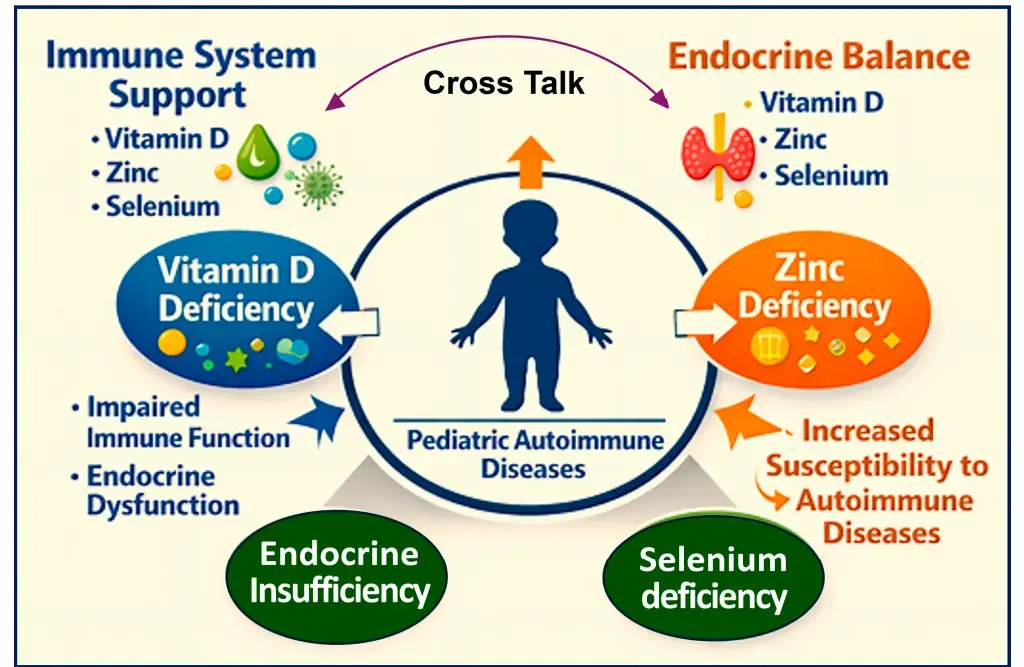
Takeaway: This review argues that low vitamin D, often alongside low magnesium, zinc, selenium and omega-3, weakens immune tolerance in children and raises the risk of autoimmune diseases such as type 1 diabetes, Hashimoto's and Graves' thyroid disease, celiac disease, juvenile idiopathic arthritis and Addison's disease. The authors recommend keeping blood 25(OH)D above 40 ng/mL, and preferably 50–80 ng/mL.
Study type: A review of 404 publications (1990–May 2026) by a Sri Lankan pediatric endocrinologist and Sunil Wimalawansa. It is labeled a systematic review, but the results are a narrative synthesis with no pooled numbers.
Dosing proposed (daily vitamin D3, by body weight):
- Non-obese (BMI <29): 70–90 IU/kg. For example, a 30 kg child would take about 2,100–2,700 IU/day.
- Moderately obese (BMI 30–39): 100–130 IU/kg.
- Morbidly obese (BMI 40+): 140–180 IU/kg.
For severe deficiency, the authors' clinical figure suggests a loading dose of 50,000 IU weekly for 3–6 weeks, then maintenance. It pairs D3 with vitamin K2 (MK-7) and magnesium. The authors say toxicity appears only above about 150 ng/mL, and they call the 400–600 IU/day pediatric guidelines far too low.
The authors blame conflicting trial results on poor design: trials that "recruit vitamin D-sufficient subjects," use too-low doses, or never measure the achieved 25(OH)D.
What this does NOT show / limitations:
- No new data. Most of the evidence is observational or mechanistic, which shows association, not that vitamin D prevents these diseases in children.
- It reports no pediatric RCT that achieved 50–80 ng/mL and measured autoimmune outcomes.
- The weight-based doses are the senior author's own formulas, not trial-tested in children.
- The parallel rise in vitamin D deficiency and childhood autoimmunity is a population-level trend, not proof of cause.
- Cofactor benefits (zinc, selenium, omega-3) are supported mainly by mechanism.
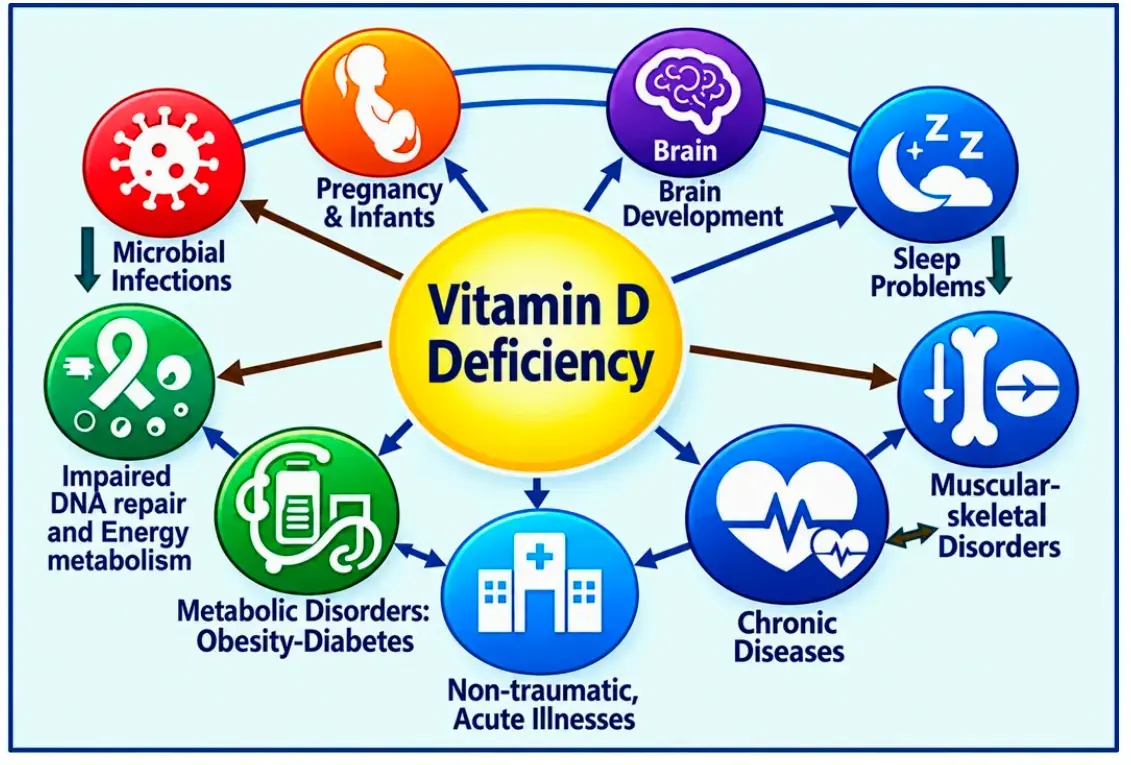
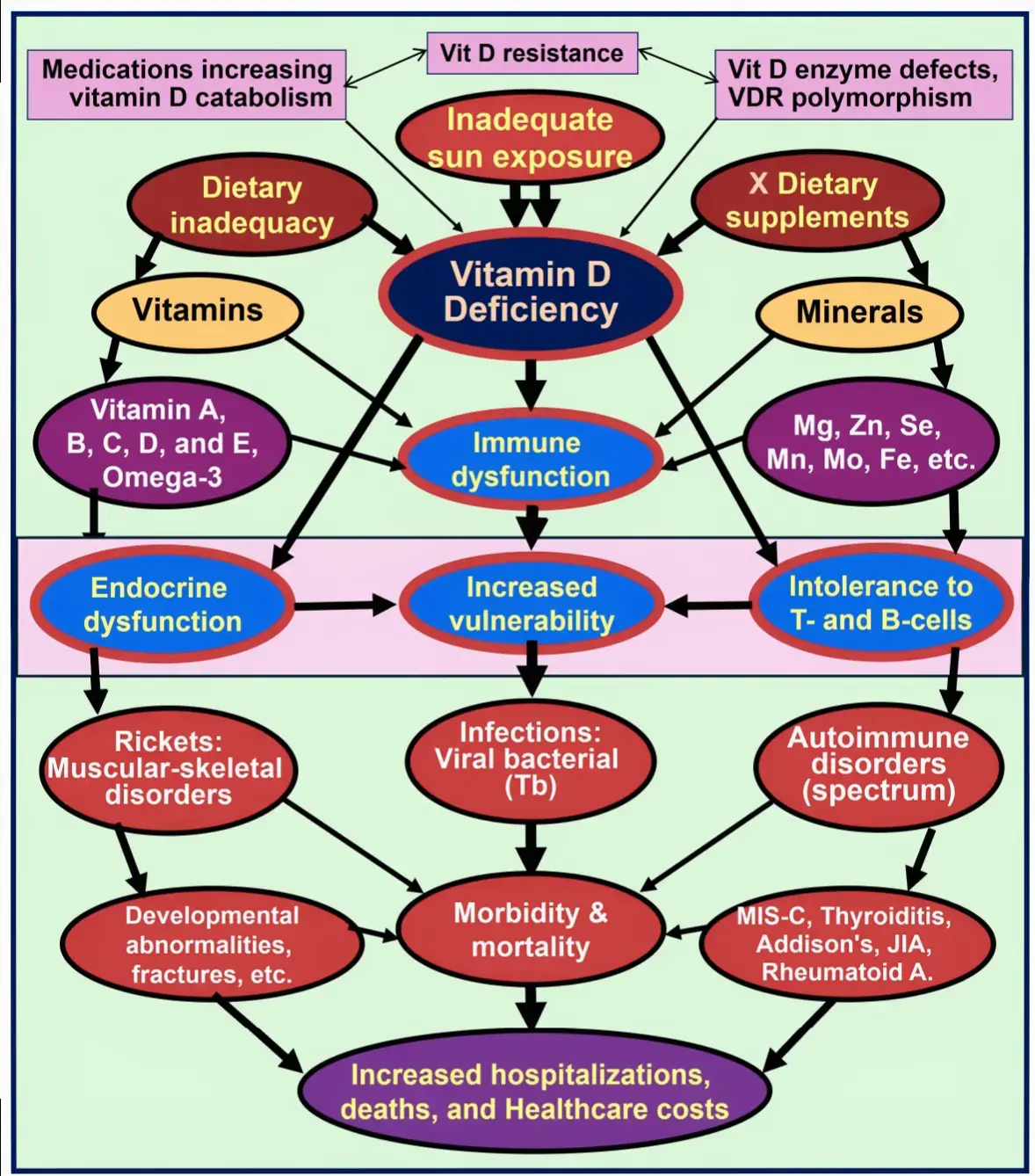
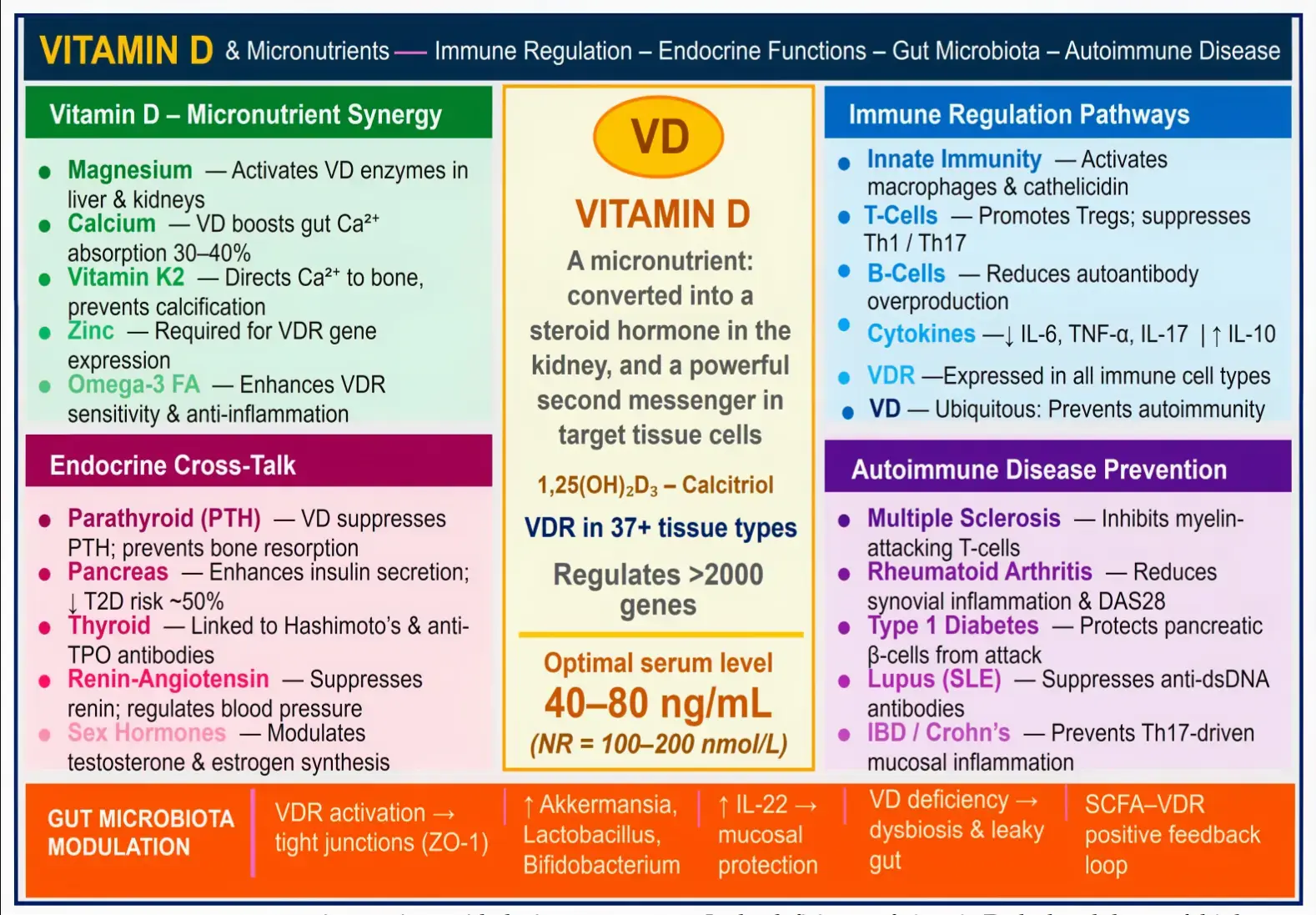
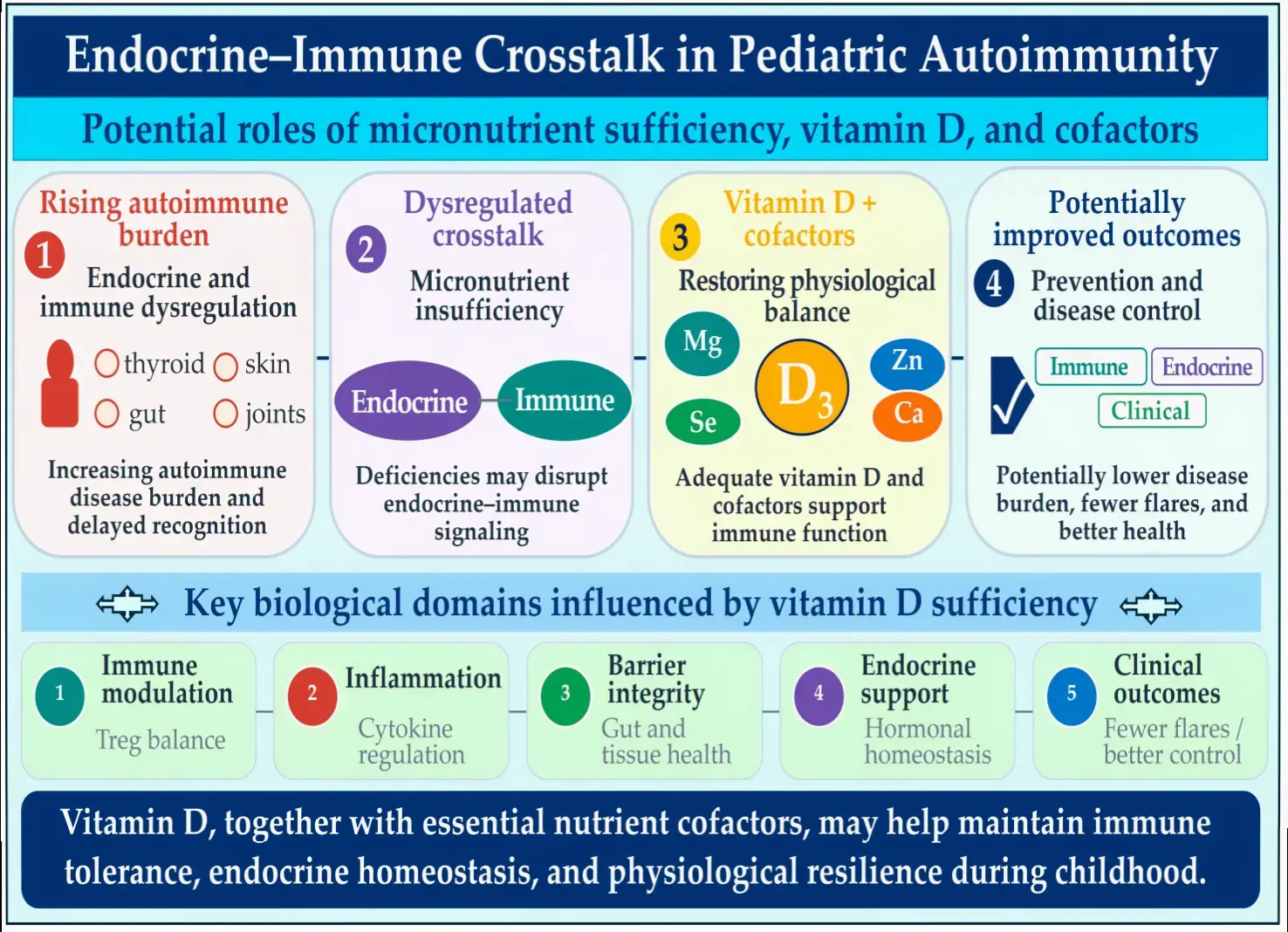
Some of the charts
Related in VitaminDWiki
Autoimmune
- Number 1 Vitamin Deficiency in ALL Autoimmune Conditions - video
- Video by Dr. Coimbra – 95 % of autoimmune diseases cured with Vitamin D in high doses
- Autoimmune
Autoimmune Pediatric
- Kawasaki Disease and Vitamin D - several studies
- Hay fever (Allergic Rhinitis) and Vitamin D - many studies
- Severe allergy (Anaphylaxis) is increasing and is associated with low vitamin D
- 1000 IU per kg Vitamin D for autoimmune diseases – Coimbra
- Celiac Disease 2.2X higher risk if low vitamin D, Gluten Free Diet slightly increases D – meta-analysis
- Juvenile Rheumatoid Arthritis 8 X more likely if poor Vitamin D receptor
- T1 Diabetes associated with many other autoimmune diseases (all related to low vitamin D)
- Juvenile Idiopathic Arthritis is strongly associated with low vitamin D – many studies
- Respiratory infection, children and Vitamin D - many studies