Glyphosate and Vitamin D - many studies
Overviews
Glyphosate [glahy-fos-eyt] is associated with many health problems
Glyphosate reduces Vitamin D by both reducing CYP27A1 gene + many minerals needed by Vit. D
- VitaminDWiki suspects that Glyphosate is responsible for 10-20% of the decreased Vitamin D getting to cells
Glyphosate is the only acknowledged active component of Roundup
- However, Roundup is actually 125X more deadly to human cells than Glyphosate
Many countries now ban Glyphosate
European Union as of Oct 25, 2017. China
Glyphosate (Roundup) increases risk of NH lymphoma by 41 percent – meta-analysis July 2019
It is still not banned in the US as of Feb 2026
A crop can be called organic even if Roundup was only used to dry it (Wikipedia)
- wheat, oats, beans, lentil, sunflower, soy, rapeseed oil, etc
- You can compensate for Glyphosate by increasing your intake of
- Vitamin D, Magnesium, Boron, and Omega-3
Glyphosate causing 50% increase of liver problems - April 2025
Report: Common weedkiller glyphosate may be linked to liver disease epidemic, study warns
Study:Are glyphosate or glyphosate-based herbicides linked to metabolic dysfunction-associated steatotic liver disease (MASLD)? The weight of current evidence Partial PDF is online
"Metabolic dysfunction-associated steatotic liver disease (MASLD) affects around 30 % of the world’s population, increasing its prevalence by 50 % in the last three decades"
Human urinary GLY levels are associated with different MASLD outcomes (steatosis risk, advanced fibrosis, increased transaminases) and comorbidities (higher risk for metabolic syndrome, diabetes, obesity and cardiovascular diseases) (6 studies).
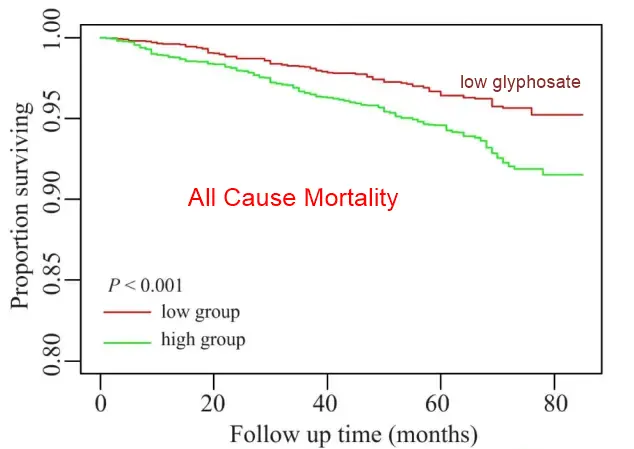
Glyphosate increased all-cause mortality by 40 % (less Vitamin D to cells) – March 2025
See also VitaminDWiki
- Glyphosate reduces Vitamin D in 9 ways
- Huge increases in health problems – risk factors include Vitamin D, Antibiotics, and Roundup has the following graphic

Glysophate in a dozen of gluten-free foods - Aug 2024
Glysophate increased risk of severe depression by 4X - Nov 2023

Review Adds to Evidence That Glyphosate Weedkillers Cause Cancer - Aug 2023
| Evidence | Key characteristics of cancer-causing chemicals |
| Limited | Electrophilic (an affinity towards electrons) or metabolic activation (KC1). |
| Strong | Genotoxicity (KC2). |
| Limited | Alterations in DNA repair, causing genome instability (KC3). |
| Strong | Inducing epigenetic changes (KC4). |
| Strong | Inducing oxidative stress (KC5). |
| Strong | Inducing chronic inflammation (KC6). |
| Inadeguate | Immunosuppression (KC7). |
| Strong | Reducing receptor-mediated effects/endocrine disruption (KC8). |
| Inadequate | Immortalizing cancer cells (KC9). |
| Inadequate | Alterations in cell proliferation, death or nutrient supply (KC10) |
Glyphosate affects human bacteria, but probably not human cells - Mercola May 2023
Even Low Levels of Glyphosate Alter Your Gut Microbiota - Mercola includes 2 videos with references
- "Since mammals do not have the shikimate pathway , it was suggested that glyphosate would not affect human health. However, some microorganisms do have the shikimate pathway, and it’s via this link that many of glyphosate’s adverse effects in humans may occur. According to the study"
New Research Links Glyphosate to DNA Damage, Cancer and Oxidative Stress - Jan 2023
"New research by top U.S. government scientists found that people exposed to the widely used weed-killing chemical glyphosate, a key ingredient in Monsanto’s Roundup weedkiller, have biomarkers in their urine linked to the development of cancer and other diseases."
"The CDC reported that out of 2,310 urine samples taken from a group of Americans intended to be representative of the U.S. population, 1,885 were laced with detectable traces of glyphosate."
"The EPA now is revisiting its glyphosate evaluation and expects to issue a decision for glyphosate in 2026."
- Still being used in the US
US court bans Dicamba (again) - Feb 2024
US court bans three weedkillers and finds EPA broke law in approval process
"This is the second time a federal court has banned these weedkillers since they were introduced for the 2017 growing season. In 2020, the ninth circuit court of appeals issued its own ban, but months later the Trump administration reapproved the weedkilling products, just one week before the presidential election at a press conference in the swing state of Georgia."
"Bury wrote that the EPA did not allow many people who are deeply affected by the weedkiller – including specialty farmers, conservation groups and more – to comment."
"Syngenta is also facing nationwide litigation over its paraquat herbicide, which thousands of plaintiffs claim causes Parkinson’s disease.""
Monsanto’s New Weed Killer, Dicamba, Divides Farmers - NYT Sept 2017
The replacement may be worse than Roundup in many ways
More expensive
Damages trees in addition to killing weeds
Drifts farther
- "Because genetically modified crops allow dicamba to be sprayed later in the year, after crops emerge from the ground, and in hotter and more humid weather, the chemical is susceptible to what is known as “volatility” — it can turn into a gas and drift onto whatever happens to be nearby."
- Health problems?
- "“For both dicamba and 2,4-D, the reproductive risks and birth defects” are “most worrisome.”
Update - Monsanto rewards farmers who use DiCamba Dec 2017
Farmers have been reluctant to use DiCamba (problems on own farm, neighboring farm, and state)
Monsanto now giving $5/acre reward if a farmer uses it (it costs $11/acre)
Farmers Incentivized With Cash to Spray New Poison Mercola
Comparison of Health Problems: Glyphosate, Dicamba, and Diquat
PerplexityAI Deep Research June 2025
| Herbicide | Key Health Problems |
| Glyphosate | - Neurotoxicity : Alters neurotransmission, induces oxidative stress, neuroinflammation, mitochondrial dysfunction, behavioral/motor disorders 1 14. - Liver and Kidney Damage : Linked to liver inflammation, metabolic dysfunction, non-alcoholic fatty liver disease (NAFLD), fibrosis; kidney damage at high doses 8 11 14. - Endocrine Disruption : Alters hormone levels, possible reproductive effects 2 14. - Gut Microbiome Disruption : Promotes dysbiosis, linked to inflammatory bowel disease, irritable bowel syndrome 11 14. - Cancer : IARC classifies as "probably carcinogenic to humans"; some regulatory agencies disagree 8 14. |
| Dicamba | - Acute Effects : Headache, dizziness, nausea, vomiting, muscle weakness, exhaustion; skin and eye irritation 3 4. - Cancer Risk : Increased risk of liver and intrahepatic bile duct cancer, chronic lymphocytic leukemia (CLL), acute/other lymphocytic leukemia in high-exposure groups; some studies show mixed results for lung/colon cancer 9 12 17. - Liver and Kidney Effects : Laboratory studies suggest possible liver and kidney damage, but less evidence than for glyphosate or diquat 15 17. - Endocrine and Reproductive Effects : Limited evidence for reproductive harm; some studies suggest increased odds of hypothyroidism 3 15. |
| Diquat | - Acute Poisoning : Severe mucosal damage (mouth, esophagus, stomach, intestines), vomiting, diarrhea, pain, multi-organ failure (kidney, liver, heart, lungs) 5 10 13. - Kidney Damage : Acute tubular necrosis, renal failure, proteinuria, hematuria 5 6 10. - Liver Damage : Jaundice, liver lesions, mitochondrial dysfunction, cell death 5 7 13. - Neurological Effects : Nervousness, irritability, seizures, coma, encephalopathy 5 10. - Gut Barrier Dysfunction : Disrupts intestinal barrier, reduces beneficial bacteria, increases inflammation, impairs nutrient absorption 7 13. - Multi-Organ Dysfunction : Can trigger systemic inflammation and multiple organ failure (MODS) 13. - Cancer : Not classified as a carcinogen, but severe toxicity is well-documented 5 13. |
Summary Table
| Herbicide | Neurotoxicity | Liver/Kidney Damage | Cancer Risk | Endocrine/Reproductive | Gut Health | Multi-organ Failure |
| Glyphosate | Yes | Yes | Probable | Yes | Yes | No |
| Dicamba | Mild/acute | Possible | Increased (liver, CLL) | Possible (hypothyroidism) | No data | No |
| Diquat | Yes (severe) | Yes (severe) | No | No data | Yes (severe) | Yes |
Key Points
Glyphosate : Most widely studied; neurotoxic, liver/kidney damage, endocrine disruption, gut microbiome effects, and possible carcinogenicity are major concerns. Effects can occur at doses below regulatory limits 1 8 11.
Dicamba : Acute toxicity is generally mild, but long-term exposure is associated with increased risk of certain cancers (especially liver and bile duct cancers and lymphocytic leukemia). Evidence for liver/kidney and endocrine effects is emerging but less robust 9 12 15.
Diquat : Highly toxic upon ingestion, causing severe gastrointestinal, renal, hepatic, neurological, and multi-organ damage. Not considered a carcinogen, but acute poisoning is often fatal or leads to long-term organ dysfunction 5 6 13.
Conclusion
Glyphosate is notable for chronic, multi-systemic health risks including possible cancer and widespread organ effects. Dicamba is associated with certain cancers in high-exposure groups and some acute symptoms, but its overall toxicity profile is less severe than glyphosate or diquat. Diquat is extremely toxic in acute exposures, causing rapid multi-organ failure and death, but is not linked to cancer. All three herbicides require careful handling and further research to clarify long-term risks, especially in vulnerable populations.
References
https://www.frontiersin.org/journals/public-health/articles/10.3389/fpubh.2022.991587/full
https://www.frontiersin.org/journals/pharmacology/articles/10.3389/fphar.2025.1562182/full
https://usrtk.org/healthwire/diquat-herbicide-poisons-the-gut-may-severely-damage-other-organs/
https://www.frontiersin.org/journals/toxicology/articles/10.3389/ftox.2024.1474792/full
https://www.epa.gov/sites/default/files/documents/rmpp6thedch12_paraquatdiquat.pdf
https://www.epa.gov/ingredients-used-pesticide-products/glyphosate
https://www.audubon.org/magazine/weedkiller-dicamba-poisoning-wildlife-habitat-will-epa-finally-act
https://www3.epa.gov/pesticides/chemsearch/regactions/reregistration/fsPC-0322011-May-02.pdf
https://www.thelancet.com/journals/eclinm/article/PIIS2589-5370(22)00339-X/fulltext
https://ontosight.ai/glossary/term/diquat-toxicity-and-its-effects67a0dbca6c3593987a503e6f
https://www3.epa.gov/pesticides/chemsearch/regactions/reregistration/fsPC-4173001-Sep-93.pdf
Review of 100 studies on health problems of Diquat - May 2025
Effect of Diquat on gut health: molecular mechanisms, toxic effects, and protective strategies
Front. Pharmacol., 11 May 2025 Volume 16 - 2025 | https://doi.org/10.3389/fphar.2025.1562182
*📄 Download the PDF from VitaminDWiki
Reasons why we need to continue with Glyphosate a few more years - MAHA Feb 2026
On February 18, President Trump signed an Executive Order (EO), invoking the Defense Production Act of 1950, calling the need to use glyphosate-based herbicides an issue of national security.
“There is no direct one-for-one chemical alternative to glyphosate-based herbicides,” the EO states. “[The] lack of access to glyphosate-based herbicides would critically jeopardize agricultural productivity.”
Trump’s EO angered some people aligned with the MAHA movement, who emphasize the dangers of glyphosate to human health. However, the majority of the movement stands with Trump and HHS Secretary Robert F. Kennedy Jr., who explained his nuanced position in a February 22 X post printed in full, below.
Kennedy’s X Post (Feb 22, 2026)
I will always tell the American people the truth. Pesticides and herbicides are toxic by design, engineered to kill living organisms. When we apply them across millions of acres and allow them into our food system, we put Americans at risk. Chemical manufacturers have paid tens of billions of dollars to settle cancer claims linked to their products, and many agricultural communities report elevated cancer rates and chronic disease.
Unfortunately, our agricultural system depends heavily on these chemicals. The U.S. represents 4% of the world’s population, yet we use roughly 25% of its pesticides. If these inputs disappeared overnight, crop yields would fall, food prices would surge, and America would experience a massive loss of farms even beyond what we are witnessing today. The consequences would be disastrous. I support President Trump’s Executive Order to bring agricultural chemical production back to the United States and end our near-total reliance on adversarial nations. His EO protects two pillars of national strength: our defense readiness and our food supply. When hostile actors control critical inputs, they directly threaten the security of the American people. The Trump administration will secure these supply chains to eliminate that vulnerability.
President Trump did not build our current system — he inherited it. For decades, Washington designed modern agriculture. Policymakers wrote farm policy, directed research dollars, structured subsidies and crop insurance, and shaped commodity markets to reward monocultures and maximum yield. Those deliberate choices locked farmers into chemical dependence and prioritized short-term output over long-term soil vitality and human health. We are now changing course — without destabilizing the food supply.
Alongside @USDA @SecRollins, we are accelerating the transition to regenerative agriculture by expanding farming systems that rebuild soil, increase biodiversity, improve water retention, and reduce reliance on synthetic chemicals, including pre-harvest desiccation. We are also driving the rapid adoption of next-generation technologies, including laser-guided weed control, electrothermal and electrical systems, robotics, precision mechanical cultivation, and biological controls that replace blanket spraying with precision intervention. These solutions are not theoretical. Farmers are already putting them to work. Markets are scaling them. Now the federal government will act with urgency to expand their reach and accelerate adoption nationwide.
I have met with hundreds of farmers and agricultural leaders across the country. They understand the pressures firsthand. Chemical inputs cut into margins. Chemical-resistant pests are spreading. Soil health is declining. Foreign markets are shutting out American produce. Farmers want workable alternatives, and they want policies that support transition without threatening their livelihoods.
At HHS, I am leading a coordinated effort grounded in gold standard science. I am working with Secretary Rollins and @EPALeeZeldin to expedite a better future where a thriving agricultural system is less dependent on harmful chemicals. We are sharing data, coordinating strategy, and supporting farmers through a practical transition. The Make America Healthy Again agenda forces us to challenge long-standing assumptions about how we grow food, structure markets, and measure success in this country. Reform at this scale will test entrenched interests, and it will not move in a straight line.
President Trump has opened the door to this debate and backed meaningful change — not only in policy, but in the national conversation about health and agriculture. American farmers stand at the center of this movement. They deserve policies rooted in rigorous science and economic reality. Our children deserve a food system that protects and strengthens their health.
With President Trump’s leadership, we are securing critical supply chains, confronting the health risks embedded in our current system, and deploying every available tool to build a stronger, safer, more resilient American food supply.
The MAHA Action Memo:
Official Statement
Executive Order on Elemental Phosphorus
and Glyphosate-Based Herbicides
February 20, 2026
Cutting Through the Noise
On February 18, 2026, President Trump signed an executive order invoking the Defense Production Act to secure the domestic production of elemental phosphorus and glyphosate-based herbicides.1 The reaction across social media has been explosive, with over 213,000 posts on X and headlines designed to inflame rather than inform. Much of what is circulating is inaccurate. The MAHA community deserves the facts, not spin from either corporate media or those who aim to weaken the movement. This statement is our effort to provide exactly that.
Let’s Be Clear About Glyphosate
We all want to lessen the harmful impact of glyphosate. Glyphosate has a proven history of being harmful to people’s health. It is a pesticide that has been linked to cancer in thousands of successful lawsuits, including one brought by Secretary Kennedy himself. It is harmful to farmers who handle it. It is dangerous to consumers who ingest its residues. The International Agency for Research on Cancer (IARC) classified glyphosate as a probable carcinogen in 2015,2 and science has only grown more concerning since then.
The numbers are stark. According to the EPA, more than 280 million pounds of glyphosate is applied to roughly 300 million acres of U.S. farmland every year. A 2022 CDC survey found glyphosate in more than 80% of adult urine samples and 87% of samples from children ages 6–18.3 A separate study tracking Southern California residents over two decades found a 500% increase in the percentage of people testing positive for glyphosate in their urine.4
Within MAHA the question has never been whether glyphosate exposure is a problem. The question is how we solve it without devastating the millions of American families who depend on farming for their livelihoods.
American agriculture is currently structured around glyphosate in ways that took decades to build. Glyphosate-tolerant crops account for a significant majority of corn, soy, and cotton acreage.5 Millions of family farmers operate within this system today, many on margins so thin that any disruption in their crop protection tools could put them out of business. The president has also been clear that he will not allow food prices to increase for American families.
This is the tension at the heart of the issue. The MAHA movement has always understood that the health crisis in America was not created overnight, and it will not be solved overnight. Glyphosate dependency in American farming is a symptom of decades of policy decisions that favored industrial agriculture over health outcomes. Reversing that requires a serious plan, not a single executive action in either direction.
The Supply Chain Problem Is Real (China provides the phosphorus)
What This Executive Order Actually Does
The Immunity Provision: What It Is and What It Is Not
The most inflammatory claim circulating online is that this order gives pesticide companies blanket immunity from cancer lawsuits. That is not accurate.
Section 3 of the order invokes Section 707 of the Defense Production Act.1,8 This is standard language that appears in DPA orders across administrations. It provides narrow, compliance-based immunity, meaning a company cannot be sued for actions taken specifically because a federal production order required them. On its face, it does not block lawsuits over product safety or shield companies from cancer claims. It does not override the more than 60,000 pending Roundup lawsuits or the $7.25 billion settlement Bayer proposed on February 17.9 The statutory language itself limits this immunity to acts resulting directly from compliance with federal orders issued under the DPA.8 It was not designed to, and does not, provide blanket protection from product liability claims, though how courts ultimately interpret its scope remains to be seen.
Precision matters here. When we overstate what this order does, we lose credibility with the people we need to persuade. When we understate the concerns, we fail the families counting on us. The immunity provision warrants continued legal scrutiny, and we will be watching how it is applied. But calling it a “blanket shield for cancer claims” is factually wrong.
What It Does Not Do
This order does not mandate that farmers use glyphosate. It does not ban or restrict alternatives. It does not prevent states or the EPA from continuing to regulate glyphosate. It does not overturn any pending litigation. In addition it is an executive order, not federal legislation, meaning it carries the force of law under executive authority but could be revoked by a future administration without congressional action.
The MAHA Path Forward: Innovating Our Way Out
We take President Trump at his word that this executive order is about national security and reducing dependence on China. We support that objective. Securing the supply chain for a chemical Americans are concerned about is only half the equation. Supply chain security and health security are not competing priorities. They are complementary ones.
This administration has the opportunity to lead on both national security and the health of American families. The solutions below are not theoretical. They are commercially available, economically competitive, and in many cases already deployed at scale on American farms. MAHA Action calls on the administration to complete the picture by pursuing the following:
An independent, transparent EPA review of glyphosate’s health profile.
Accelerate the shift to next-generation technologies & biological crop protection: Robotic autonomous weeding, Electrothermal weed control, Precision mechanical cultivation:
Expand the regenerative agriculture transition already underway.
Incentivize a smooth and fast transition with concrete federal support.
Transparency for consumers.
Legislative action, not just executive orders.
Executive orders can be reversed with a pen stroke. Domestic phosphorus production and agricultural supply chain security are truly matters of national defense, Congress should codify these protections through legislation.
Likewise, if we are serious about transitioning American agriculture away from chemical dependency, that commitment needs to be written into law.
A Message to the MAHA Community
We know many of you are angry. That anger is understandable, and we share the urgency behind it. We also know that this movement is most powerful when it is precise, factual, and strategic. Corporate media and political opponents would love nothing more than to see the MAHA coalition fracture. We will not give them that.
The MAHA agenda is bigger than any single policy action. It is a generational commitment to restoring the health of American families, reforming the food system, and holding both government and industry accountable.
We support this President because he promised to take on the forces making Americans sick. We will continue to hold this administration to that promise, constructively and relentlessly, because the health of our families depends on it.
Stay informed. Stay engaged. Stay loud. The work of making America healthy again has only just begun.
The TOXIC Truth About Glyphosate - 100 minute video - May 2025
Background & Motivation (00:00-15:00)
Zen Honeycutt, founder of Moms Across America, started as a fashion designer but became a food activist after her children developed 20+ food allergies and autism symptoms
Her awakening came from watching Jeffrey Smith's "Genetic Roulette" and Robyn O'Brien's TED talk about GMOs, realizing her children's health issues were likely connected to genetically modified foods
She felt deeply betrayed learning that 80-95% of major crops (corn, soy, canola, sugar beets) were GMO without proper labeling
Birth of Moms Across America (15:00-25:00)
After California's Prop 37 GMO labeling initiative failed in 2012, Honeycutt had a "white light moment" in the shower envisioning nationwide Fourth of July parades to educate about GMOs
Within 3 months, they had 300,000+ weekly Facebook reach with only 3,000 likes and organized 179 groups in parades across all 50 states
Monsanto responded aggressively - internal documents later revealed they said "we need to beat the shit out of these moms" and hired 250+ trollsto attack activists
Corporate Attacks & Testing (25:00-45:00)
Honeycutt faced severe harassment, including fake social media profiles, planted informants in mom groups, and personal attacks on her family and funding
She initiated glyphosate testing in 2014, finding it in 70-90% of urine, tap water, and breast milk samples - one mother had 3,000x the safe level in breast milk
At the 2016 Monsanto shareholder meeting, she confronted CEO Hugh Grant, asking shareholders to consider if their investments would prevent their grandchildren from having children
Health Impacts of Glyphosate (45:00-1:20:00)
Glyphosate is an antibiotic that destroys gut bacteria (Americans now have ~10,000 bacterial species vs. the normal 30,000)
It's also a chelator that removes 20-85% of nutrients from plant roots and 80-95% from shoots (the part we eat), creating nutrient-deficient food
Recent testing found 93% of school lunch samples and 100% of fast food samples positive for glyphosate, plus heavy metals 6,000x EPA limits for drinking water
A drug causing aggression was found in 47% of top fast food samples, potentially contributing to violence and school shootings
Current Strategy & MAHA Partnership (1:20:00-end)**
With RFK Jr. as HHS Secretary, there's unprecedented opportunity - they're testing vaccines for glyphosate and examining food ingredients
Honeycutt is partnering with ICAN on "Make America Healthy Again" community events planned for October 18th (National Children's Health Month)
The plan involves Fourth of July parades reaching thousands, followed by local organizing events to build healthier communities
Two states (North Dakota and Georgia) have already passed laws giving chemical companies complete immunity from lawsuits - a major threat requiring urgent action
Reduce minerals such as Zinc and Magnesium needed by Vitamin D
Glyphosate reduces the amount of iron, manganese, zinc, and boron which a plant can get from the soil all of which are important to Vitamin D
See also web - banned in 70+ countries, but not the US (yet)
Where is Glyphosate Banned?%20have%20banned%20glyphosate.) May 2023 >70 countries, but not the US
"Bayer Will Stop Selling Glyphosate in U.S. Lawn & Garden Market Starting in 2023"
GMO crops totally banned in Russia... Sept 2015
- share of GMO in the Russian food industry has declined from 12 % to just 0.01 % in 10 years
- A Complete List Of All Countries That Have Banned Glyphosate 2016
- Malta., Sri Lanka. The Netherlands, Argentina
- Where is Glyphosate Banned? sometime before Oct 2017
- Argentina, Australia, Belgium, Bermuda. Brazil?, Canada, Colombia, El Salvador, England - townships, France -2022 private sale, Germany - not to renew the license for glyphosate. Italy restrictions, Netherlands, New Zealand Auckland and Christchurch -in public places, Spain: Barcelona, Madrid . . banned the use of glyphosate in public areas, +Sri Lanka: Banned the private and commercial sale of glyphosate.
- French MEP: Difficult but possible to find glyphosate alternative in 5 years
- "With 355 votes in favour, 204 against and 111 abstentions, the European Parliament stressed on 24 October (2017) that a full ban on glyphosate-based herbicides should be imposed by December 2022, and endorsed immediate restrictions on the use of the substance."
- "Particularly, EU lawmakers asked for an immediate ban for non-professional use and use in public parks, gardens and playgrounds, and a five-year phasing-out period for all agricultural use."
See other web
Glyphosate & Roundup Inhibit Vitamin D And Cause Nutritional Deficiencies MyBiohack Date?
Folic Acid and Glyphosate STEPHANIE SENEFF, PHD, May 2016
- Glyphosate may reduce Folate production in the gut
- How concerned should I be about glyphosate in foods and supplements? Consumer Labs Nov 2017
- " . .genetically modified (GMO) soybeans and corn. It is also sprayed on many types of conventional crops such as wheat, oats, and barley prior to harvest as a drying agent and to even-out maturity. A USDA study in 2012 found that it was also commonly used on cherries, avocados, apples, lemons, grapefruit, peanuts, pecans, and walnuts "
- "Glyphosate is also found in processed foods containing these ingredients cannot be removed by washing, cooking, or baking. It can remain stable in food for a year or more. "
- In many oat cereals, but " no detectable glyphosate in the organic oats it tested from Bob's Red Mill, 365 Whole Foods, Sprout, or Nature's Path. "
- Crop desiccation Wikipedia
- " . . in the UK 78% of oilseed rape is desiccated before harvest, but only 4% in Germany"
- Whitewash : The Story of a Weed Killer, Cancer, and the Corruption of Science Amazon $16 Dec? 2017
- Mothers Nature Network has lengthy description
- "So, there are a number of different uses and a number of different applications. It’s used in our citrus groves in Florida. The farmers there are spraying it around the root structure to try and keep weeds from competing for things like moisture and nutrients. The science on that I have read … is more the impact on the soil because glyphosate kills the beneficial microbes in the soil that help the plant to remain healthy. So, when you’re killing those beneficial microbes in the soil, the plant is more susceptible to disease, or perhaps needs more fertilizer,"
- "There currently are about 3,500 plaintiffs who are suing Monsanto, alleging specifically that Roundup gave them non-Hodgkin lymphoma (NHL) and that Monsanto knew and covered up the risks."
- "‘Whitewash’ has been compared to Rachel Carson’s book ‘Silent Spring,’ which 55 years ago alerted the world to the dangers of unchecked pesticide use, particularly DDT, and launched the modern environmental movement."
Monsanto hit list exposed Mercola Aug 2019
"Documents obtained during the discovery process of lawsuits against Monsanto..."
"Monsanto planned to discredit Gillam’s book, “White Wash” ahead of its release in 2017 by instructing its customers to post negative reviews and paying Google to promote search results critical of Gillam and her work "
Perhaps can flush Glyphosate from body with high-dose Glyscene for a few months
Top Tips to Detox Your Body Mercola Jan 2019
"To eliminate glyphosate, you need to saturate your body with glycine. Klinghardt recommends taking 1 teaspoon (4 grams) of glycine powder twice a day for a few weeks and then lower the dose to one-fourth teaspoon (1 gram) twice a day. This forces the glyphosate out of your system, allowing it to be eliminated through your urine."
"I personally have been taking 1 gram twice a day for some time now. The glycine is inexpensive and actually tastes sweet. Ideally it is best to take it around the time you are eating food that might be contaminated with glyphosate."
quote from expert
"At least for a while, we use high doses of glycine. There are no issues with it. There are no problems with it. The other one that has been published is admittedly only a chicken study that shows that humic acid and fulvic acid can completely clean up the organ systems of a chicken …
"So, we do the glycine for a while. We monitor the urine output of glyphosate. When that slows down — in some people two months, in some it's six months — we back off on the glycine and go on a smaller dose."
Why You Need Glycine: A Panel Discussion Masterjohn Jan 2018
- Podcast with transcript
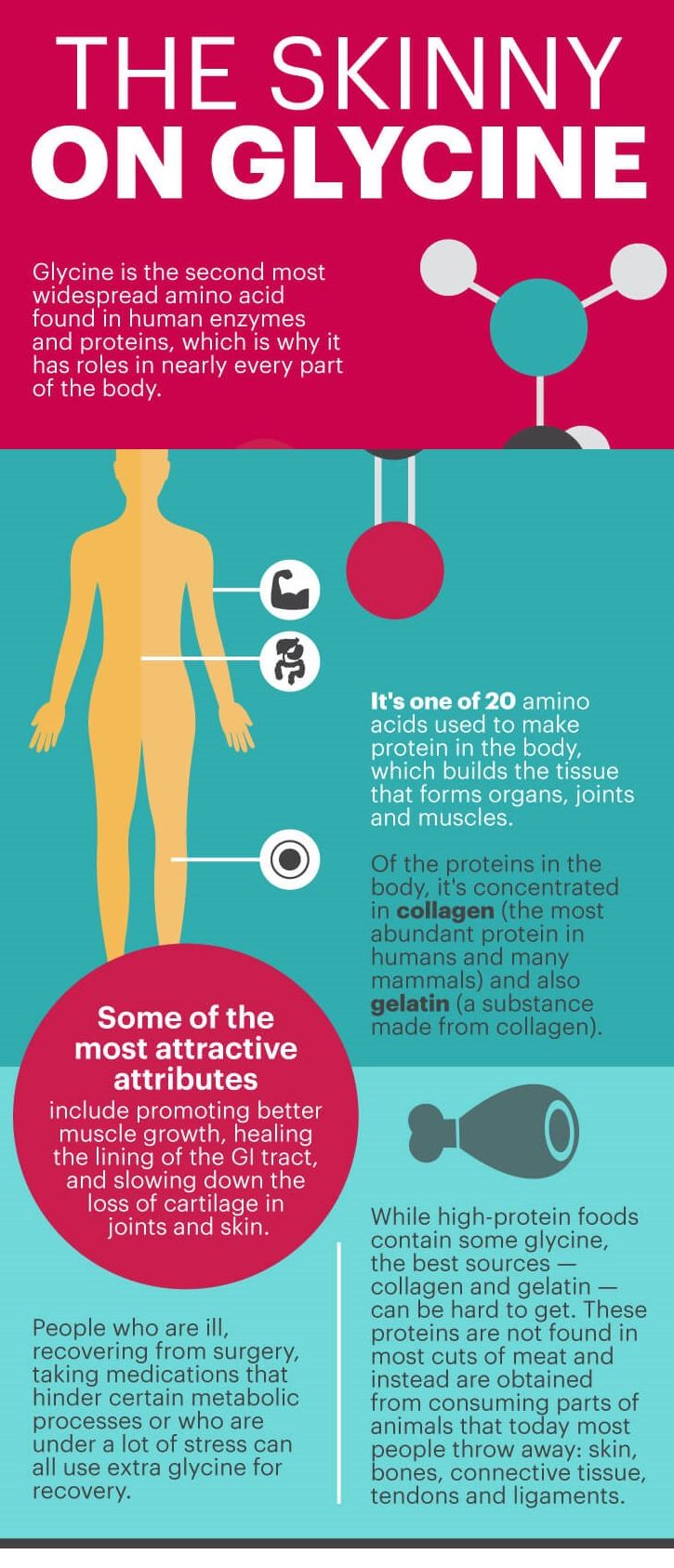 Glycine is molecularly very similar to Glyphosate
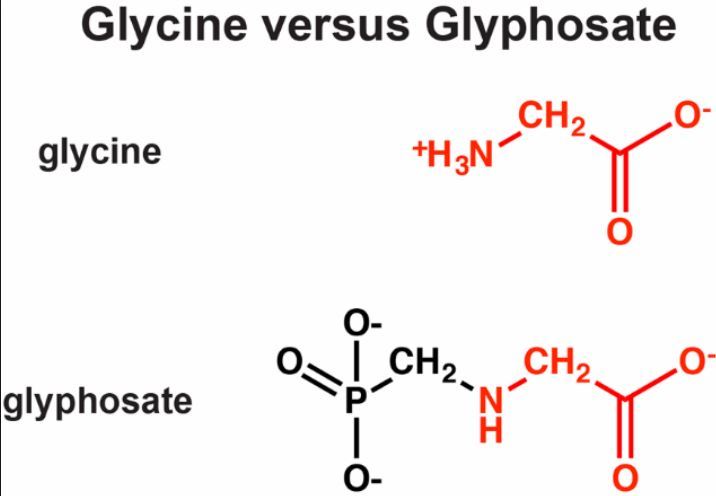 23 Proven Benefits of Glycine Supplements + Glycine Foods ] SelfHacked April 2016
Glyphosate pretending to be Glycine - devestating consequences Slideshare - Seneff April 2017
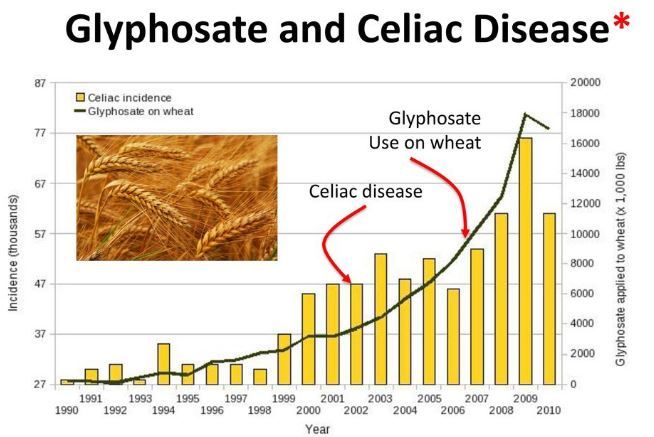
Example of many charts showing strong associations between increased health problems and Increased Glyphosate