The Impact of Vitamin D on Health and Disease - free medical textbook - 2026
Quick take
The Impact of Vitamin D on Health and Disease: Beyond the Bones is a 2026 Elsevier academic textbook— a 32-chapter, multi-author survey that is current and strong on genetics and epigenetics, broad across organ systems, thin on co-factors, and deliberately conservative on dosing. It is written for clinically or biology-trained readers, not a general audience.
| Title | The Impact of Vitamin D on Health and Disease: Beyond the Bones |
| Editors | Rehana Rehman (Aga Khan University, Karachi); Faiza Alam (Universiti Brunei Darussalam) |
| Publisher / Year | Elsevier, © 2026 |
| ISBN | 978-0-443-34037-6 |
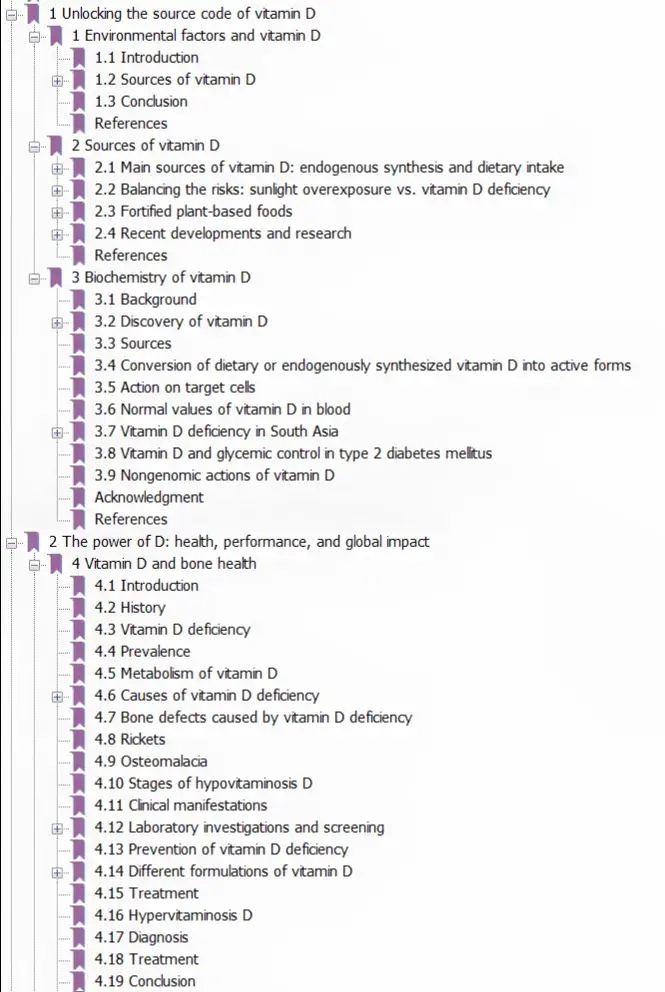
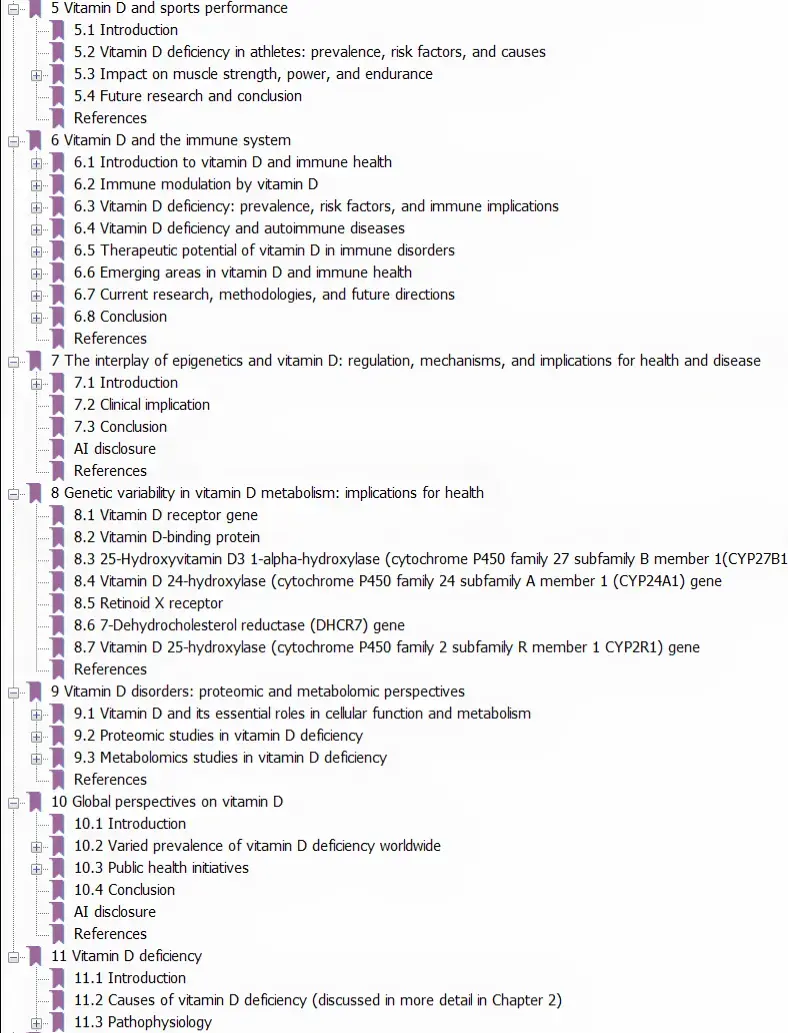
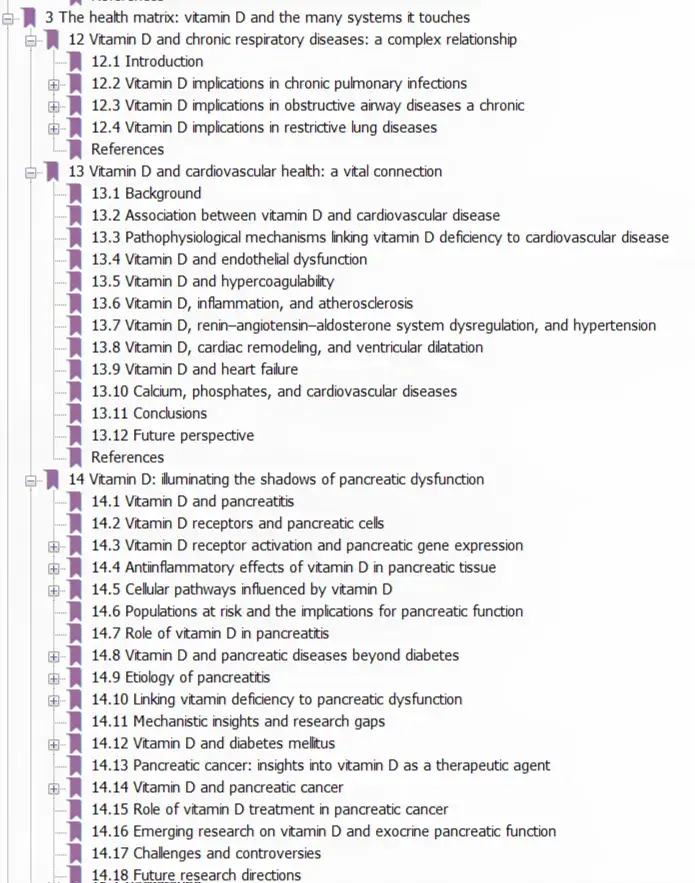
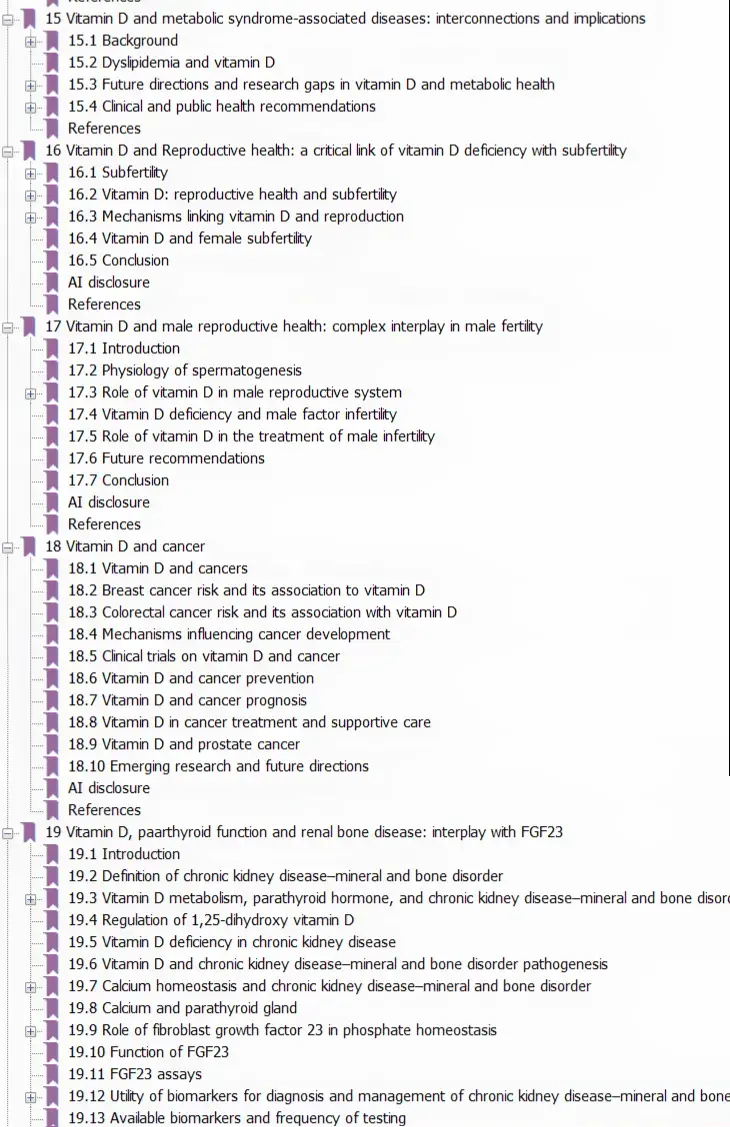
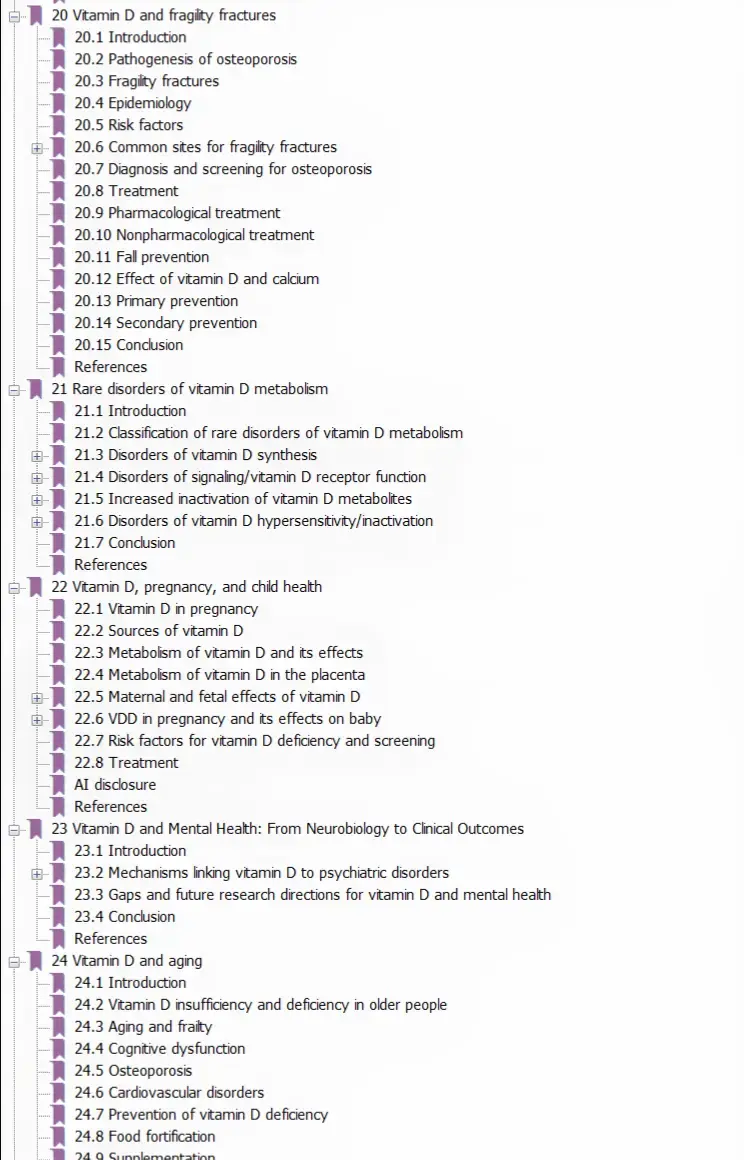
| Length | ~486 printed pages / 536 PDF pages, 32 chapters, 4 sections PDF |
| Author base | Predominantly South Asian and Bruneian contributors |
Who should read it — required background
Despite the "sunshine vitamin" framing in the preface, this is a textbook, not a popular-science book. It uses terms like nuclear receptor, cytokine, apoptosis, and 25(OH)D vs. 1,25(OH)₂D without defining them, and carries author-year citations in nearly every sentence. There is no glossary.
| Reader background | How much they'll get |
|---|---|
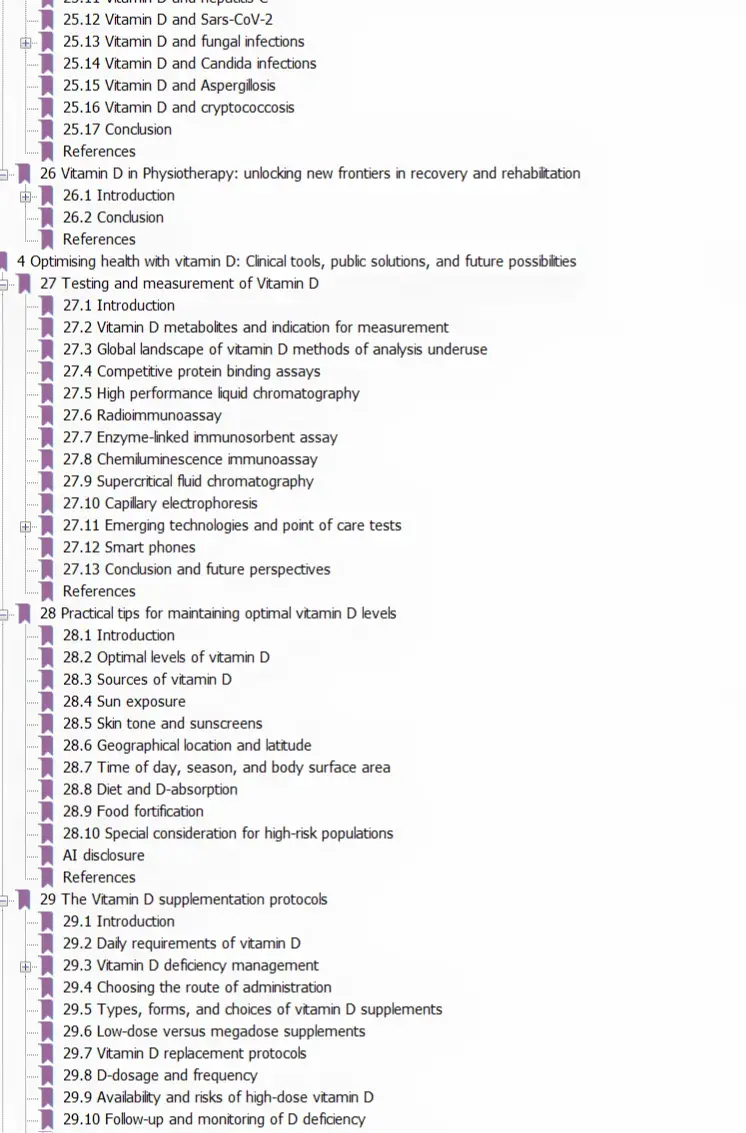
| 11th-grade education | Little. Could read chapter conclusions and the practical chapters (27, 28, 29) only. |
| General college degree | The practical and public-health chapters; will struggle with the mechanism-heavy middle. |
| College degree in biology / health | Most of the book — recommended minimum. |
| Medical / pharmacy / graduate training | Comfortable end-to-end, including the genetics, proteomics/metabolomics, and FGF23/parathyroid chapters. |
Recommended reader: college degree in biology or a health science, ideally clinical or graduate training. This matches the editors' stated audience of clinicians, researchers, educators, and students.
Strengths: genetics, breadth of diseases covered
Genetics and epigenetics — clearly above the genre. Two full chapters are devoted to it.
- Ch. 8 (Genetic variability): VDR, CYP2R1, CYP27B1, CYP24A1, DBP/GC, DHCR7, RXR; the classic VDR polymorphisms (FokI, BsmI, TaqI, ApaI); twin-heritability estimates; GWAS associations. VDR appears 255 times across the book.
- Ch. 7 (Epigenetics): DNA methylation, histone modifications, and gene-regulatory mechanisms.
- Mendelian randomization is used — more methodological care than most popular titles offer.
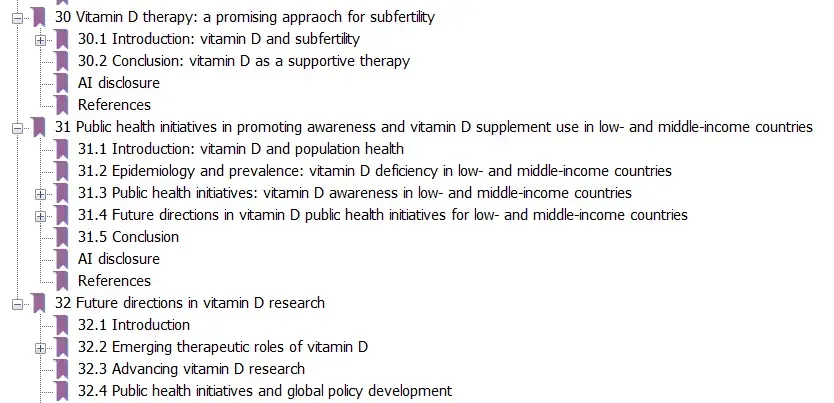
Breadth of disease coverage. Bone, sports performance, immunity, respiratory, cardiovascular, pancreatic, metabolic syndrome, reproductive (male and female), cancer, renal/parathyroid + FGF23, pregnancy/child, mental health, aging, infectious disease, and physiotherapy each get a chapter.
Evidence-aware tone. Chapters distinguish RCT from observational findings and flag where mechanisms remain unproven.
Gaps and limitations: little on cofactors
Co-factors are underdeveloped — the main content gap.
- Magnesium: ~10 mentions. Correctly named as a cofactor for vitamin D activation, with one line on dietary sources (spinach, almonds, pumpkin seeds). No dosing guidance, no treatment of how magnesium depletion blunts supplementation.
- Vitamin K2 / menaquinone: essentially absent as a co-factor. The D3→K2 calcium-partitioning synergy is not addressed. (Apparent "K2" text matches are histone marks, not the vitamin.)
- Boron: zero mentions. Zinc: incidental.
- The one real co-factor discussion is an A/C/E immune-synergy section (D + retinoic acid on cathelicidin; D + C on tight junctions; D + E on inflammation), framed as immune nutrition rather than a vitamin D co-factor protocol.
Dosing stance is conservative / mainstream. Chapter 29 anchors adequacy at ≥20 ng/mL (50 nmol/L), labels 30–50 ng/mL "optimal," and reproduces IOM-style RDA/UL tables (400–800 IU RDA, 4,000 IU adult UL). The tone is cautionary toward high-dose and bolus regimens.
Regional author skew. The heavily South Asian / Bruneian contributor base shapes the deficiency epidemiology and the "global perspectives" emphasis.
What this book does NOT cover
- The 40–60 ng/mL target range or weight-based loading doses.
- Rapid-acting / fast-acting formulations (sublingual nanoemulsion, calcifediol, topical) for acute settings.
- Vitamin K2 and boron as co-factors; magnesium only in passing.
- A practical co-supplementation protocol ("don't take D without magnesium and K2").
- Critique of why RCTs fail (dosing, baseline status, co-factor confounding) beyond surface acknowledgment.
How it compares to other vitamin D books
- vs. Feldman & Pike, Vitamin D (5th ed.): far less deep; Feldman & Pike remains the field reference.
- vs. popular titles (High-Dose Vitamin D Therapy, Power of Vitamin D3): broader on disease and far more current on genetics/epigenetics, but more conservative on dosing and lighter on co-factors.
It occupies the middle ground: more rigorous and current than the popular books, less authoritative than the major reference text.
Bottom line
A solid, current, evidence-tiered academic survey. Strong on mechanism, genes, and epigenetics; broad across organ systems; weak on co-factors and deliberately conservative on dosing. Best for a biology/health-degreed or clinically trained reader — not a general audience.
Detailed Table of Contents