Seed oils: 11 ways they're wrecking your body (and your Vitamin D)
Seed oils decrease health
1. Oxidation / Aldehydes (Arguably the Biggest Issue)
- Polyunsaturated fats (PUFAs) are chemically unstable — they oxidize easily during:
- Industrial extraction (high heat, pressure)
- Refining/deodorizing (temps up to 230°C)
- Storage (light and air degrade them)
- Cooking (especially reheating)
- Oxidized linoleic acid produces toxic aldehydes like 4-HNE (4-hydroxynonenal) and acrolein
- These are directly cytotoxic, damage DNA, mitochondria, and LDL particles
- Restaurant fryers reusing oil are particularly dangerous
2. Industrial Processing Contamination
- Most seed oils are solvent-extracted with hexane (a petrochemical)
- Trace residues remain in the final product
- Bleaching, deodorizing, and neutralizing steps add further chemical exposure
3. Trans Fats (Partial)
- Refining and high-heat processing creates small amounts of trans fats even in nominally "non-hydrogenated" oils
- Not labeled because amounts fall below regulatory thresholds
4. Omega-6 Problem (as discussed)
- Displacement of omega-3s
- Chronic pro-inflammatory signaling
- Linoleic acid accumulates in cell membranes and adipose tissue — half-life in fat tissue is ~2 years
5. Mitochondrial Disruption
- Oxidized PUFAs impair mitochondrial membrane function
- Cardiolipin (a mitochondrial membrane lipid) is particularly vulnerable to linoleic acid substitution
- Linked by some researchers (Tucker Goodrich, Brad Marshall) to metabolic syndrome
6. Atherosclerosis Paradox
- Early trials showed seed oils lowered LDL cholesterol, so they were deemed heart-healthy
- But the Minnesota Coronary Experiment (conducted 1968–73, data suppressed until 2016) showed that replacing saturated fat with linoleic acid increased all-cause mortality even while lowering cholesterol
- Oxidized LDL — not total LDL — is now considered the actual atherogenic particle
7. Hormonal / Endocrine Effects
- Linoleic acid metabolites influence eicosanoid signaling (prostaglandins, thromboxanes)
- May affect insulin sensitivity and adipogenesis
- Some evidence of effects on thyroid function
As seed oil consumption increased, 4+ major health problems also increased
The dramatic rise in seed oil consumption (~1900 to present) closely tracks the rise of:
- Obesity
- Type 2 diabetes
- Heart disease
- Certain cancers
This is correlational, but the mechanistic pathways (oxidation, aldehyde toxicity, membrane disruption) give it biological plausibility.
Seed oils may decrease Vitamin D getting to cells in 4 ways
- Mitochondrial damage from oxidized PUFAs may impair 25-hydroxylation of vitamin D in the liver
- Chronic low-grade inflammation from seed oils may upregulate CYP24A1, accelerating vitamin D catabolism
- Omega-6 blocks Omega-3. Omega-3 increases Vitamin D levels
- There's emerging research suggesting that chronic inflammation from omega-6 dominance may impair vitamin D receptor sensitivity and signaling
Omega-6 content of eight seed oils
| Oil | Omega-6 (approx.) |
|---|---|
| Safflower Oil | ~75% (worst) |
| Grapeseed Oil | ~70% (worst) |
| Sunflower Oil | ~65% |
| Corn Oil | ~54% |
| Cottonseed Oil | ~52% |
| Soybean Oil | ~51% |
| Rice Bran Oil | ~35% |
| Canola Oil | ~19% (the least Omega-6, also has Omega-3) |
- Canola and Rice Bran are the outliers — relatively lower in omega-6, with canola being notably higher in omega-3 (ALA) and monounsaturated fats
- Safflower and Grapeseed are among the worst offenders
- The concern many researchers raise is the omega-6 to omega-3 ratio — modern Western diets run roughly 15:1 to 20:1, whereas evolutionary estimates suggest 4:1 or lower is optimal
- High omega-6 intake is associated with pro-inflammatory signaling, as linoleic acid competes with omega-3s for the same metabolic enzymes (delta-5 and delta-6 desaturase)
Related in VitaminDWiki
- High levels of Omega-6 cut the benefits of Omega-3 in half
- Omega-6 blocks Omega-3 etc. -many studies
- Omega-6 increase may have increased the risk of many diseases
- Prenatal Omega-3 somewhat reduced child allergies (should also reduce Omega-6) – RCT
- Why Alzheimer’s studies using Omega-3 have mixed results – quality, dose size, Omega-6, genes, etc.
- ADHD 2 times more likely if poor Omega-6 to Omega-3 ratio – meta-analysis
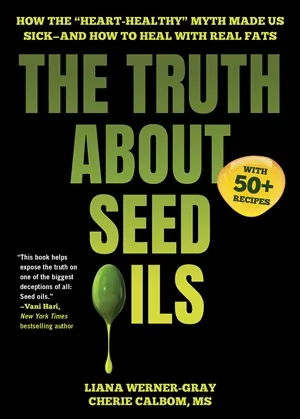
See also, April 2026 book; The Truth About Seed Oils'