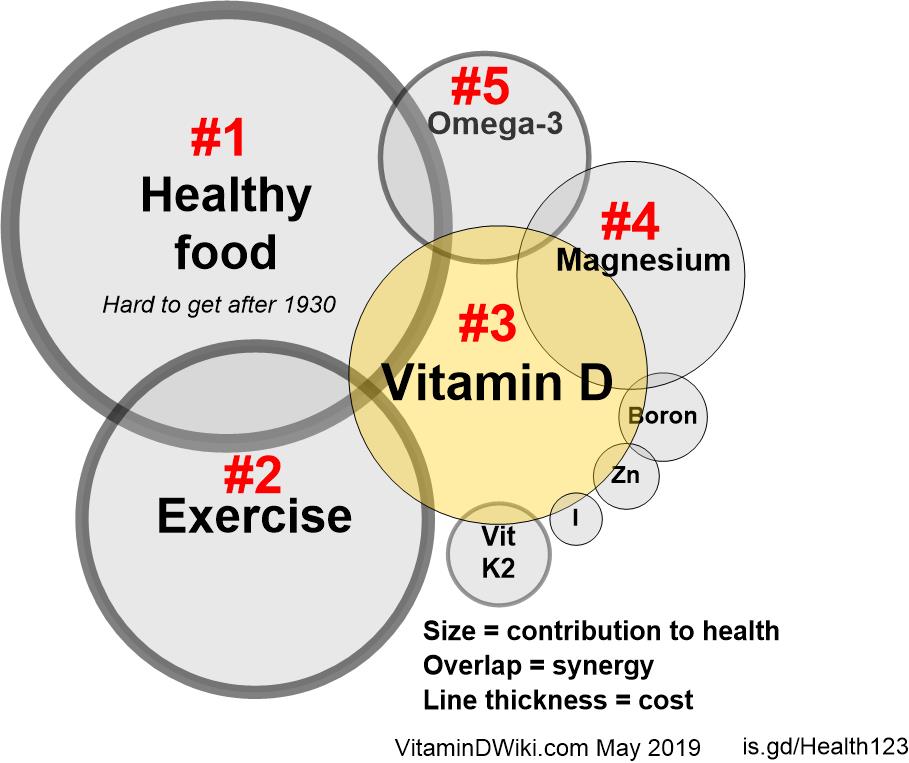
Physical Inactivity is another body stressor
Physical Inactivity as a Physiological Stressor
Yes, the evidence strongly demonstrates that lack of exercise constitutes genuine physiological stress on the body. Rather than being a neutral state, sedentary behavior activates multiple stress-response systems and dysregulates key homeostatic mechanisms.
Metabolic Stress and Fuel Dysregulation
Physical inactivity induces a state of "metabolic inflexibility"—the body's inability to efficiently switch between carbohydrate and fat oxidation in response to changing energy demands. Within days of reduced activity, muscles become insulin resistant, even in individuals who meet physical activity recommendations through sporadic exercise. This metabolic dysfunction manifests as elevated blood glucose, hyperinsulinemia, and impaired glucose regulation—classic markers of physiological stress on endocrine systems. pmc.ncbi.nlm.nih
The mechanism is particularly evident at the molecular level: lipoprotein lipase (LPL), an enzyme critical for lipid metabolism in muscle, shows approximately a tenfold reduction in activity in sedentary versus minimally active individuals. This represents a profound metabolic deconditioning that forces the body into a chronically dysregulated metabolic state. pmc.ncbi.nlm.nih
Inflammatory and Immune Stress
Sedentary behavior triggers a measurable pro-inflammatory state. Research demonstrates that highly sedentary individuals exhibit significantly elevated circulating levels of inflammatory biomarkers including tumor necrosis factor-alpha (TNF-α), interleukin-1 beta (IL-1β), and C-reactive protein compared to physically active counterparts. More importantly, individuals with higher sedentary time show an exaggerated inflammatory response to acute psychological stressors—their bodies amplify the stress response rather than damping it. This suggests that physical inactivity compromises the immune system's ability to regulate its stress response appropriately. ncsem-em.org
This inflammatory state is mediated through sympathetic nervous system (SNS) activation. The prolonged elevation of the stress hormone norepinephrine in sedentary individuals binds to adrenergic receptors on immune cells (macrophages), amplifying pro-inflammatory cytokine release and creating a self-perpetuating cycle of chronic low-grade inflammation. frontiersin
Nervous System Dysregulation
Lack of exercise disrupts the balance between the sympathetic (stress-activation) and parasympathetic (rest-and-recovery) nervous systems. Sedentary individuals show patterns of sympathetic overdrive—a sustained "fight-or-flight" state—paired with insufficient parasympathetic activation. This autonomic imbalance is itself a stress state, characterized by elevated resting heart rate, impaired heart rate variability, and reduced capacity for the body to shift into restorative modes. pmc.ncbi.nlm.nih
Studies measuring stress biomarkers through heart rate variability and parasympathetic tone demonstrate that regular physical activity improves stress resilience by enhancing parasympathetic activity and normalizing HPA axis (hypothalamic-pituitary-adrenal) responsiveness. The inverse is also true: inactivity leaves the stress-response system dysregulated, with diminished capacity to recover from acute stressors. pmc.ncbi.nlm.nih
Hormonal Dysregulation
The HPA axis—the body's central stress-response system—becomes dysregulated with prolonged physical inactivity. Evidence suggests that sedentary behavior may promote hypercortisolemia (elevated baseline cortisol) and glycemic instability even during seemingly benign sitting activities. Additionally, physical inactivity alters the circulation of sex hormones, with downstream effects on metabolic health and increased risk for hormone-dependent cancers. frontiersin
Muscular and Cardiovascular Stress
Even modest reductions in activity trigger acute cellular stress in muscle tissue. With just two weeks of reduced stepping or immobilization, healthy adults experience measurable muscle loss accompanied by increased markers of oxidative stress and protein degradation. In older populations, recovery from these brief inactivity periods is often incomplete, suggesting that the body experiences genuine physiological injury from deconditioning. frontiersin
At the cardiovascular level, the heart—itself a muscle—weakens measurably with disuse. Prolonged sedentary behavior reduces cardiac output by as much as 30% and oxygen delivery by 40% within weeks of bed rest, accompanied by loss of oxidative enzyme capacity in muscle mitochondria. This represents acute organ-system deconditioning under cellular stress. musculoskeletalkey
The Allostatic Load Perspective
From a systems perspective, physical inactivity creates what researchers term "allostatic load" —the cumulative physiological strain of dysregulated stress-response systems. When the body lacks the mechanical stress of muscle contraction and the metabolic challenge of activity, it loses its capacity to properly regulate glucose, inflammatory pathways, autonomic tone, and hormonal signaling. This is not simply the absence of a beneficial stimulus; it is active dysregulation of fundamental homeostatic mechanisms, creating a chronic low-grade stress state.
Regular physical activity, by contrast, functions as a controlled stressor that trains these regulatory systems. Acute exercise triggers sympathetic activation and cortisol release—genuine stress—but this teaches the body's stress-response machinery how to recover efficiently. The result is improved baseline regulation and blunted stress reactivity to subsequent psychological challenges. Sedentary behavior offers no such training stimulus, leaving the body's stress systems dysregulated and hyperresponsive. lifestylemedicine.stanford
In summary: Physical inactivity represents a genuine physiological stressor that
- dysregulates metabolic flexibility,
- elevates inflammatory markers,
- disrupts hormonal signaling, and
- compromises cardiovascular and muscular function.
These are not merely the absence of exercise's benefits but rather active physiological dysfunction—stress in the truest biological sense.
Related in VitaminDwiki
- 20+ chronic stressors that result in poor health
- Exercise and Vitamin D are synergistic - many studies
- Ways to improve health