
Longevity is a function of genes, your lifestyle can greatly improve it
Related in VitaminDwiki
- Yet another Longevity book includes a Vitamin D section (Longevity Leap)
- The ONE Supplement All Longevity Experts Are Taking (Magnesium) - video and transcript
- How Vitamin D, Omega-3s, and Exercise May Increase Longevity - Patrick
- If you have inherited longevity genes you can take 200 IU less vitamin D
- Live 7 years longer free of major disease if eat well, not smoke, not obese, moderate drink and exercise (100,000 people)
- Centenarians in China 3X more likely to be active if high vitamin D
- Centenarians have good Vitamin D Receptor genes (or take lots of vitamin D)
What habits will extend life expectancy?
Being physically active
Being free from opioid addiction
Not smoking
Managing stress
Having a good diet
Not regularly binge drinking
Having good sleep hygiene
Having positive social relationships.
Healthspan
- 20 ways to increase Healthspan (such as Vitamin D)
- Longevity and healthspan increased by Vitamin D, Omega-3, Magnesium - many studies
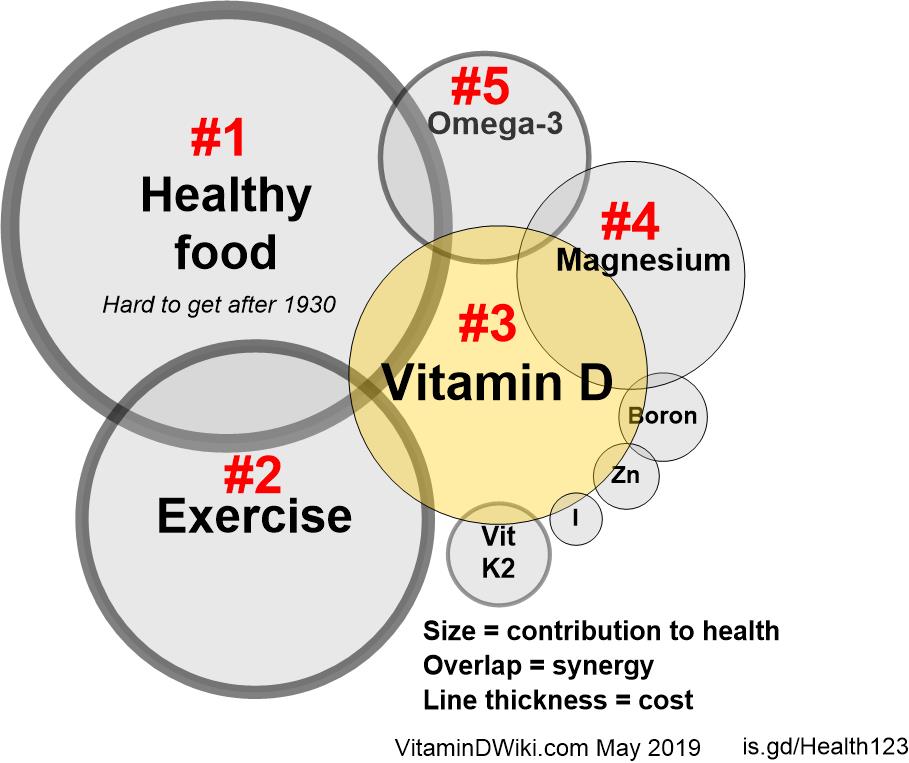
What is the easiest way to get healthy: Vitamin D, Healthy Food, or Exercise
Epigenetics * Epigenetics and Vitamin D – many studies * Vitamin D Receptor – environment, genetics and epigenetics * Less DNA repair if nutrient deficient (Vitamin D, Magnesium, Omega-3, Vitamin K, etc) – Ames
Genes and Longevity: The Interplay Between Genetic Determinism and Epigenetic Modulation
The claim that "genes may control your longevity, however healthily you live" contains partial truth but requires substantial nuance. Recent research published in Science (January 2026) has dramatically revised our understanding of longevity heritability, estimating that genetics account for approximately 55% of lifespan variation—more than double previous estimates of 20-25%. However, this finding does not diminish the importance of lifestyle factors. The remaining 45% of longevity determinants, combined with extensive evidence for epigenetic modifications—mechanisms that alter gene expression without changing DNA sequence—demonstrate that gene activation is highly malleable through diet, exercise, stress management, sleep, and other environmental interventions. cnn
This report examines three critical dimensions: (1) the genetic architecture of longevity and recent revisions to heritability estimates, (2) the mechanisms by which lifestyle factors modify gene expression through epigenetic pathways, and (3) the practical implications for extending both lifespan and healthspan. The evidence reveals a sophisticated interplay where genetic predisposition establishes boundaries while epigenetic regulation—responsive to behavioral and environmental inputs—determines where individuals fall within those boundaries.
The Genetic Foundation: Revised Heritability Estimates
Breakthrough Research Redefines Genetic Contribution
A landmark study published in Science in January 2026 by researchers at Israel's Weizmann Institute fundamentally challenged prevailing assumptions about longevity genetics. Using advanced mathematical modeling applied to twin and sibling studies from Denmark, Sweden, and the United States, investigators separated "intrinsic mortality" (deaths from biological aging) from "extrinsic mortality" (accidents, infections, violence). This methodological refinement proved crucial, as previous studies conflated these two death categories, systematically underestimating genetic influence. nbcnews
When analyzing intrinsic mortality specifically, the heritability of lifespan reached 55%—remarkably consistent with heritability estimates for other physiological traits like height (approximately 50%), age at menopause (approximately 50%), and body composition. Lead researcher Ben Shenhar explained: "In nearly all human-related twin studies, you find this 50% figure...The figure we obtained is not arbitrary". This consistency across traits suggests that lifespan heritability, far from being exceptional, follows fundamental patterns of human genetic architecture. sciencenews
The revised estimate indicates that genetics exert stronger influence than previously recognized, yet Shenhar emphasized the study's message should not be fatalistic: "If genetics account for 55% of our life expectancy, that still leaves 45% influenced by lifestyle choices, which is a considerable portion". Indeed, even with genetic factors explaining the majority of variance, lifestyle modifications remain critically important for several reasons explored throughout this report. nytimes
Practical Implications of 55% Heritability
The 55% heritability figure represents population-level variance, not individual determinism. Alon from the Weizmann Institute clarified the practical implications: someone genetically predisposed to live to age 80 could extend lifespan to 85 through healthy habits or reduce it to 75 through poor choices—a 10-year range. Other researchers suggest even greater malleability: Dr. Thomas Perls from Boston University referenced Harvard observational studies showing that a healthy 50-year-old woman might live to 93 versus 79 with less healthy habits—a 14-year difference. cnn
Critically, the genetic contribution varies across the lifespan. Analysis stratified by age at death revealed that APOE ε4, a well-established longevity variant, showed stronger effects at older ages (over 75 years), while variants near CHRNA3/5 affected younger deaths more strongly. This age-dependent pattern suggests that genetics become increasingly important for extreme longevity (reaching 90-100+ years), while lifestyle factors dominate earlier decades. nature
Longevity Genes: Consistent and Emerging Candidates
Among hundreds of genetic variants associated with aging phenotypes, only a handful have demonstrated consistent replication across populations. The two most robustly validated longevity genes are APOE and FOXO3. pmc.ncbi.nlm.nih
APOE (Apolipoprotein E): The APOE gene exists in three main variants (ε2, ε3, ε4), with the ε2 allele conferring protection (odds ratio 1.31 for longevity) and ε4 increasing risk (odds ratio 0.62). Each copy of APOE ε4 reduces maternal lifespan by approximately 1.24 years, with effects concentrated in older ages. The ε4 variant increases risk for Alzheimer's disease, cardiovascular disease, and cognitive decline—all major age-related pathologies. Conversely, APOE ε2 carriers show enrichment among centenarians and nonagenarians. alzheimers
FOXO3 (Forkhead Box O3): The FOXO3 gene, particularly the rs2802292 SNP, demonstrates remarkably consistent associations with longevity across diverse populations. Carriers of the protective G-allele have a 1.9-fold increased probability of living past 95 years. FOXO3 functions as a transcriptional regulator that activates genes involved in DNA repair, oxidative stress resistance, autophagy (cellular cleanup), stem cell renewal, and inhibition of pro-aging metabolic pathways. The protein responds to nutrient deprivation and is upregulated by caloric restriction through AMPK (AMP-activated protein kinase) signaling. pmc.ncbi.nlm.nih
Mechanistically, FOXO3 longevity variants protect telomeres—the protective DNA caps on chromosomes that shorten with age—by maintaining higher telomerase activity in older adults (≥55 years). G-allele carriers also show increased FOXO3 mRNA expression with age (while TT genotype carriers show decreased expression) and reduced inflammatory cytokine profiles. This anti-inflammatory effect may reduce the accelerated cell turnover that shortens telomeres during chronic inflammation. nature
SIRT6 (Sirtuin 6): While not consistently identified in human genetic association studies, experimental evidence strongly implicates SIRT6 in longevity regulation. SIRT6 is an NAD+-dependent deacetylase that maintains genomic and epigenomic stability through DNA repair coordination and heterochromatin regulation. Mice overexpressing SIRT6 show 11-27% median lifespan extension (sex-dependent), with improvements in energy metabolism, physical activity, and reduced frailty. The enzyme prevents age-related declines in hepatic NAD+ levels and gluconeogenesis capacity while maintaining normoglycemia—key markers of healthy aging. pmc.ncbi.nlm.nih
Remarkably, SIRT6 from long-lived species exhibits stronger enzymatic activity than from shorter-lived species, suggesting evolutionary optimization for longevity. The protein interacts directly with Lamin A (encoded by LMNA, mutations in which cause progeria), forming what may be a master regulatory axis controlling epigenetic aging. pmc.ncbi.nlm.nih
Additional Longevity Gene Candidates: Meta-analyses and genome-wide association studies have identified variants in genes including TOMM40, FOXO4, IGF2, INS, AKT1, LMNA, WRN, SOD2, SIRT3, and genes in insulin/IGF-1 signaling and telomere maintenance pathways. However, effect sizes are generally small, and associations often fail to replicate across populations. This heterogeneity suggests longevity results from complex interactions among multiple genes rather than single dominant variants. herohealth
Epigenetic Mechanisms: How Genes Can Be Controlled
The statement that "there are many ways to alter gene activation" is unequivocally supported by decades of epigenetic research. Epigenetics encompasses heritable changes in gene expression that occur without alterations to the DNA sequence itself. These modifications serve as a regulatory layer between genotype and phenotype, translating environmental signals into changes in cellular function and, ultimately, organismal aging trajectories. biomodal
Three Primary Epigenetic Mechanisms
DNA Methylation: DNA methylation involves adding a methyl group (CH₃) to cytosine nucleotides, predominantly at CpG sites where cytosine is followed by guanine. This chemical modification typically silences gene expression by preventing transcription factor binding or recruiting repressor proteins. During aging, DNA methylation exhibits characteristic "drift"—some genomic regions gain methylation (often at previously active genes) while others lose methylation (particularly at repetitive elements and heterochromatin). cd-genomics
The rate of methylation drift correlates inversely with lifespan across species: slower in long-lived humans and rhesus monkeys, faster in short-lived mice. Importantly, caloric restriction—the most robust longevity intervention across species—slows age-related methylation drift in mice, monkeys, and humans. Regions prone to differential methylation with age show less alteration in calorie-restricted animals. This epigenetic stabilization may explain how caloric restriction extends both lifespan and healthspan. pubmed.ncbi.nlm.nih
DNA methylation changes are now formalized into "epigenetic clocks"—algorithms that predict biological age with remarkable accuracy. Multiple clock iterations exist, including Horvath's DNAmAge, GrimAge, PhenoAge, and DunedinPACE, each trained on different tissues and outcomes. These clocks demonstrate that biological age can diverge substantially from chronological age, with accelerated epigenetic aging predicting increased mortality risk, age-related disease incidence, and functional decline. sciencedirect
Histone Modifications: Histones are proteins that package DNA into chromatin, the organized structure within the nucleus. Post-translational modifications to histones—including acetylation, methylation, phosphorylation, and ubiquitination—alter chromatin accessibility and gene expression. Histone acetylation generally promotes gene activation by loosening chromatin structure, while deacetylation (mediated by histone deacetylases, including sirtuins) typically represses transcription. nature
Age-related changes in histone modifications are well-documented. Aging is associated with global histone loss, increased histone H3 lysine 27 trimethylation (H3K27me3) at genes involved in mitochondrial function and synaptic activity (silencing them), and decreased H3K27me3 at immune and inflammatory genes (activating them). These patterns help explain age-related functional decline in brain and muscle while accounting for chronic low-grade inflammation (inflammaging). pmc.ncbi.nlm.nih
Specific histone-modifying enzymes regulate lifespan in model organisms. In C. elegans, loss of the histone demethylase UTX-1 extends lifespan by 30% through modulation of insulin/IGF-1 signaling and FOXO/DAF-16 activity. Conversely, loss of certain histone methyltransferases (ASH-2, SET-9, SET-26) also extends lifespan. The context-dependent effects of histone modifications underscore their complexity: the same modification can have opposing effects depending on genomic location and cellular context. pmc.ncbi.nlm.nih
Chromatin Remodeling and Non-Coding RNAs: Beyond methylation and histone modifications, epigenetic regulation includes chromatin remodeling complexes that alter the three-dimensional structure of DNA and non-coding RNAs (microRNAs, long non-coding RNAs) that silence gene expression post-transcriptionally. MicroRNAs, in particular, show altered expression with aging and can target components of longevity-related pathways including mTOR, insulin signaling, and inflammation. Changes in the microRNA landscape contribute to epigenetic drift and age-related functional changes. pmc.ncbi.nlm.nih
Epigenetic Aging as a Hallmark and Biomarker
Epigenetic alterations are now recognized as a primary hallmark of aging. The predictive power of epigenetic clocks has transformed them into actionable biomarkers: GrimAge acceleration predicts mortality risk more accurately than chronological age, while DunedinPACE measures the pace of biological aging—how fast individuals are accumulating age-related changes. Critically, these clocks are sensitive to interventions, making them valuable endpoints for evaluating anti-aging strategies. jamanetwork
Lifestyle Interventions That Modify Gene Expression
The assertion that "there are many ways to alter gene activation" is powerfully demonstrated by research documenting how diet, exercise, sleep, stress management, and other lifestyle factors induce epigenetic changes that influence aging trajectories. optimaldx
Caloric Restriction and Dietary Interventions
Caloric restriction (CR)—reducing calorie intake by 20-50% while maintaining adequate nutrition—is the most extensively studied longevity intervention, consistently extending lifespan in yeast, worms, flies, rodents, and primates. In humans, the CALERIE trial demonstrated that even modest CR (11.9% reduction) over two years improved multiple health markers and slowed age-related methylation changes. cen.acs
Epigenetic Mechanisms of CR: CR slows DNA methylation drift across multiple tissues (blood, liver, hippocampus, kidney, cerebellum). Genomic regions prone to age-related hypermethylation show attenuated changes in CR animals. Importantly, CR modifies methylation at promoters associated with cancer, diabetes, and inflammation, potentially explaining disease risk reduction. In obese subjects, even short-term CR induces epigenetic changes in genes regulating lipid metabolism (WT1, ATP10A, TNF-α), reducing their expression and delaying aging processes. whatisepigenetics
CR also affects histone modifications. Glucose restriction inhibits cellular senescence by reducing H3K9me3 (a repressive mark) at the p16 promoter, thereby extending cellular lifespan through chromatin reconstitution. Sirtuins, NAD+-dependent histone deacetylases activated by CR, mediate many longevity benefits by deacetylating histones and non-histone proteins involved in stress resistance, DNA repair, and metabolism. pmc.ncbi.nlm.nih
Specific Dietary Components: Beyond calorie quantity, nutrient quality profoundly affects epigenetic aging. Mediterranean diet adherence and high consumption of anti-inflammatory nutrients (polyphenols, omega-3 fatty acids, vitamins C and A) are associated with younger epigenetic age. Conversely, higher added sugar intake correlates with accelerated epigenetic aging; each unit increase in added sugar is associated with older GrimAge2. pmc.ncbi.nlm.nih
A randomized controlled trial demonstrated that an 8-week diet and lifestyle intervention—featuring plant-centered foods rich in methyl donors (folate, betaine), TET enzyme cofactors (alpha-ketoglutarate, vitamins C and A), and polyphenolic DNMT modulators (curcumin, EGCG, quercetin)—reduced DNAmAge by 3.23 years compared to controls. The intervention also included intermittent fasting, probiotic supplementation, exercise, stress management, and sleep optimization, creating synergistic effects. aging-us
Exercise and Physical Activity
Exercise induces profound epigenetic modifications across multiple tissues, particularly skeletal muscle, adipose tissue, and circulating immune cells. Both acute and chronic exercise significantly impact DNA methylation in highly tissue- and gene-specific patterns. pubmed.ncbi.nlm.nih
DNA Methylation Changes: High-intensity exercise causes rapid DNA demethylation at promoters of metabolically important genes including PGC-1α (mitochondrial biogenesis master regulator) and PDK4 (glucose metabolism regulator). This demethylation activates transcription, allowing cells to adapt to metabolic demands. The magnitude of methylation change correlates with exercise intensity: more pronounced changes occur after high-intensity versus moderate-intensity exercise. frontiersin
Regular moderate-intensity exercise (26-30 minutes daily versus ≤10 minutes daily) increases global DNA methylation in white blood cells, a pattern associated with genomic stability and reduced cancer risk. Conversely, sedentary behavior and low physical activity are associated with hypomethylation patterns linked to accelerated aging. en.wikipedia
Histone Modifications and Longevity Pathways: Exercise modulates histone acetylation and methylation at genes controlling muscle structure, mitochondrial function, and oxidative stress responses. Six months of vigorous training (spinning and aerobics) produced differential methylation at individual CpG sites ranging from 0.2-10.9% in adipose tissue. These changes affect expression of genes involved in insulin sensitivity, inflammation, and energy metabolism. youtube
A meta-analysis found that even small increases in physical activity yield substantial mortality benefits. Adding just 5 minutes of moderate-intensity activity daily reduced all-cause mortality risk by 6-10% (depending on baseline activity level), with the greatest benefit in the least active individuals. Reducing sedentary time by 30 minutes daily provided a 3-7% death risk reduction. Combined improvements of 24 extra minutes of sleep, 3.7 minutes of exercise, and improved diet quality were associated with 4 additional years of life, while more substantial changes (42-103 minutes daily exercise, 7-8 hours sleep, highly nutritious diet) predicted 9+ additional years. foxnews
Vitamin D: Genomic and Epigenetic Effects
Vitamin D, functioning as a steroid hormone through the vitamin D receptor (VDR), exerts extensive genomic and epigenomic effects relevant to aging. VDR binds to vitamin D response elements (VDREs) throughout the genome, modulating transcription of hundreds of genes involved in calcium metabolism, immune function, cellular proliferation, and stress responses. research.colostate
Epigenetic Age and Vitamin D Status: A study of 1,600 participants found that individuals with low vitamin D levels (below 30 ng/mL) exhibited accelerated epigenetic aging—appearing "biologically older" than those with adequate vitamin D. Chromosomal telomeres were also shorter in vitamin D-deficient individuals. Supplementation studies suggest vitamin D may slow telomere attrition: participants supplemented with vitamin D showed reduced telomere length loss by approximately 140 base pairs over four years compared to controls. scientificamerican
Mechanistic Pathways: In C. elegans, vitamin D3 extends lifespan through stress response pathways including SKN-1/Nrf2 (oxidative stress master regulator), IRE-1/XBP-1 (endoplasmic reticulum unfolded protein response), DAF-16/FOXO, and HSF-1 (heat shock response). These pathways converge on protein homeostasis (proteostasis), a fundamental aging mechanism. Vitamin D deficiency accelerates age-related protein aggregation and shortens lifespan, while adequate vitamin D maintains proteostasis and extends longevity. sciencedirect
In mammalian skin aging, vitamin D mediates antioxidant defense through Nrf2 activation, modulates inflammation via NF-κB signaling, and influences Wnt/β-catenin pathways that regulate cellular senescence and barrier function. Under oxidative stress, vitamin D prevents β-catenin degradation by promoting GSK3β phosphorylation, thereby activating antioxidant transcriptional programs. pmc.ncbi.nlm.nih
Polyphenols, Resveratrol, and Sirtuin Activation
Polyphenolic compounds—including resveratrol (found in red wine and grapes), curcumin, EGCG (green tea), quercetin, and numerous others—modulate gene expression through multiple mechanisms, including direct sirtuin activation, DNMT inhibition, and antioxidant effects. pmc.ncbi.nlm.nih
Resveratrol and Lifespan Extension: Resveratrol extends lifespan in yeast (70% increase), C. elegans, Drosophila, and mice through sirtuin activation and caloric restriction mimicry. The compound activates SIRT1 allosterically, lowering the Km for target proteins and increasing deacetylation efficiency. In Drosophila, resveratrol-induced lifespan extension requires functional Sir2 (the fly sirtuin ortholog); mutants lacking Sir2 show no longevity benefit. frontiersin
Importantly, resveratrol's effects are context-dependent, varying by sex, dietary composition, and genetic background. In flies, resveratrol extended lifespan in females fed low-sugar/high-protein or high-fat diets but showed minimal effects in males under the same conditions. This context-dependency underscores the complexity of nutritional interventions and the importance of personalized approaches. pmc.ncbi.nlm.nih
Gene Expression Changes: Resveratrol downregulates genes in aging-related pathways including antioxidant peroxiredoxins, insulin-like peptides, and Jun-kinase signaling components. It also maintains genome stability by inducing DNA double-strand break repair and transiently stabilizing histone H2AX expression. In mouse models deficient in DNA mismatch repair (Msh2 knockout), dietary resveratrol significantly extended lifespan despite ongoing DNA damage, suggesting protective effects beyond DNA repair per se. nature
NAD+ Precursors and Sirtuin Function: Sirtuins require NAD+ as a cofactor, and NAD+ levels decline with aging across tissues. Supplementation with NAD+ precursors—including nicotinamide riboside (NR), nicotinamide mononucleotide (NMN), and nicotinic acid—restores NAD+ levels and enhances sirtuin activity. This restoration improves mitochondrial function, enhances DNA repair, reduces inflammation, and extends healthspan in animal models. nature
The NAMPT-mediated NAD+ salvage pathway, which recycles NAD+ from nicotinamide, is induced by caloric restriction, exercise, fasting, and various stresses. NAMPT transcription is circadian-regulated by CLOCK/BMAL1, rendering NAD+ biosynthesis and sirtuin activity rhythmic. This circadian coupling links metabolism, epigenetic regulation, and aging processes, suggesting that circadian disruption (shift work, irregular sleep) may accelerate aging through NAD+ depletion and sirtuin dysfunction. nature
Stress Management and Meditation
Psychological stress activates the sympathetic nervous system (SNS) and hypothalamic-pituitary-adrenal (HPA) axis, triggering transcription factors (particularly NF-κB) that upregulate pro-inflammatory gene expression. Chronic activation of this stress-inflammation axis accelerates biological aging and increases risk for cardiovascular disease, metabolic disorders, neurodegenerative diseases, and cancer. pmc.ncbi.nlm.nih
Meditation and Gene Expression: Randomized controlled trials demonstrate that mindfulness meditation significantly reduces NF-κB-driven pro-inflammatory gene expression while increasing anti-inflammatory glucocorticoid receptor (GR) and interferon regulatory factor (IRF) antiviral gene expression. Effects have been documented in community adults, older adults, breast cancer survivors, and long-term meditators. frontiersin
A large-scale genomic study found that meditation upregulated 220 genes associated with immune response, including 68 interferon signaling genes, without increasing inflammatory gene expression. Conversely, genes involved in oxidative stress, detoxification, and cell cycle regulation were downregulated after meditation. This immune activation pattern—enhanced antiviral defenses without inflammation—is significantly dysregulated in multiple sclerosis and severe COVID-19 patients, suggesting meditation may restore immune homeostasis. pnas
Specific meditation practices show differential effects: Kirtan Kriya meditation (12 minutes daily for 8 weeks) caused differential expression of 68 genes and decreased multiple pro-inflammatory genes. Sudarshan Kriya (SK), a breathing-based meditation, downregulated 49 genes and upregulated 19 genes, with a significant reduction in NF-κB-related pro-inflammatory transcription and increased antiviral IRF-1 activity. wholehealthllc
Epigenetic Mechanisms: Meditation influences gene expression partly through epigenetic modifications. Long-term meditators show reduced expression of pro-inflammatory genes RIPK2 and COX2. One study found meditation affects histone deacetylases (HDACs), key enzymes that remove acetyl groups from histones to repress transcription. The stress-buffering effects of meditation may also operate through the HPA axis: reduced cortisol output preserves telomere length and slows epigenetic aging. simonemedical
Sleep and Circadian Regulation
Sleep duration and quality profoundly affect epigenetic aging, with insufficient or poor-quality sleep accelerating biological age. Sleep deprivation activates inflammatory pathways, increases DNA damage, and promotes cellular senescence—all hallmarks of biological aging. pmc.ncbi.nlm.nih
Epigenetic Age Acceleration: Postpartum women sleeping less than 7 hours nightly showed accelerated epigenetic aging measured by multiple clocks (IEAA, PEAA, GrimAgeAccel, DunedinPACE) and shorter telomere length at follow-up. Each hour of sleep loss was associated with approximately 0.5-1 year of additional biological aging in various studies. The effects were particularly pronounced in "poor sleepers" with multiple sleep disturbances beyond just short duration. escholarship
Importantly, sleep quality (measured by PSQI, Pittsburgh Sleep Quality Index) correlated positively with fasting glucose and metabolic syndrome risk, linking sleep disturbances to age-related metabolic dysfunction. Insomnia symptoms were associated with increased late-differentiated CD8+ T cells (a marker of immune senescence) and reduced naive T cells, suggesting accelerated immune aging. pmc.ncbi.nlm.nih
Molecular Mechanisms: Sleep deprivation induces epigenetic reprogramming in brain tissues, affecting DNA methylation at clock genes (circadian regulators) and impairing synaptic plasticity and cognition. Single nights of partial sleep deprivation in older adults activated gene expression consistent with biological aging pathways: increased inflammation (via NF-κB), DNA damage accumulation, and cellular senescence markers. In mouse models, repeated sleep disruption altered aging processes including cellular stress, injury, and senescence. pmc.ncbi.nlm.nih
Sleep's restorative effects may operate through multiple pathways: nocturnal DNA repair, cellular clearance via autophagy and the glymphatic system, immune reconstitution, and metabolic homeostasis. Adequate sleep (7-8 hours) allows these processes to complete, while chronic sleep restriction creates cumulative damage that accelerates biological aging. escholarship
Gut Microbiome and Host Gene Regulation
The gut microbiome—the trillions of bacteria, fungi, and other microorganisms inhabiting the gastrointestinal tract—influences host gene expression through multiple mechanisms including production of metabolites (short-chain fatty acids, tryptophan derivatives), immune modulation, and signaling through the gut-brain axis. alzheimers
Microbiome Patterns and Longevity: Unique gut microbiome patterns, characterized by high diversity and specific beneficial taxa, are associated with healthy aging and increased longevity. Centenarians show higher levels of Christensenella, Bifidobacteria, and beneficial Bacteroides species (B. thetaiotaomicron, B. uniformis) compared to younger adults. Conversely, aging is generally associated with decreased microbial diversity and expansion of pro-inflammatory bacteria. pmc.ncbi.nlm.nih
Microbiome transplantation experiments demonstrate causal effects: transplanting microbiota from young to middle-aged killifish improved locomotion and extended longevity. In Drosophila, fecal transplants from aged donors to young flies reduced recipient longevity, demonstrating that age-related microbiome changes can transmit aging phenotypes. pmc.ncbi.nlm.nih
Microbial Metabolites Influence Host Epigenetics: Gut bacteria produce metabolites that directly affect host gene expression and epigenetic modifications. Short-chain fatty acids (SCFAs)—butyrate, propionate, acetate—are produced by bacterial fermentation of dietary fiber and serve as histone deacetylase inhibitors, altering chromatin accessibility and gene expression. Tryptophan-derived indole, produced by gut bacteria and enriched in long-lived individuals, reduces inflammation and extends lifespan in mouse studies. alzheimers
Pro-longevity interventions including caloric restriction, Mediterranean diet, metformin, rapamycin, and resveratrol all remodel the gut microbiome, often increasing Lactobacillus and Bifidobacterium abundance while modifying SCFA production. Whether microbiome changes mediate the longevity effects of these interventions or merely accompany them remains under investigation, but emerging evidence supports causal contributions. blogs.bcm
Optogenetic control of gut bacterial metabolism in C. elegans demonstrates direct effects: engineering E. coli to produce colanic acid (a pro-longevity compound) in response to light protected worm gut cells against mitochondrial fragmentation and extended lifespan in a light-dose-dependent manner. This elegant approach confirms that microbial metabolites can directly influence host aging trajectories. blogs.bcm
Gene-Environment Interactions: Neither Genes Nor Lifestyle Alone
The genetic versus lifestyle debate represents a false dichotomy. Longevity emerges from complex gene-environment (G×E) interactions that vary across the lifespan, between individuals, and across populations. pmc.ncbi.nlm.nih
Genetic Risk Can Be Offset by Healthy Lifestyle
Large-scale analyses using polygenic risk scores (PRS)—composite measures of genetic variants associated with lifespan or disease risk—demonstrate that healthy lifestyle substantially reduces disease incidence across all genetic risk categories, but with greater absolute benefit for those at highest genetic risk. ebm.bmj
In a UK Biobank study of 276,096 participants, individuals with the highest genetic risk (top 1% PRS) for type 2 diabetes who adopted healthy lifestyles reduced their absolute risk from 14.3% to 1.9%—an absolute risk reduction (ARR) of 12.4%. For those in the lowest genetic risk group (bottom 10% PRS), lifestyle modification reduced risk from 3.1% to 0.3%—an ARR of 2.8%. Thus, high-risk individuals benefited 4.4-fold more in absolute terms from the same lifestyle changes. pmc.ncbi.nlm.nih
Similar patterns emerged for coronary artery disease and atrial fibrillation: the ARR from lifestyle adherence was 4.5% (high PRS) versus 1.0% (low PRS) for CAD, and 7.2% versus 0.5% for AF. Among individual lifestyle factors, body mass index modification provided the greatest benefit, particularly for those at high genetic risk. pmc.ncbi.nlm.nih
Critically, no multiplicative interaction was detected—the relative risk reduction was similar across genetic risk groups—but the additive interaction was substantial. This means healthy lifestyle provides proportional benefit regardless of genetics, but translates into far more prevented cases among genetically susceptible individuals. The implication: genetic risk should motivate more intensive lifestyle intervention, not fatalism. ebm.bmj
Centenarians: Genetic Advantage Plus Lifestyle Optimization
Centenarians—individuals reaching age 100+—appear to possess "longevity-enabling" genetic variants, often in APOE, FOXO3, CETP, and other genes. Whole-genome sequencing of supercentenarians (110+ years) reveals they carry the same disease-risk variants as average individuals but also possess protective variants that counterbalance these risks. pmc.ncbi.nlm.nih
However, even centenarians benefit from healthy lifestyles. A nested case-control study comparing 1,454 centenarians with 3,768 individuals who died before age 100 found that those with the highest healthy lifestyle scores (never smoking, regular exercise, diverse diet) had significantly higher odds of reaching 100 years. Among individual factors, never smoking, exercise, and dietary diversity were most strongly associated with centenarian status. jamanetwork
These findings suggest that exceptional longevity requires both favorable genetics and health-promoting behaviors. As Dr. Perls noted, "for those aiming to reach advanced ages—well over 90 or even 100—genetics remain a crucial factor," but lifestyle determines whether genetically advantaged individuals realize their potential. nytimes
The Tripartite Phenotype: Genes, Environment, and Stochasticity
Recent theoretical frameworks propose that aging phenotypes emerge from three-way interactions among genetic predisposition, environmental exposures (the "exposome"), and stochastic (random) variations. Even genetically identical organisms (e.g., inbred C. elegans) in identical environments show substantial variation in lifespan and aging trajectories, demonstrating irreducible stochastic influences. pmc.ncbi.nlm.nih
In humans, the exposome—encompassing dietary patterns, physical activity, sleep, stress, pollution, socioeconomic factors, and more—explains substantial mortality variance beyond genetics. An exposome-wide analysis in UK Biobank identified 25 independent environmental exposures associated with premature mortality, collectively explaining far more variation than polygenic risk scores. These exposures share a common signature: accelerated proteomic aging and increased risk across 24 major age-related diseases. nature
The tripartite model implies that even optimal genetics and lifestyle cannot eliminate aging variability due to inherent biological stochasticity in epigenetic modifications, somatic mutations, mitochondrial function, and other processes. However, this stochasticity operates within boundaries set by genetics and environment, making both domains actionable for longevity optimization. pmc.ncbi.nlm.nih
Reversing Epigenetic Age: Proof of Concept
Perhaps the most compelling evidence that "there are many ways to alter gene activation" comes from studies demonstrating actual reversal of epigenetic age—making individuals biologically younger according to validated molecular clocks. fountainlife
A randomized controlled trial tested an 8-week multimodal intervention combining diet (plant-centered, rich in methylation pathway substrates and polyphenolic DNMT modulators), exercise, sleep optimization, stress management (breathing exercises, meditation), and supplementation (probiotics, fruit/vegetable powder). Compared to controls, the treatment group scored 3.23 years younger on the Horvath DNAmAge clock at study completion (p=0.018). Within the treatment group, participants were 1.96 years younger than at baseline (p=0.066, approaching significance). pmc.ncbi.nlm.nih
Importantly, the intervention did not cause net increase or decrease in overall methylation of the 353 CpG sites composing the Horvath clock; rather, it repositioned methylation patterns consistent with a younger biological age. This suggests targeted epigenetic reprogramming rather than crude hypermethylation or hypomethylation. pmc.ncbi.nlm.nih
Additional studies corroborate epigenetic age reversal potential:
- One-year Mediterranean diet plus vitamin D3 (400 IU) reduced biological age by 1.47 years in Polish women. aging-us
- Sixteen weeks of vitamin D3 supplementation (4,000 IU) in overweight/obese African Americans reduced biological age by 1.85 years. aging-us
- A one-year regimen of growth hormone, metformin, and DHEA set back DNAmAge by 2.5 years in middle-aged men. pmc.ncbi.nlm.nih
Recent mouse studies provide mechanistic insight: loss of epigenetic information drives aging phenotypes, and restoration of epigenetic integrity reverses those signs of aging. Specifically, inducing DNA breaks in young mice accelerates aging; subsequently expressing Yamanaka transcription factors (Oct4, Sox2, Klf4) to restore epigenetic patterns reverses aging markers. sciencedirect
While these findings are preliminary and require replication in larger, longer studies across diverse populations, they establish proof-of-concept: biological age is not inexorably fixed but responsive to interventions targeting the epigenome. activemotif
Practical Implications and Recommendations
For Individuals with Average Genetic Risk
The 55% heritability figure should not induce fatalism. Even if genetics establish a general lifespan range, lifestyle factors determine position within that range and, critically, influence healthspan—years lived free of major chronic disease. Combined interventions addressing multiple behaviors simultaneously appear most effective: thelancet
Sleep: Aim for 7-8 hours nightly. Even small improvements (5 additional minutes daily) predict meaningful lifespan gains when combined with other changes. Prioritize sleep quality: consistent schedules, dark environment, limited screens before bed. lukecoutinho
Physical Activity: Accumulate at least 150-300 minutes of moderate-intensity or 75-150 minutes of vigorous-intensity aerobic activity weekly (WHO guidelines), plus resistance training. The greatest benefits accrue to the least active; increasing from 7 to 17 minutes daily moderate activity reduces mortality risk by 10%. Even 2-5 additional minutes of daily movement contribute to longevity when combined with diet and sleep improvements. cnn
Diet: Emphasize plant-rich dietary patterns (Mediterranean, DASH) with high consumption of vegetables, fruits, whole grains, legumes, nuts, and fish. Include foods rich in methylation pathway substrates (folate, betaine in leafy greens, beets) and polyphenols (berries, tea, coffee, dark chocolate, turmeric). Minimize ultraprocessed foods and added sugars, which accelerate epigenetic aging. Consider time-restricted eating or intermittent fasting to enhance metabolic flexibility. lifestylemedicine.stanford
Stress Management: Incorporate daily stress-reduction practices: meditation (even 12 minutes daily shows gene expression changes), breathwork, yoga, or other mindfulness techniques. These practices reduce pro-inflammatory gene expression and may preserve telomere length. pmc.ncbi.nlm.nih
Supplementation (where appropriate): Consider evidence-based supplements after consultation with healthcare providers: - Vitamin D (maintain serum levels 30-100 ng/mL through sunlight, diet, or supplementation) youtube - NAD+ precursors (NR, NMN) for sirtuin support, particularly in older adults pmc.ncbi.nlm.nih - Polyphenolic compounds (resveratrol, curcumin, EGCG) for epigenetic modulation, though food sources are preferable pmc.ncbi.nlm.nih
For Individuals with High Genetic Risk
Those with high polygenic risk scores or family histories of early mortality should adopt even more intensive lifestyle modifications, as they stand to gain the greatest absolute risk reduction. For example, individuals in the top 1% genetic risk for type 2 diabetes can reduce absolute risk by 12.4% through healthy lifestyle—more than four times the benefit compared to low-risk individuals. ebm.bmj
High-risk individuals may require more aggressive interventions: very frequent exercise (daily vigorous activity), stricter dietary adherence, pharmaceutical interventions (statins, metformin, etc. as appropriate), and closer medical surveillance. Importantly, even optimal lifestyle may not fully offset extreme genetic risk for some outcomes (e.g., high PRS individuals for cardiovascular disease may require both lifestyle and pharmaceutical management). pmc.ncbi.nlm.nih
Clinical and Public Health Implications
The revised 55% heritability estimate strengthens the rationale for large-scale genetic studies to identify novel longevity variants, refine polygenic risk scores, and elucidate biological pathways regulating aging. These insights could inform targeted therapies, including small-molecule epigenetic modulators that mimic benefits of caloric restriction or exercise without requiring behavior change. nature
However, population-level interventions promoting healthy lifestyles remain paramount. Even if genetics explain the majority of variance, lifestyle factors are modifiable—genetics, at present, are not. Public health messages should emphasize: scientificamerican
Synergistic Benefits: Small changes across multiple domains (sleep, activity, diet) compound to produce substantial lifespan and healthspan gains. foxnews
Equity Considerations: Lifestyle modifications are most achievable when supported by policies addressing social determinants of health—access to nutritious food, safe spaces for physical activity, manageable work schedules allowing adequate sleep. nature
Precision Approaches: As polygenic risk scores become clinically available, they could enable risk-stratified preventive recommendations, motivating high-risk individuals to adopt intensive lifestyle changes. nature
Epigenetic Age as Endpoint: Incorporating epigenetic clocks into clinical practice and research could provide real-time feedback on intervention efficacy, motivating sustained behavior change. fountainlife
Limitations and Future Directions
Several limitations warrant consideration. First, most longevity genetics research derives from European-ancestry populations, limiting generalizability. Genetic variants associated with longevity may differ across ancestries, and gene-environment interactions likely vary by population. insideprecisionmedicine
Second, epigenetic age reversal studies have been small-scale, short-duration, and conducted primarily in healthy individuals. Larger trials over longer periods (years to decades) in diverse populations with varying baseline health status are essential to confirm findings and assess safety. aging-us
Third, mechanisms linking epigenetic changes to functional aging outcomes remain incompletely understood. While epigenetic clocks predict mortality and morbidity, whether they are causal drivers of aging or merely biomarkers reflecting upstream processes is debated. Animal models suggest at least some causal contribution, as epigenetic restoration reverses aging phenotypes. frontiersin
Fourth, translation of findings from model organisms (worms, flies, mice) to humans faces challenges. Many interventions extending lifespan in short-lived species may not scale to long-lived humans. However, conservation of longevity pathways (insulin/IGF-1 signaling, mTOR, sirtuins, FOXO) across species provides reasonable confidence that basic mechanisms are shared. pmc.ncbi.nlm.nih
Future research priorities include:
Comprehensive Gene-Environment Mapping: Large biobanks with genetic, epigenetic, lifestyle, and health outcome data can elucidate how specific genetic variants interact with specific environmental exposures to determine aging trajectories. ukbiobank.ac
Causal Inference Studies: Mendelian randomization and other approaches can distinguish causal relationships from mere associations between epigenetic modifications and health outcomes. frontiersin
Single-Cell Epigenomics: Cellular heterogeneity contributes to aging; single-cell analyses of epigenetic states across tissues and ages will reveal cell-type-specific aging processes. pmc.ncbi.nlm.nih
Intervention Trials with Epigenetic Endpoints: Systematically testing dietary patterns, exercise regimens, supplements, and pharmaceuticals using epigenetic clocks as endpoints could accelerate identification of effective anti-aging strategies. fountainlife
Microbiome Manipulation: Developing prebiotics, probiotics, postbiotics, or dietary interventions that reshape the gut microbiome toward longevity-associated configurations represents a promising frontier. pmc.ncbi.nlm.nih
Conclusion
The claim that "genes may control your longevity, however healthily you live" is simultaneously true and misleading. Genetics indeed exert substantial influence—accounting for approximately 55% of lifespan variance—establishing boundaries within which individual trajectories unfold. Certain individuals, blessed with protective variants in genes like FOXO3 and APOE, possess inherent longevity advantages. nbcnews
However, this genetic foundation is neither deterministic nor immutable in its expression. The statement that "there are many ways to alter gene activation" is powerfully validated by extensive evidence demonstrating that lifestyle factors—diet, exercise, sleep, stress management, microbial exposures—profoundly modulate gene expression through epigenetic mechanisms including DNA methylation, histone modifications, and chromatin remodeling. pmc.ncbi.nlm.nih
These epigenetic modifications are not superficial but translate into functional changes in metabolism, inflammation, oxidative stress resistance, DNA repair capacity, and cellular senescence—all fundamental aging processes. Importantly, epigenetic patterns can be reprogrammed: biological age can be reversed, at least partially, through comprehensive lifestyle interventions. onlinelibrary.wiley
The practical implications are clear: genetics establish a range, lifestyle determines where individuals fall within that range, and those at highest genetic risk stand to gain the most from intensive health-promoting behaviors. Neither genetic determinism nor lifestyle voluntarism alone captures the reality. Instead, longevity emerges from dynamic interplay between inherited susceptibilities and modifiable exposures, mediated by the epigenome—a molecular interface responsive to both domains. pmc.ncbi.nlm.nih
For those seeking to extend lifespan and healthspan, the evidence supports a multimodal approach: adequate sleep, regular physical activity, nutrient-dense anti-inflammatory diet, stress management, maintenance of healthy weight, avoidance of smoking, and potentially strategic supplementation. Even small improvements across multiple domains compound into substantial benefits. While reaching extreme old age (100+ years) may require favorable genetics, living longer and healthier than one's genetic baseline predicts is achievable for most through sustained lifestyle optimization. scientificamerican
The frontier of longevity science is rapidly evolving. As researchers decode the epigenetic language of aging and develop interventions targeting these molecular switches, the boundary between genetic fate and modifiable destiny continues to blur. The most accurate answer to "Do genes control longevity?" is: genes establish the baseline, but epigenetic regulation—responsive to how we live—writes the final chapter.