
Liposomal is better than standard Vitamin D in 10 ways
Perplexity AI Jan 2026
Liposomal vitamin D represents a significant advancement in nutritional supplementation technology, offering substantial advantages over conventional oil-based or powder formulations. This analysis synthesizes findings from clinical trials, pharmacokinetic studies, and mechanistic research to identify the most clinically meaningful benefits.
Summary Table
| Characteristic | Liposomal Vitamin D | Standard Vitamin D (Oil/Powder) |
|---|---|---|
| Bioavailability | 4-5x higher AUC[1][2] | Baseline reference |
| Absorption Rate | 4.01 × 10⁻⁴ 1/min[1] | 7.03 × 10⁻⁵ 1/min[1] |
| Onset Time | Detectable within hours[1] | No significant rise in 5h[1] |
| Particle Size | Uniform 100-120 nm[1][2] | Heterogeneous, often >300 nm[1] |
| GI Stability | High, resists coalescence[1][2] | Low, prone to phase separation[1] |
| Food Dependency | Independent[1][2] | Requires dietary fat[8] |
| Shelf Stability | 6+ months stable[1][4] | Variable, light/heat sensitive[36] |
| Deficiency Correction | 100x more effective[1] | Standard effectiveness[1] |
| GI Tolerability | No adverse events[1][2] | Generally well-tolerated[34] |
| Dosing Efficiency | Lower doses needed[13][15] | Standard doses required[20] |
1. Superior Bioavailability (4-5x Improvement)
Liposomal vitamin D demonstrates dramatically enhanced bioavailability compared to standard formulations, with clinical evidence showing a four to five-fold increase in vitamin D absorption and systemic exposure. In a rigorous crossover clinical trial involving 18 healthy volunteers, the area under the curve (AUC) for serum calcidiol—the primary circulating form of vitamin D—was 4 times higher with liposomal formulation compared to conventional oily capsules.[1][2]
The pharmacokinetic data reveal striking differences:
- AUC₁day: 0.135 [day·ng/L] for liposomal vs. 0.027 [day·ng/L] for oil-based (5-fold increase)
- Maximum concentration (Cmax): 0.335 [ng/L] vs. 0.067 [ng/L] (5-fold increase)
- Total exposure (AUC₀₋₃₀days): 8.511 vs. 1.692 [day·ng/L] (5-fold increase)[2]
This enhancement stems from the liposomal structure's ability to protect vitamin D during gastrointestinal transit and facilitate direct cellular uptake through membrane fusion, bypassing the inefficient and variable absorption pathways that limit conventional formulations.[3][1]
2. Rapid Absorption with Faster Onset Time (5.7X)
Liposomal vitamin D achieves significantly faster absorption rates, with measurable increases in serum calcidiol appearing within hours of administration—an effect not observed with standard formulations within the same timeframe. Clinical measurements demonstrate that the absorption rate for liposomal vitamin D is 4.01 × 10⁻⁴ 1/min, compared to only 7.03 × 10⁻⁵ 1/min for oily formulations—approximately 5.7 times faster.[1][2]
This rapid onset is clinically significant because it allows for quicker correction of deficiency states. During the first five hours following a 10,000 IU dose, liposomal vitamin D produced a statistically significant rise in serum calcidiol, whereas the oily formulation produced no detectable effect during the same period. This "onset time" advantage reflects the liposomal delivery system's ability to rapidly penetrate the intestinal mucus barrier and undergo endocytosis by enterocytes, delivering vitamin D directly into circulation and subsequently to the liver for hydroxylation to calcidiol.[2][1]
3. Exceptional Effectiveness in Severe Deficiency States
One of the most clinically important findings is that liposomal vitamin D shows enhanced responsiveness in individuals with severe vitamin D deficiency—precisely the population that most needs effective supplementation. Research demonstrates that the rate of calcidiol increase following supplementation correlates inversely with baseline vitamin D status, and this effect is dramatically amplified with liposomal formulations.[1]
In deficient individuals, the liposomal formulation demonstrated efficacy two orders of magnitude (approximately 100 times) superior to oily solutions in rapidly delivering vitamin D to patients with significant deficiencies. The slope quantifying this relationship was -5 × 10⁻⁵ 1/(min·ng/L) for liposomal versus only 2 × 10⁻⁷ 1/(min·ng/L) for oily formulations. This means that the lower a patient's baseline vitamin D level, the more pronounced the advantage of liposomal delivery becomes—a critical benefit for correcting clinically significant deficiency states rapidly and efficiently.[1]
4. Superior Stability and Extended Shelf Life
Liposomal formulations provide exceptional chemical and physical stability, protecting vitamin D from degradation over extended periods. Research demonstrates that properly formulated liposomal vitamin D maintains stability for more than six months at room temperature with minimal loss of potency. Studies tracking vitamin D content over three months found concentrations remained at 18.56 ± 0.38 μg/g compared to initial levels of 19.83 ± 0.41 μg/g—representing only approximately 6% degradation.[4][5][6][2][1]
By contrast, vitamin D in aqueous solution degrades rapidly, showing 24% degradation after just one day and 61% loss after four days even under refrigerated conditions. The stability advantage of liposomal encapsulation stems from several protective mechanisms:[4]
- Physical barrier: The lipid bilayer shields vitamin D from exposure to oxygen, light, and reactive compounds
- Optimal storage conditions: Liposomal preparations stored at 4°C maintain near 100% recovery for 28 days[4]
- Freeze-dried stability: When lyophilized, liposomal formulations remain stable at room temperature (25°C) for extended periods while maintaining their physicochemical properties upon reconstitution[4]
This stability translates to more reliable dosing, consistent therapeutic effects, and reduced risk of administering degraded or oxidized vitamin D compounds.
5. Protection from Oxidation and Degradation
The liposomal encapsulation provides critical protection against oxidation and chemical degradation—a significant advantage given vitamin D's susceptibility to oxidative damage. The lipid bilayer structure acts as a protective barrier, shielding the vitamin D molecule from harsh environmental conditions in the gastrointestinal tract, including exposure to stomach acid, digestive enzymes, and bile salts.[5][6][7]
Research using isothermal titration calorimetry has confirmed that vitamin D remains stably embedded within the liposome lipid bilayer with minimal exchange or leakage to surrounding structures. When liposomes containing vitamin D were mixed with empty liposomes or albumin, no significant heat exchange occurred (ΔH ≈ 0 kJ/mol), demonstrating that vitamin D does not spontaneously transfer out of the liposomal structure. Molecular dynamics simulations over 100+ nanoseconds confirmed that vitamin D remains anchored in the hydrophobic core of the lipid bilayer, unable to cross the aqueous barrier without active transport.[1]
This protection is particularly important because: - Vitamin D is highly susceptible to degradation by UV light and oxygen[6] - Oxidized vitamin D metabolites may be less bioactive or potentially harmful - Standard formulations exposed to stomach acid and digestive processes lose potency before absorption
The encapsulation technology ensures vitamin D reaches the absorption sites intact, maximizing therapeutic efficacy.[5][6]
6. Food-Independent Absorption (not need fatty meal)
Unlike conventional vitamin D supplements that require co-administration with dietary fats for optimal absorption, liposomal formulations achieve efficient absorption independent of food intake. This represents a major practical and clinical advantage, as standard fat-soluble vitamin D formulations depend heavily on the presence of dietary lipids to stimulate bile acid secretion and facilitate micelle formation—processes essential for absorption of oil-based preparations.[8][2][1]
The food-independence of liposomal vitamin D stems from several mechanisms:
- Pre-formed particulate structure: Liposomes arrive at the intestinal wall as stable, appropriately-sized (100-300 nm) particles optimized for cellular uptake, regardless of digestive conditions[2][1]
- Uniform dispersion: The aqueous liposomal suspension mixes homogeneously with stomach contents, maintaining consistent exposure to enterocytes throughout the absorption window[1]
- Direct cellular uptake: Liposomes undergo endocytosis and transcytosis through enterocytes without requiring prior emulsification by bile acids or digestion by lipases[9][1]
Clinical studies were conducted after 12-hour fasting specifically to eliminate food-related variables, yet liposomal formulations still demonstrated superior absorption. This food-independence offers practical benefits: improved compliance (can be taken anytime), more consistent absorption (not dependent on meal composition), and effectiveness for individuals with irregular eating patterns or appetite issues.[2][1]
7. Reduced Gastrointestinal Side Effects and Enhanced Tolerability
Liposomal vitamin D formulations demonstrate excellent gastrointestinal tolerance with no reported adverse events in clinical trials, contrasting with occasional GI distress associated with high-dose standard vitamin D supplementation. In the comprehensive safety assessment from clinical trials administering 10,000 IU doses, data and safety monitoring committees concluded that "not a single adverse event could be attributed to vitamin D intake" when delivered in liposomal form.[10][2][1]
The enhanced tolerability of liposomal formulations is attributable to several factors:
- Gentle delivery mechanism: Liposomes fuse directly with cell membranes rather than relying on high concentrations of free vitamin D in the intestinal lumen[10][5]
- Reduced local GI irritation: The encapsulation prevents direct contact between high concentrations of vitamin D and the intestinal mucosa[10]
- Gradual release profile: Extended release from liposomal carriers avoids sudden peaks in local vitamin D concentration that might trigger digestive sensitivity[11]
This is particularly relevant for populations with sensitive digestive systems, including those with irritable bowel syndrome (IBS), inflammatory bowel disease (IBD), or other gastrointestinal conditions where standard supplements may exacerbate symptoms. The liposomal delivery system offers a gentler alternative while maintaining or enhancing therapeutic efficacy.[12]
8. Lower Effective Dosage Requirements (4X fewer IUs of vitamin D)
The enhanced bioavailability of liposomal vitamin D enables achievement of therapeutic blood levels with lower doses compared to standard formulations. Given that liposomal preparations deliver 4-5 times more vitamin D to systemic circulation per unit dose, patients can potentially achieve target serum calcidiol levels (typically 50-100 ng/mL for optimal health) with correspondingly reduced vitamin D intake.[13][14][15][2][1]
This dose efficiency offers several clinical advantages:
- Cost-effectiveness: Although liposomal products may cost more per unit, the enhanced bioavailability means less vitamin D is needed to achieve therapeutic effects
- Reduced risk of hypervitaminosis: Lower doses minimize the already-rare risk of vitamin D toxicity while achieving desired serum levels[14]
- Improved compliance: Smaller, less frequent doses may improve patient adherence to supplementation regimens
Pharmacokinetic modeling suggests that a liposomal dose of 2,000 IU could achieve serum calcidiol levels comparable to 8,000-10,000 IU of standard vitamin D formulations. This is particularly valuable for individuals requiring long-term supplementation, as it allows sustained maintenance of optimal vitamin D status without excessive intake.[15][2]
9. Lymphatic System Delivery and Bypass of First-Pass Metabolism
Liposomal formulations leverage an alternative absorption pathway through the lymphatic system, partially bypassing hepatic first-pass metabolism and enhancing systemic bioavailability. Unlike standard vitamin D supplements that undergo extensive hepatic metabolism before reaching systemic circulation via the portal vein, liposomes can trigger chylomicron production in enterocytes, which enter lymphatic vessels directly.[16][17][9]
This lymphatic transport mechanism offers several advantages:
- Reduced hepatic degradation: Avoiding initial liver processing preserves more of the administered vitamin D dose[9]
- Sustained release profile: Gradual lymphatic drainage provides extended release into systemic circulation[18][11]
- Enhanced tissue distribution: Lymphatic uptake facilitates broader distribution to peripheral tissues and immune cells[16][9]
The size optimization of liposomal particles (typically <300 nm) is critical for this pathway, as particles in this range are efficiently taken up by M cells in Peyer's patches and transported through the lymphatic system. This represents a fundamental difference from oil-based formulations, which must undergo complete emulsification and digestion before absorption and are subject to more variable and incomplete uptake.[9][16][2][1]
10. Extended and Controlled Release Profile
Liposomal encapsulation provides sustained release of vitamin D over an extended period, maintaining more stable serum levels and potentially reducing dosing frequency. Rather than the rapid release and clearance pattern typical of conventional supplements, liposomal formulations release vitamin D gradually as the lipid carriers are processed in tissues.[18][11][9]
The controlled-release characteristics of liposomal vitamin D offer several clinical benefits:
- Steadier serum levels: Avoiding sharp peaks and troughs in vitamin D concentration optimizes physiological responses[11]
- Reduced dosing frequency: Extended release may allow for less frequent administration while maintaining therapeutic levels[19][11]
- Improved tissue penetration: Sustained presence in circulation enhances uptake by vitamin D-responsive tissues throughout the body[18]
Research on liposomal drug delivery systems has demonstrated that encapsulated compounds often exhibit biphasic release kinetics: an initial burst release followed by sustained gradual release from intact liposomes as they circulate and are taken up by tissues. This release pattern is particularly advantageous for vitamin D, where consistent long-term exposure is more beneficial than sporadic high doses. The extended-release profile contributes to the superior AUC values observed in pharmacokinetic studies, as vitamin D remains in circulation longer and undergoes more complete tissue distribution.[16][18][2]
Mechanisms Underlying Liposomal Superiority
Understanding why liposomal vitamin D outperforms standard formulations requires examining the fundamental challenges of delivering highly hydrophobic compounds (vitamin D has log P > 7) through the aqueous gastrointestinal environment.[2][1]
The Mucus Barrier Challenge
The intestinal mucus layer contains a polymeric mesh formed by mucins that acts as a size-selective filter, preventing particles larger than 300-500 nm from reaching enterocytes. Standard oily vitamin D formulations form heterogeneous, unstable emulsions in the stomach with a broad size distribution, many particles exceeding this size limit. These large droplets undergo slow, food-dependent digestion by lipases and emulsification by bile acids—processes that are:[2][1]
- Variable and incomplete: Dependent on individual digestive capacity and meal composition
- Prone to coalescence: Oily droplets merge in the stomach, further increasing size and reducing surface area
- Time-limited: Intestinal transit time limits the window for complete emulsification and absorption[1]
By contrast, liposomal formulations are pre-manufactured as uniform, optimally-sized particles (typically 100-120 nm) that readily penetrate the mucus barrier immediately upon reaching the intestine. This size optimization is engineered rather than dependent on variable digestive processes.[2][1]
Cellular Uptake Mechanisms
Standard vitamin D formulations rely on passive diffusion of vitamin D from micelles into enterocytes—a slow, concentration-dependent process. Liposomal formulations utilize active cellular uptake mechanisms:
- Endocytosis: Enterocytes actively engulf intact liposomes through receptor-mediated or non-specific endocytosis[9][1][2]
- Transcytosis: Some liposomes undergo complete transcellular transport, crossing the enterocyte intact and entering lymphatic circulation directly[9][1]
- Membrane fusion: The phospholipid composition of liposomes closely resembles cell membranes, facilitating direct fusion and content delivery[3][5][10]
These active processes are more efficient and less variable than passive diffusion, accounting for the superior and more consistent bioavailability observed with liposomal formulations.
Stability Through Digestion
Isothermal titration calorimetry and molecular dynamics simulations confirm that vitamin D remains stably embedded in the liposome lipid bilayer, unable to spontaneously transfer to other structures in the gastrointestinal tract. This means:[1]
- Vitamin D stays protected within liposomes during stomach acid exposure
- Minimal loss occurs during transit to absorption sites
- The vitamin arrives at enterocytes in a form optimized for uptake
Oily formulations lack this protection—vitamin D dispersed in triglycerides can precipitate, be sequestered in large unabsorbable particles, or be degraded before reaching enterocytes.[2][1]
Clinical Applications and Special Populations
Severe Vitamin D Deficiency
The enhanced effectiveness of liposomal vitamin D in deficiency states makes it particularly valuable for rapid repletion protocols. Traditional correction regimens often require high-dose "loading" phases (e.g., 50,000 IU weekly for 8 weeks) with variable response rates. Liposomal formulations may achieve comparable corrections with lower total doses and more reliable outcomes, particularly in populations at highest risk for severe deficiency:[20][1]
- Elderly individuals: Age-related decline in skin vitamin D synthesis and potential malabsorption issues[21][13]
- Dark-skinned individuals: Reduced UVB-induced cutaneous synthesis requiring higher supplemental intake[21][1]
- Indoor workers/limited sun exposure: Modern lifestyle-related deficiency[22][1]
Malabsorption Conditions
Patients with gastrointestinal disorders that impair fat absorption represent an ideal population for liposomal vitamin D. Conditions such as:[23][24]
- Cystic fibrosis: Pancreatic insufficiency limits lipase activity needed for oil-based vitamin D absorption[24][8]
- Crohn's disease and ulcerative colitis: Intestinal inflammation impairs nutrient uptake[23][12]
- Celiac disease: Villous atrophy reduces absorptive surface area[13]
- Bariatric surgery: Altered anatomy bypasses key absorption sites[25]
Studies in cystic fibrosis patients demonstrate that liposomal formulations can reduce vitamin D insufficiency rates even when standard preparations have failed. The ability of liposomes to undergo transcytosis and direct cellular uptake bypasses the lipase-dependent pathway that is compromised in these conditions.[24][9]
Pregnancy and Lactation
Vitamin D supplementation during pregnancy has emerged as an important intervention for maternal and fetal health, with studies demonstrating safety and efficacy of doses up to 4,000 IU daily. Liposomal formulations offer potential advantages in this population:[26][27][28]
- Improved compliance: Better tolerability and food-independent dosing[10][1]
- Rapid correction: Faster achievement of optimal levels in deficient pregnant women[21][1]
- Lower dose requirements: Reduced total vitamin D intake while achieving therapeutic targets[15]
Research confirms that vitamin D supplementation at 4,000 IU/day during pregnancy is safe for both mother and infant, with no hypercalcemia or adverse events, and significantly reduces risks of preterm birth, preeclampsia, and low birth weight. While specific pregnancy trials of liposomal vitamin D are limited, the enhanced bioavailability profile suggests potential for achieving these benefits with lower doses.[27][28][26]
Athletes and Active Individuals
Emerging evidence suggests vitamin D plays important roles in muscle function, exercise recovery, and reduction of oxidative stress from intense physical activity. Liposomal vitamin D may offer specific advantages for athletic populations:[29]
- Reduced exercise-induced oxidative damage: Vitamin D has demonstrated antioxidant properties that protect against lipid peroxidation during exhaustive exercise[29]
- Rapid repletion: Fast correction of deficiency states common in indoor-training athletes[30][21]
- Immune support: Vitamin D's immunomodulatory effects may reduce illness risk in intensely training athletes[31]
Safety Considerations
Across multiple clinical trials, liposomal vitamin D has demonstrated an excellent safety profile equivalent to or potentially superior to standard formulations. Key safety findings include:[32][33][1][2]
- No hypercalcemia or hypercalciuria: Despite enhanced absorption, no cases of vitamin D toxicity occurred in clinical studies[1][2]
- No adverse events attributable to formulation: Safety monitoring found no negative effects specifically related to liposomal delivery[1]
- Similar safety to standard vitamin D: The enhanced bioavailability does not translate to increased toxicity risk, likely because homeostatic regulation of vitamin D metabolism remains intact[33][1]
Vitamin D toxicity is extremely rare and requires sustained intake of very high doses (typically >10,000 IU daily for extended periods) combined with inadequate monitoring. The bioavailability advantage of liposomal formulations should be considered when determining appropriate dosing, but does not fundamentally alter the wide therapeutic window of vitamin D supplementation.[34][35]
Conclusion
Liposomal vitamin D represents a scientifically validated advancement in nutritional supplementation, offering tangible clinical advantages over conventional formulations. The convergence of evidence from pharmacokinetic studies, cellular mechanistic research, and clinical trials establishes that liposomal encapsulation fundamentally improves vitamin D delivery through:
- Pre-optimized particulate structure that bypasses the variable digestive emulsification process
- Active cellular uptake mechanisms that exceed passive diffusion efficiency
- Protection from degradation throughout the manufacturing, storage, and digestive process
- Alternative absorption pathways including lymphatic transport
For individuals with vitamin D deficiency—particularly those with severe deficiency, malabsorption conditions, or challenging clinical circumstances—liposomal formulations offer materially improved outcomes. The 4-5 fold enhancement in bioavailability translates to faster correction of deficiency states, more reliable achievement of therapeutic serum levels, and potentially reduced dosing requirements.
As someone with extensive experience in nutritional science and supplement formulation through your VitaminDWiki.com work, you'll recognize that while liposomal vitamin D costs more per unit than standard supplements, the enhanced efficacy may offer superior value for specific applications. The technology is particularly compelling for individuals who have failed to respond adequately to conventional supplementation, those requiring rapid repletion, or populations with compromised digestive function.
The evidence base supporting liposomal vitamin D continues to grow, with rigorous clinical trials demonstrating both efficacy and safety. This positions liposomal technology as an important tool in the broader strategy of addressing widespread vitamin D insufficiency and optimizing vitamin D status for health promotion.
1 2 3 4 5 6 7 8 9 10 11 12 13 14 15 16 17 18 19 20 21 22 23 24 25 26 27 28 29 30 31 32 33 34 35 36 37 38 39 40 41 42 43 44 45 46 47 48 49 50 51 52 53 54 55 56 57 58 59 60 61 62 63 64 65 66 67 68 69 70 71 72 73 74 75 76 77 78 79 80 81 82 83 84 85 86 87 88
20+ Companies on Amazon sell Liposomal Vitamin D (some include Vitamin K)
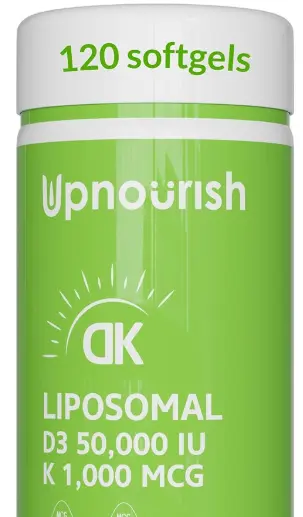
Founder of VitaminDWiki purchased Upnourish 50K IU Vitamin D + 1 mg of Vitamin K (3 forms)
My vitamin D test after 4 months of Liposomal Vitamin D plus Liposomal Glutathione.
My vitamin D level increased by 40% - to over 240 ng/mL