Dengue infection plausibly fought by Vitamin D, Vitamin E, etc.
A Systematic Review of Regional Practices and Nutraceutical Management Strategies in the treatment of Dengue Fever
Journal of Current Health Sciences. 2026, 6(1): 11-20 DOI:10.47679/jchs.2026145
MD. Hassan Sazu, Atikah Islam Chowdhury, Hrishik Iqbal, Md Abul Hassan, Joti Devi, Nikolaos Syrmos
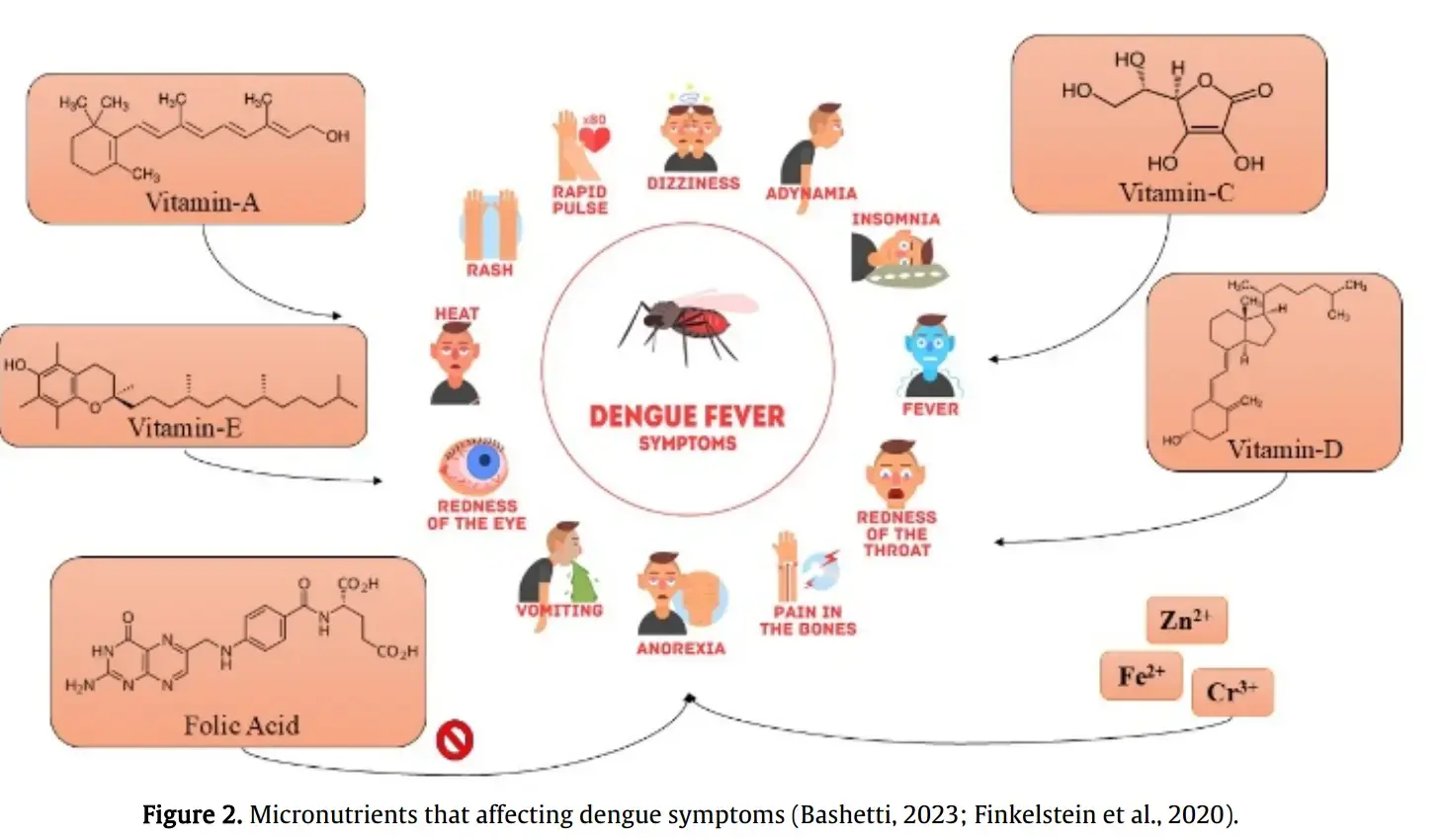
Dengue fever (DF). one of the common mosquito-borne viral diseases in humans, is still a serious public health problem throughout the world with special emphasis on tropical and subtropical areas. Though there are significant morbidity and mortality, treatments are mainly supportive; thus, additional approaches that may decrease disease severity are warranted. There is accumulating evidence that micronutrient status may potentially affect immune responses and clinical outcome in DF. thus supporting more general observations of nutritional modulation of susceptibility to. disease progression or outcome from infectious diseases. To assess this possibility, we considered the literature on micronutrient supplementation for DF patients. Vitamin C. Vitamin D. vitamin E and zinc were reported in some studies to potentially reduce recovery time, improve platelet trends and decrease severity of illness. In contrast, folic acid did not have any significant effects on clinical end points. However, as the available literature is fraught with obvious weaknesses such as small sample size, differing results between studies and an inadequate assessment of patients' nutritional status at the outset, any clinical recommendations are weakened.
Although vitamins D and E have shown promise in preliminary trials, the existing body of evidence is not clear and coherent. This review addresses the increasing attention on micronutrient interventions in DF as well as the necessity of good quality randomized controlled trials that provide better exposure to their therapeutic effects and evidence-based recommendations.
Related in VitaminDWiki
- Dengue Fever decimated by Vitamin D - many studies
- Dengue viral production decreased 1000X if activate Vitamin D Receptor (in lab)
- Dengue fever - 8X higher risk for getting worse if low vitamin D
- Dengue fever immune response and micronutrients (vitamins D, E, A, and Zinc, Iron, Chromium)
- Vitamin D and Liposomal Glutathione restore the immune system
- Viruses fought by liposomal Glutathione
- Risk of enveloped virus infection is increased 50 percent if poor Vitamin D Receptor - meta-analysis
Vitamin D can inhibit enveloped virus (e.g. Corona, Herpes, Bird Flu, Epstein, Hepatitis, RSV, etc.)
Examples of enveloped virus Coronavirus, Herpes simplex (cold sore), Shingles, Epstein-Barr, Hepatitis A & B & C, HMPV, Zika, HIV, Dengue, Yellow fever, Measles, Mumps, smallpox, Monkeypox, Ebola, rabies, influenza, West Nile, Valley Fever, Croup, Lasa Fever, Hemorrhagic Fever, H5N1 bird flu, Parkinson's Disease