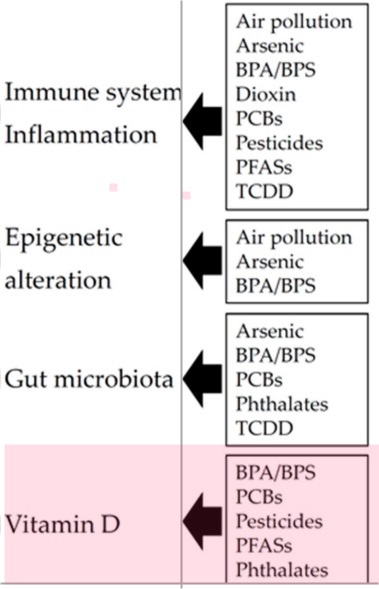
Chemicals that make plastics soft (plasticisers) are Endocrine Disrupters (bad for your health)
Plasticisers chemical mixture, vitamin status, and mortality in US adults: a prospective population-based cohort
Lancet Planet Health . 2025 Dec 10:101394. doi: 10.1016/j.lanplh.2025.101394
Yu Zhang 1, Qi Sun 2, Yi-Xin Wang 3, Yang Sun 4, Mariana F Fernández 5, Carmen Messerlian 6, Vicente Mustieles 7
In 📄 PDF: those exposed to plasticizers who also had low vitamin D had a 12.5 X higher risk of cardiovascular disease mortality
Study Summary - NoteGPT AI
This prospective cohort study investigates the association between exposure to a mixture of plasticiser chemicals—specifically eight phthalate metabolites and bisphenol A—and mortality risk in US adults. The research further explores the potential mitigating effects of vitamin status on these associations, using data from the National Health and Nutrition Examination Survey (NHANES) spanning 2005 to 2016. The study highlights both the significant public health burden posed by plasticiser exposure and a possible nutritional strategy to reduce associated mortality risks.
Background and Rationale
- Plastic pollution is a critical environmental and health concern worldwide, involving exposure to over 1500 chemicals leaching from plastics.
- Phthalates and phenols, widely used as plasticisers in consumer products (e.g., food packaging, cosmetics), are ubiquitous and recognized as endocrine disruptors.
- Prior research has linked exposure to individual plasticisers with increased risks of cardiometabolic diseases, cancer, and mortality, but no prior study has examined the impact of plasticiser mixtures on mortality.
- Human exposure occurs to complex mixtures of chemicals rather than single agents, which can interact synergistically or antagonistically.
- Experimental evidence suggests that certain vitamins (folate, vitamins D, B6, and B12) may mitigate adverse effects of phthalates and bisphenol A, but human population studies testing this hypothesis are lacking.
- Life expectancy in the US has declined since 2014, and environmental exposures such as plasticisers may contribute to this trend.
Study Objectives
- Assess the association between exposure to a mixture of bisphenol A and phthalate plasticisers and mortality risk (all-cause, cancer, cardiovascular disease).
- Estimate the attributable mortality burden of plasticiser mixture exposure in the US population.
- Explore the potential moderating role of serum vitamin biomarkers on the association between plasticiser exposure and mortality.
Methods
- Study Design: Prospective population-based cohort using NHANES 2005–16 data.
- Population: 8,378 non-pregnant US adults aged ≥20 years, free from cardiovascular disease and cancer at baseline.
- Exposure Assessment: Baseline urinary concentrations of eight phthalate metabolites and bisphenol A, selected a priori via comprehensive literature review of toxicological and epidemiological evidence.
- Plasticiser Mixture Composition:
| Chemical Group | Metabolites Included |
|---|---|
| Bisphenol A | Bisphenol A (BPA) |
| Monoethyl phthalate (MEP) | MEP |
| Monobutyl phthalate (MBP) | MBP |
| Mono-isobutyl phthalate (MiBP) | MiBP |
| Monobenzyl phthalate (MBzP) | MBzP |
| Di-2-ethylhexyl phthalate metabolites | MEHP, MEHHP, MEOHP, MECPP |
- Urinary concentrations were adjusted for creatinine using a novel standardized method.
- Vitamin Biomarkers: Serum 25-hydroxy-vitamin D (25[OH]D), red blood cell folate, vitamin B6, and vitamin B12.
- Outcome: Mortality status and causes of death (all-cause, cancer, cardiovascular disease) confirmed via National Death Index linkage and ICD coding.
- Covariates: Demographic, socioeconomic, lifestyle factors (age, sex, race/ethnicity, education, BMI, tobacco exposure, alcohol intake, diet quality, physical activity, income), season, survey cycle.
- Statistical Analysis: Quantile-based g-computation (QGC) for mixture effects; Cox proportional hazards models; effect modification by vitamin status; population attributable fractions (PAF); sensitivity analyses including stratification by sex and age.
Key Findings
Population Characteristics
| Characteristic | Value (Mean or %) |
|---|---|
| Sample size | 8,378 adults |
| Mean age | 44.4 years (SD 15.7) |
| Mean BMI | 28.8 kg/m² (SD 6.8) |
| Sex distribution | Male 51.1%; Female 48.9% |
| Race/Ethnicity | Non-Hispanic White 65.3%; Hispanic 15%; Non-Hispanic Black 12% |
| Tobacco exposure (serum cotinine ≥10 ng/mL) | 26.1% |
| Alcohol consumption ≥45 g/day | 5.2% |
| Mortality cases | 633 deaths over 71,127 person-years |
Associations Between Plasticiser Mixture Exposure and Mortality
| Mortality Outcome | Hazard Ratio (HR) per Tertile Increase (95% CI) |
|---|---|
| All-cause mortality | 1.35 (1.02–1.78) |
| Cancer mortality | 1.79 (1.06–3.03) |
| Cardiovascular disease mortality | 1.83 (1.04–3.22) |
| Accident mortality (negative control) | 0.96 (0.30–3.05), no association |
- No association found with accident mortality, supporting specificity.
- Among mixture components, MECPP had the largest contribution to all-cause and cardiovascular mortality associations; MEHHP contributed most to the cancer mortality association.
Population Attributable Fractions (PAF) and Estimated Deaths
| Risk Factor | PAF (%) (95% CI) | Estimated Annual Deaths Attributable |
|---|---|---|
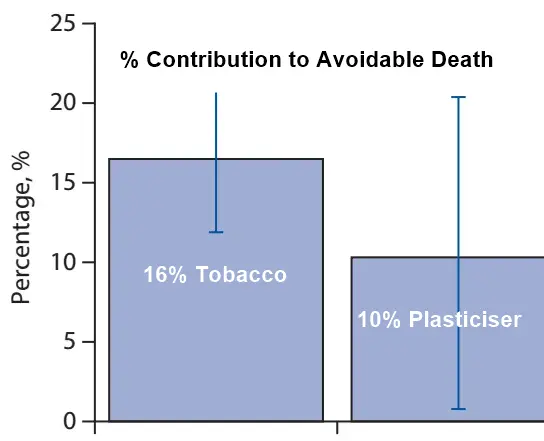
| Plasticiser mixture (per tertile increase) | 10.31% (0.78–20.38) | 256,471 |
| Tobacco exposure | 16.49% (11.89–21.10) | Not specified |
| Physical inactivity | 3.61% (0.06–7.19) | Not specified |
- The plasticiser mixture’s burden is lower than tobacco but exceeds physical inactivity in this dataset.
- Other lifestyle factors like obesity, excess alcohol, and poor diet were not significantly associated with mortality in this analysis.
Effect Modification by Vitamin Status (Among Non-Supplement Users)
| Vitamin Biomarker | Mortality Outcome | HR (Lowest Tertile) (95% CI) | HR (Upper Tertiles) | Interaction p-value |
|---|---|---|---|---|
| Serum Vitamin D | All-cause mortality | 2.09 (1.27–3.47) | No association | 0.0046 |
| Cancer mortality | 4.88 (1.70–13.96) | No association | 0.064 | |
| Cardiovascular mortality | 12.48 (3.26–47.75) | No association | <0.0001 | |
| Red blood cell folate | Cancer mortality | 4.06 (1.20–13.80) | No association | 0.18 |
| Serum Vitamin B12 | All-cause mortality | No association | 5.09 (1.19–21.71) | 0.14 |
| Serum Vitamin B6 | No significant modification | NA | NA | 0.41 |
| Alternative Healthy Eating Index (AHEI-2010) | No significant modification | NA | NA | 0.91 |
- Low serum vitamin D and folate levels significantly increased vulnerability to plasticiser mixture-related mortality.
- Vitamin B12 showed a synergistic effect with the mixture, enhancing all-cause mortality risk.
- No clear effect modification was seen for vitamin B6 or overall diet quality.
Sensitivity Analyses
- Results robust to alternative mixture grouping (e.g., summing di-2-ethylhexyl phthalate metabolites).
- Single-pollutant models showed consistent positive associations for several individual metabolites with mortality.
- Restricting analysis to participants aged ≥55 years and stratifying by sex maintained the pattern of associations.
- E-values calculated suggested that unmeasured confounding would need to be strong to nullify findings.
- Including participants who used vitamin supplements revealed more complex, non-linear modification patterns.
Interpretation and Discussion
- Exposure to a mixture of plastic-associated chemicals is associated with increased all-cause, cancer, and cardiovascular mortality risk in US adults.
- The findings underscore the importance of considering chemical mixtures rather than individual compounds in environmental health research.
- Vitamin D and folate appear to mitigate the harmful effects of plasticiser exposure, suggesting potential nutritional interventions.
- Elevated vitamin B12 levels may worsen outcomes, consistent with previous studies linking high B12 to increased mortality.
- Estimated mortality burden due to plasticiser exposure is substantial, with over 250,000 deaths annually attributable to a tertile increase in mixture exposure—comparable to or exceeding some well-known lifestyle risk factors.
- These results support regulatory actions to reduce plasticiser exposure, including chemical regulation on a mixture basis and policies limiting plastic production and use.
- The study contributes to evidence supporting the forthcoming UN Global Plastics Treaty’s goals on limiting plastic production and stricter chemical regulations.
Strengths and Limitations
Strengths:
- Large, nationally representative cohort with long follow-up.
- Use of an evidence-based chemical mixture informed by toxicological and epidemiological weight-of-evidence.
- Advanced methods for urinary creatinine adjustment and missing data imputation.
- Assessment of effect modification by multiple vitamin biomarkers with and without supplement users.
- Multiple sensitivity analyses confirming robustness.
Limitations:
- Single baseline urinary measurement of short-lived plasticisers may not reflect long-term exposure but likely biases results toward the null.
- Potential for residual confounding despite adjustment for multiple covariates.
- Vitamin supplement use could complicate interpretation of effect modification.
- Cause-specific mortality analyses excluded some recent data cycles due to low case numbers.
Conclusions
- Human exposure to mixtures of plastic-associated chemicals contributes substantially to mortality risk from all causes, cancer, and cardiovascular diseases in the US population.
- Optimizing vitamin D and folate status may mitigate these risks, highlighting a potential avenue for nutritional intervention alongside exposure reduction strategies.
- The findings emphasize the urgent need for public health policies to reduce plasticiser exposure and regulate chemical mixtures, consistent with global environmental health initiatives.
📄 What Are Plasticizers? Perplexity AI
📄 Are Plasticizers a Health Problem - Perplexity AI
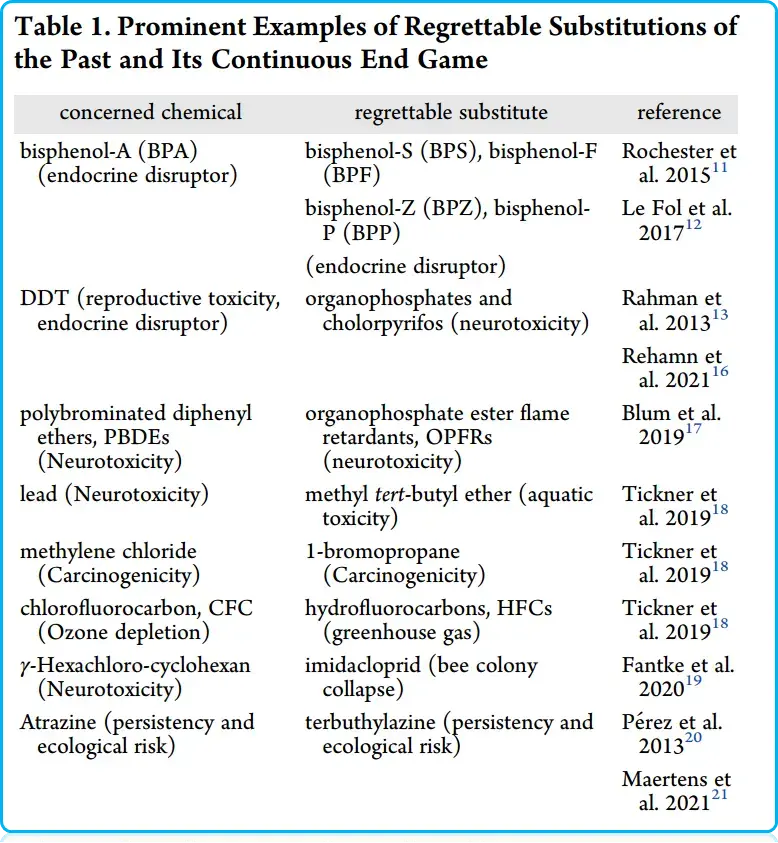
Alternative Plasticizers As Emerging Global Environmental and Health Threat: Another Regrettable Substitution? Jan 2022
📄 alternative-plasticizers.pdf
Related in VitaminDWiki
- Both Microplastics and Ultra-processed foods decrease Glutathione
- Plastics, BPA, PCB and Vitamin D deficiency
- DDT and other pesticides decrease vitamin D
BPA is a possible cause of obesity epidemic - Dr. Greger June 2019
Off topic: Plastics and BPA are getting into seafood and your bloodstream – Dr. Greger Spring 2019
Microplastics causing problems in humans, etc. (Vitamin D can help) - many studies
PFAS (forever chemicals) reduce Vitamin D and VDR, cause health problems - many studies
PCBs increased the chance of being Vitamin D deficient by 3 percent – May 2013
Interactions with Vitamin D category listing has items
Endocrine Disrupting Chemicals and Vitamin D (T1 Diabetes in this case) - April 2020