
Breastfed infants have low levels of Iron, Vitamin B-12, and Vitamin D (Turkey)
Assessment of Micronutrient Deficiencies in Exclusively Breastfed Infants: A Cross-Sectional Study
Children (Basel) 2025 Dec 17;12(12):1702. doi: 10.3390/children12121702
Burçe Emine Dörtkardeşler 1, Merve Tosyali 2, Feyza Koç 2, Oya
 Background/Objectives: Micronutrient deficiencies during infancy remain a major public health concern, particularly in developing countries. Although exclusive breastfeeding is the optimal source of nutrition for infants up to six months of age, limited studies have simultaneously evaluated multiple micronutrient statuses in this population. This study aimed to assess the levels of vitamin D, iron, and other micronutrients-including vitamins A, E, B12, folic acid, zinc, and copper-in exclusively breastfed infants.
Methods: This cross-sectional study was conducted between 2022 and 2024 at a university well-child clinic in İzmir, Turkey. A total of 132 healthy, exclusively breastfed six-month-old infants were included. Blood samples were analyzed for hemogram, serum iron, ferritin, 25(OH)D, vitamins A, E, B12, folic acid, zinc, and copper. Sociodemographic data and supplementation practices were recorded. Deficiency cut-offs were defined according to WHO and national guidelines.
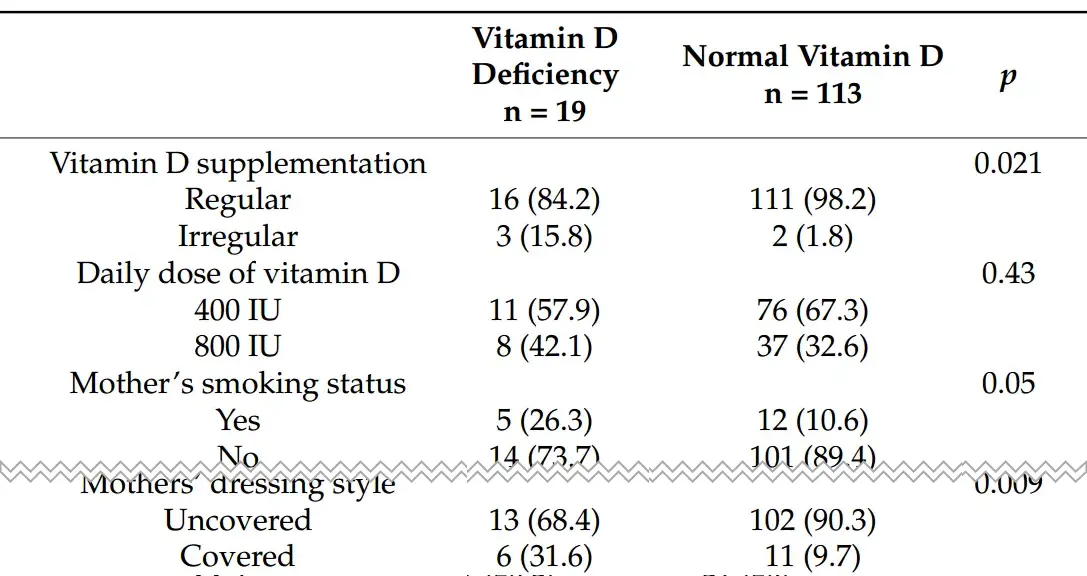
Results: Among the infants, 40.2% had iron deficiency or anemia, and 14.4% had vitamin D deficiency. Vitamin B12, A, E, zinc, and copper deficiencies were identified in 29.5%, 2.4%, 4%, 7.4%, and 6.6% of infants, respectively. Regular vitamin D and iron supplementation were significantly associated with lower deficiency rates (p < 0.05). Maternal education level, dressing style, and smoking status were significantly related to infant vitamin D status.
Conclusions: Despite national supplementation programs, iron and vitamin D deficiencies remain common in exclusively breastfed infants. Routine and regular supplementation should be emphasized, and subclinical deficiencies-particularly vitamin B12-should be considered. Broader studies evaluating maternal nutritional factors and socioeconomic determinants are warranted to guide preventive strategies.