
Vitamin D deficient – 1 in 3 of young Australians have less than 20 ng
Prevalence and predictors of vitamin D deficiency in a nationally representative sample of Australian adolescents and young adults
European Journal of Clinical Nutrition (2021)
Kahlea Horton-French, Eleanor Dunlop, Robyn M. Lucas, Gavin Pereira & Lucinda J. Black
 Australia - low vitamin D winter and summer - 2014 has the following map
 * Australians paying for most Vitamin D tests, 40 percent deficient in winter - March 2019
* Countries which have increased Vitamin D have decreased bone problems (Japan, Australia)
* Food allergies 6 times higher in South Australia - 2009
* 50,000 IU vitamin D routinely given monthly in New Zealand senior homes since 2011– Dec 2016
* Australians paying for most Vitamin D tests, 40 percent deficient in winter - March 2019
* Countries which have increased Vitamin D have decreased bone problems (Japan, Australia)
* Food allergies 6 times higher in South Australia - 2009
* 50,000 IU vitamin D routinely given monthly in New Zealand senior homes since 2011– Dec 2016
📄 Download the PDF from VitaminDWiki
Annual averages - much worse in winter

Background/Objectives
Vitamin D deficiency is a public health concern worldwide. Maintaining vitamin D sufficiency during growth periods is essential. We aimed to determine the prevalence and predictors of vitamin D deficiency in Australian adolescents and young adults.
Subject/Methods
We used data from adolescents (12–17 years, n = 692) and young adults (18–24 years, n = 400) who participated in the nationally representative 2011–2013 Australian Health Survey. Serum 25-hydroxyvitamin D concentrations were measured using a method certified to international standards, with prevalence reported for <50 (vitamin D deficiency), 50–<75, ≥75 and >125 nmol/L. Independent predictors of vitamin D deficiency were determined using a survey-weighted Poisson regression model.
Results
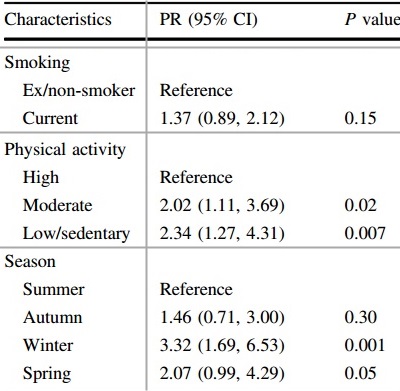
Overall, 17% of adolescents and 32% of young adults were vitamin D deficient. In models adjusted for sex, age, region of birth, socioeconomic status, BMI and season (and education, smoking status and physical activity in young adults only), the prevalence ratio (PR) for vitamin D deficiency was more than double in participants born outside Australia (adolescents: PR 2.46; 95% confidence interval (CI) = 1.59, 3.81; young adults: PR 2.12; 95% CI = 1.46, 3.07), and also varied by season (adolescents: spring vs summer PR 2.47; 95% CI = 1.22, 5.01 and winter vs summer PR 2.01; 95% CI = 1.03, 3.92; young adults: winter vs summer; PR 3.32 ; 95% CI = 1.69, 6.53). Other predictors of vitamin D deficiency were overweight compared with healthy weight (adolescents) and lower physical activity (young adults).
Conclusions
Strategies based on safe sun exposure and dietary approaches are needed to achieve and maintain adequate vitamin D status, particularly in young adults.