The Healing Power of Bentonite Clay
The Healing Power of Bentonite Clay -Presented 2025 to Weston A. Price Foundation
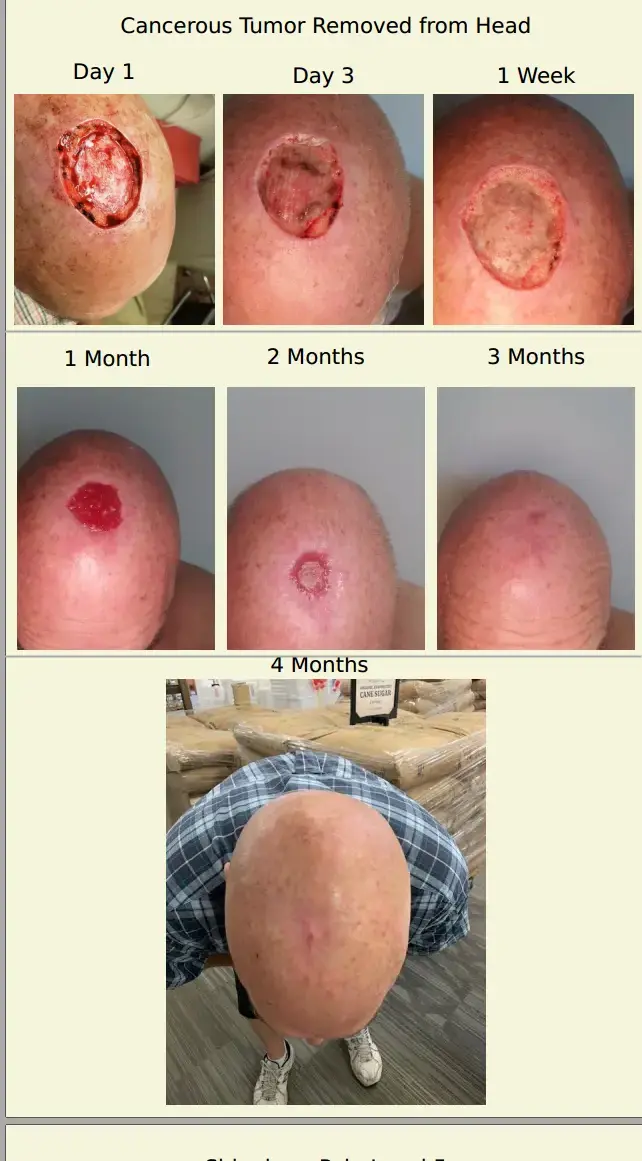
A few of the images
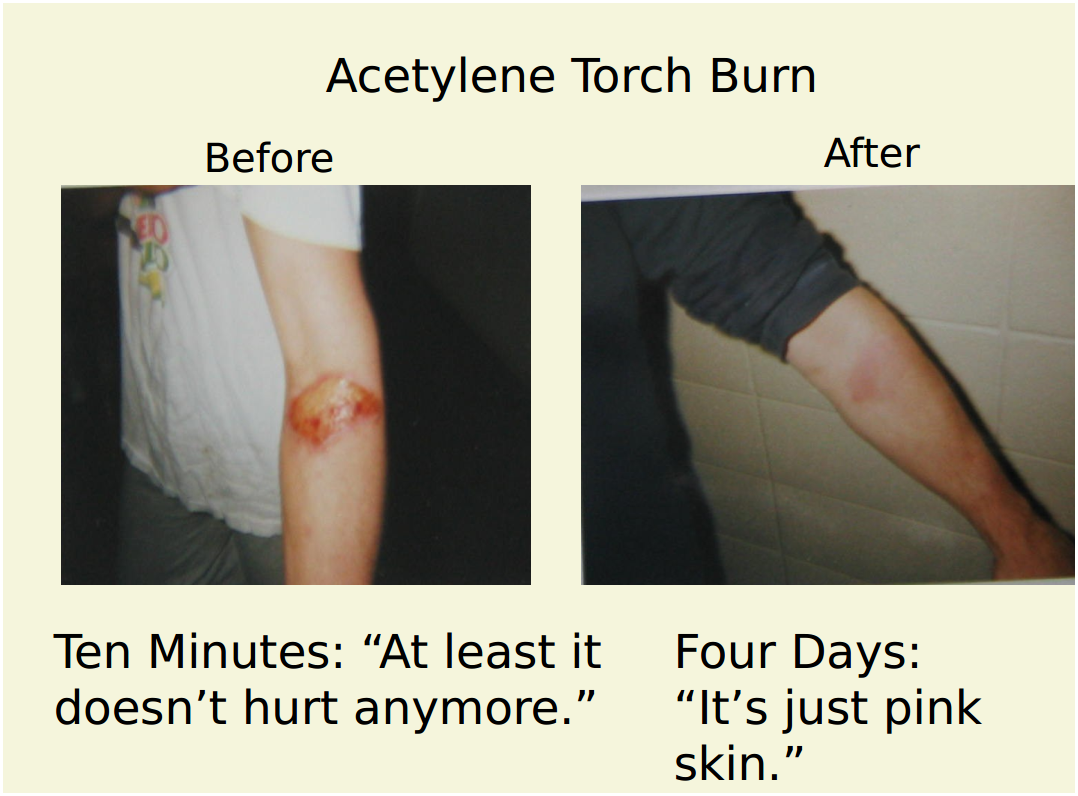
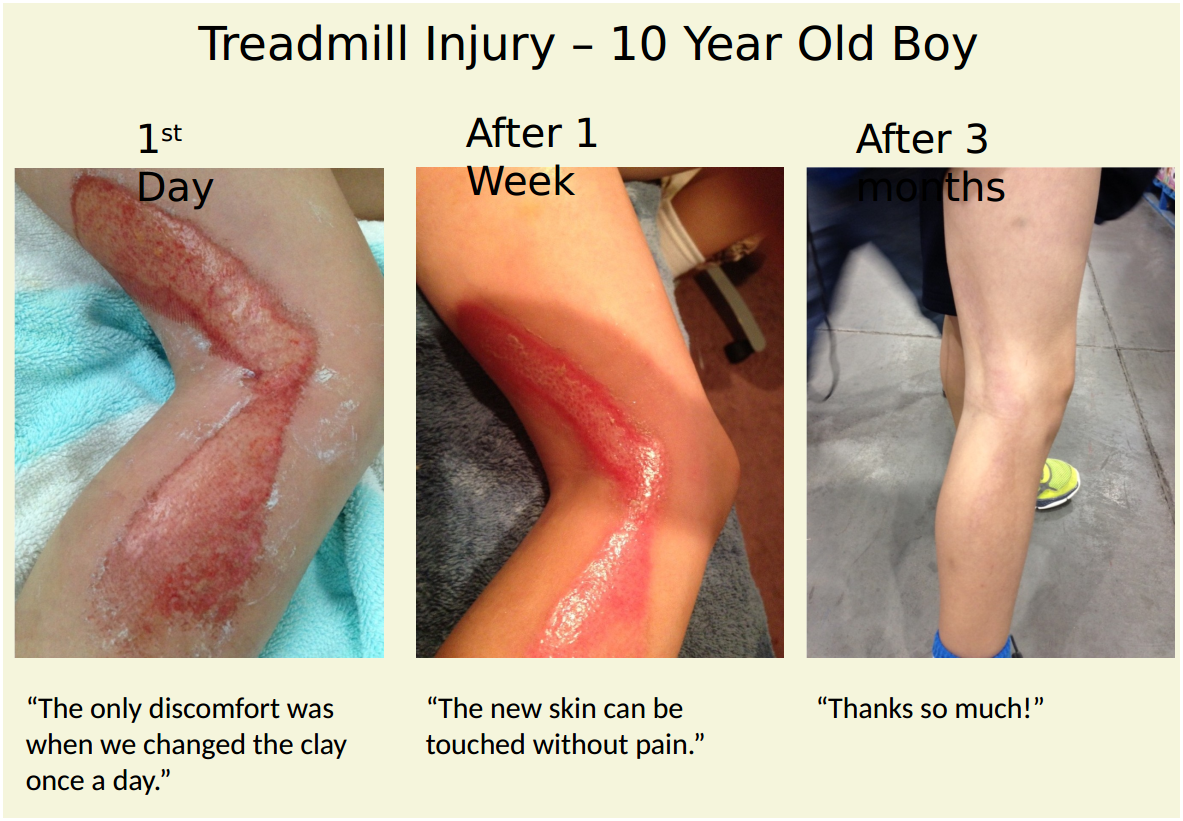
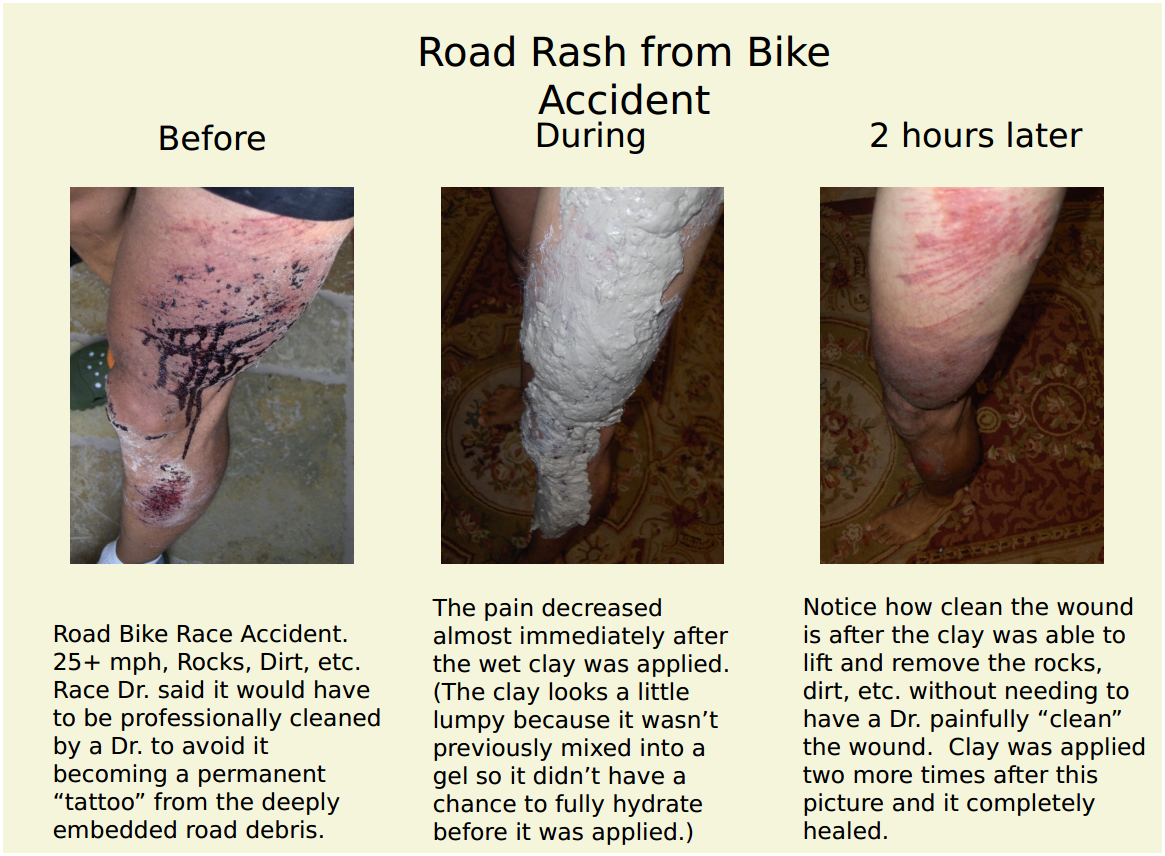 Fo
Fo
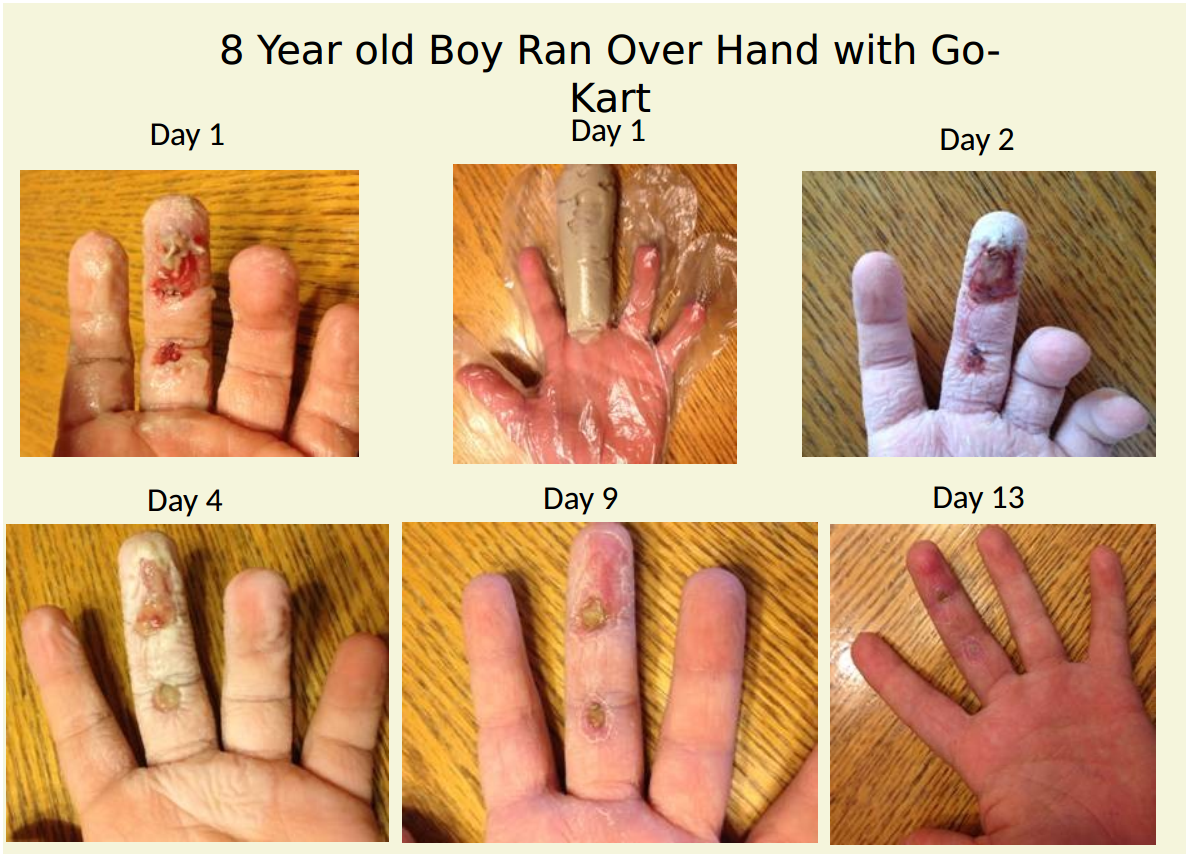 Founder of vitaminDWiki has similar road rash repair
Bentonite Clay: Ancient Remedy Meets Modern Medicine - Dr. Yoho Substack
Includes audio interview of Neal Bosshardt
Sections
Origins and Nature of Bentonite Clay
Historical Use Across Cultures
The Science Behind Bentonite’s Effects
Oral Ingestion: Internal Detoxification
Topical Use: Skin Care and Healing
Wound Healing and Burns
Foot Baths and Detoxification
Musculoskeletal Benefits
Safety Concerns and Hazards
Usage Guidelines
Conclusion
Yoho Synthesis
Alternative medicine still seems limitless to me. I doubt this one has any downsides; it is cheap, and since I have heavy metal toxicity, I will try it. The reports of improvement in constipation are encouraging. I will let you know if I improve. This is what I bought and why:
For oral use, food grade: Redmond Clay is a safe, reasonable and economical option. HERE is a product recommended for tooth brushing that has added xylitol, a healthy sugar. Other Redmond Bentonite products such as THIS one can be purchased in bulk.
For bath soaks: Plant Guru Sodium Bentonite Clay - Around $35-40 for 10 pounds, marketed “for external use only.” This requires several cups per bath, and if that is all you do, you don’t need food-grade quality, which saves money
Two of the many Bentonite Clay studies in Google Scholar
- Bentonite Clay as a Natural Remedy: A Brief Review - 2017 PDF
- Study of Adsorption Properties of Bentonite Clay - 2021 PDF
Related in VitaminDWiki
Burns, ulcers, and wounds healed by Vitamin D - many studies
Founder of ViaminDWiki suggests adding vitamin D to Bentonite clay
- Either Vitamin D powder or add nanoemulsion Vitamin D to wet clay
Health Properties of Bentonite Clay Through the Ages
Bentonite clay represents one of humanity's oldest therapeutic substances, with a documented history spanning over 4,500 years. This volcanic ash-derived mineral has served cultures worldwide as a versatile healing agent, and modern science is now confirming many of its traditional applications.
Ancient Origins and Early Medical Use
The earliest recorded use of medicinal clay appears on Mesopotamian clay tablets dating to approximately 2500 BC. Ancient Egyptians employed clay extensively, with Pharaohs' physicians using it as an anti-inflammatory agent and antiseptic. The material was also used in mummification processes, and Cleopatra reportedly used clays to preserve her complexion.[1][2]
The Ebers Papyrus from around 1550 BC, an important medical text from ancient Egypt containing traditional advice going back many centuries earlier, describes the use of ochre for various ailments, including intestinal problems.[1]
Classical Antiquity and Greco-Roman Medicine
During classical times, the most famous medicinal clay was Lemnian Earth, extracted from the island of Lemnos. This clay was shaped into tablets with distinctive seals stamped into them, giving rise to its Latin name terra sigillata, meaning "sealed earth". The earliest mention of its medicinal application appears in Dioscorides' De Materia Medica, dated to approximately 50-70 AD.[1]
Galen, one of the most influential physicians in ancient medicine, recorded numerous cases of internal and external uses of this clay in his treatise on clay therapy, using it to cure injuries, festering wounds, and inflammations. Pliny the Elder enthusiastically advocated for medicinal clay, claiming it could cure conditions ranging from menstrual disorders to snake bites. Clay was also prescribed by Soranus of Ephesus, a Roman obstetrician, gynecologist, and pediatrician who practiced medicine around 100-140 AD.[2][3]
Lemnian Earth remained in continuous use from classical antiquity through the 19th century, still being listed in an important pharmacopoeia in 1848.[2][1]
Traditional Uses Across Cultures
Clay consumption, known as geophagy, has been observed throughout human history across various cultures. Aristotle documented the intentional eating of clay for therapeutic and religious reasons around 384-322 BC.[4]
Native American tribes called bentonite "Ee-Wah-Kee," meaning "The-Mud-That-Heals". The Amargosians (predecessors to the Aztecs), Aborigines, and natives of Mexico and South America all recognized the healing properties of clays, knowing that the mud not only drew toxic material out of the body when taken internally but also reduced pain and infection in open wounds on both humans and animals.[5]
In his influential book Nutrition and Physical Degeneration, Dr. Weston A. Price described several native cultures—including those in the Andes, Central Africa, and Australia—that consumed clay in various ways. Many carried balls of dried clay in their bags and dissolved small amounts in water to drink with meals, thereby preventing poisoning from foodborne toxins.[4]
Persian medicine also practiced clay therapy extensively. Avicenna (980-1037 CE), known as the "Prince of Doctors," wrote extensively about clay treatments in his many writings. Ibn al-Baitar (1197-1248), a Muslim scholar, discussed eight different types of medicinal earth in his pharmacology book.[4]
Mechanism of Action
Modern science has elucidated how bentonite clay works at the molecular level. Bentonite clay, primarily composed of montmorillonite, has negatively charged molecules. Most toxins and heavy metals have positively charged molecules, allowing the two to bind together easily through a process called adsorption.[6][7]
When bentonite clay comes into contact with water or bodily fluids, it undergoes hydration, transforming into a gel-like material. This increases its surface area and enhances its capacity to bind toxins. The clay's layered structure and the presence of exchangeable ions contribute to its adsorption capability. After binding with toxins, bentonite clay creates a compound too large for the body to absorb, preventing toxins from circulating and potentially damaging organs and tissues.[7]
Detoxification and Toxin Binding
Aflatoxin Binding: One of the most well-researched applications of bentonite clay is its ability to bind aflatoxins—toxic compounds produced by certain molds found in improperly stored food products. Calcium bentonite clay has been shown to tightly bind aflatoxins in vitro, significantly reduce mortality and morbidity in animals, and decrease molecular biomarkers of aflatoxin exposure in humans and animals.[8]
The mechanism involves sorption of aflatoxin onto active interlayer surfaces of the bentonite, resulting in reduced concentration of unbound toxin in the gastrointestinal tract and decreased bioavailability and toxicity. Thermodynamic studies have shown that the reaction is spontaneous and involves chemisorption of aflatoxins to bentonite with heats of sorption greater than -40 kJ/mol, indicating tight binding. Research has identified a high-capacity sodium bentonite (SB-E) with enhanced aflatoxin sorption efficacy, capable of binding 0.6 moles of aflatoxin B₁ per kilogram of clay at pH 2.[8]
Heavy Metal Detoxification: Bentonite clay efficiently binds to heavy metals including lead, mercury, cadmium, and arsenic within the body, helping them leave through excretion. The clay's negative electrical charge attracts positively charged pollutants, impurities, and heavy metals, blocking their reabsorption into the body. However, it's important to note that some bentonite clay products themselves may contain elevated levels of arsenic and lead, so sourcing from reputable suppliers is crucial.[9][10][7]
Antibacterial and Antimicrobial Properties
Modern research has confirmed bentonite clay's antibacterial properties. A study published in the Journal of Antimicrobial Chemotherapy found that specific mineral products, including bentonite clay, have intrinsic, heat-stable antibacterial properties that could provide an inexpensive treatment against numerous human bacterial infections.[6]
Research has shown that bentonite clay can bind to bovine rotavirus and bovine coronavirus—two major viruses that contribute to gastroenteritis. ZnO/bentonite nanocomposites have demonstrated remarkable effectiveness against multidrug-resistant Escherichia coli, with studies showing a five-log reduction in bacterial population. The antimicrobial properties extend to Candida species as well, with modified bentonite showing strong activity against Candida lipolytica.[11][12][13][6][2]
Digestive Health Applications
Irritable Bowel Syndrome (IBS): Clinical research has shown that 3 grams of bentonite taken three times daily for eight weeks effectively helped regulate bowel habits in constipation-predominant IBS. Clay minerals are considered promising drugs in the treatment of IBS by enhancing the thickness of the mucus barrier, restoring colon movement function and feces consistency, and alleviating symptoms. Bentonite also has a positive effect on flatulence and abdominal distension.[13][14][15]
Digestive Protection: By removing toxins, chemicals, and heavy metals from the gut, bentonite clay helps promote digestion. The clay can provide active protection against disturbances during gastrointestinal transit. In animal studies, when T2 toxin was incubated with smectite for 24 hours before administration, it prevented the acceleration of gastric emptying and small intestinal transit that would otherwise occur.[15][6]
Nutrient Absorption: Bentonite clay may help the gut absorb more nutrients by increasing intestinal flora. Research indicates that intragastric administration of bentonite could lead to hyperproduction of colonic yeast micro-flora.[14]
Skin Health and Wound Healing
Burn Wound Treatment: Modern research has identified significant therapeutic effects of bentonite in burn wounds. A study using Yucatan minipigs demonstrated that a bentonite complex improved skin regeneration by inducing collagen synthesis, cell proliferation, and angiogenesis. The complex also significantly inhibited expression of inflammatory cytokines and regulated COX-2 signaling in both keratinocytes and macrophage cell lines.[16][17][18]
Acne and Sebum Control: Research shows that bentonite clay absorbs sebum, the oily substance that contributes to clogged pores and acne. Studies indicate that bentonite clay can significantly reduce acne lesions and improve skin texture. Clinical studies have demonstrated that masks containing bentonite clay can significantly reduce sebum production, decrease the number of open and closed comedones, and improve overall skin texture.[19][20][21]
Dermatitis and Inflammatory Skin Conditions: A lotion containing quaternium-18 bentonite has shown potential to reduce symptoms of dermatitis caused by poison ivy and poison oak. Applying bentonite to diaper rash was found to be more effective than traditional calendula treatment. Studies show bentonite clay can ease dermatitis caused by eczema, allergic skin reactions, and various other causes.[22][19]
Anti-Inflammatory Effects
Bentonite clay demonstrates significant anti-inflammatory properties both internally and externally. When applied topically, it can help soothe irritated skin and reduce swelling. Internally, it may assist in alleviating inflammatory conditions like arthritis or digestive inflammation.[23]
The anti-inflammatory activity has been documented in scientific literature, with bentonite clay showing the ability to regulate inflammatory signaling pathways. Research has shown that bentonite clay significantly regulated COX-2 signaling and inhibited expression of inflammatory cytokines including IL-1β, COX-2, PTGES, TNFα, IL-6, CCL2, and CXCL2.[24][18]
Immune System Support
Bentonite has been shown to modulate the immune response of the body. Studies indicate that particles of bentonite inhibit lipopolysaccharide- or concanavalin A-induced red blood cell proliferation and antibody response in vitro. Regular use of bentonite clay can support the immune system by reducing the body's toxic load, allowing it to function more effectively and leading to a more resilient immune response.[25][26][23]
Radiation Protection
Recent research has identified bentonite clay's potential for radiation shielding applications. Studies show that bentonite clay is the most suitable among various clays for radiation shielding at low energies (below 100 keV). The radiation protection efficiency values at 0.060 MeV are equal to 97.982% for bentonite clay, revealing that it can absorb almost all incoming photons at this energy. This makes it a potentially valuable eco-friendly, low-cost, and non-toxic material for use as physical radiation shielding.[27][28]
pH Balance and Alkalizing Effect
Maintaining a balanced pH level in the body is crucial for overall health, and bentonite clay has been shown to have an alkalizing effect. By neutralizing excess acidity, bentonite clay can help prevent conditions associated with high acidity, such as inflammation and certain chronic diseases. The clay is naturally rich in minerals including calcium, magnesium, silica, potassium, and sodium, which are essential for healthy pH balance.[23][25][7]
Modern Scientific Validation
A comprehensive review published in the Iranian Journal of Public Health examined approximately 100 scientific articles from more than 2,500 articles on bentonite clay's effects on body function. The review concluded that bentonite holds properties to be regarded as a therapy in a broad spectrum of disorders, though it recommended more research on bentonite clay and its impacts on body function. [26 - see Google Scholar above]
This ancient remedy has successfully made the transition from traditional medicine to evidence-based modern therapeutics, with thousands of years of human use now supported by growing scientific validation. Bentonite clay connects ancient wisdom with modern medicine, offering antibacterial properties, wound healing abilities, detoxification benefits, and therapeutic potential for conditions ranging from acne to heavy metal poisoning.[4]
1 2 3 4 5 6 7 8 9 10 11 12 13 14 15 16 17 18 19 20 21 22 23 24 25 26 27 28 29 30 31 32 33 34 35 36 37 38 39 40 41 42 43 44 45 46 47 48 49 50 51 52 53 54 55 56 57 58 59 60 61 62 63 64 65 66 67